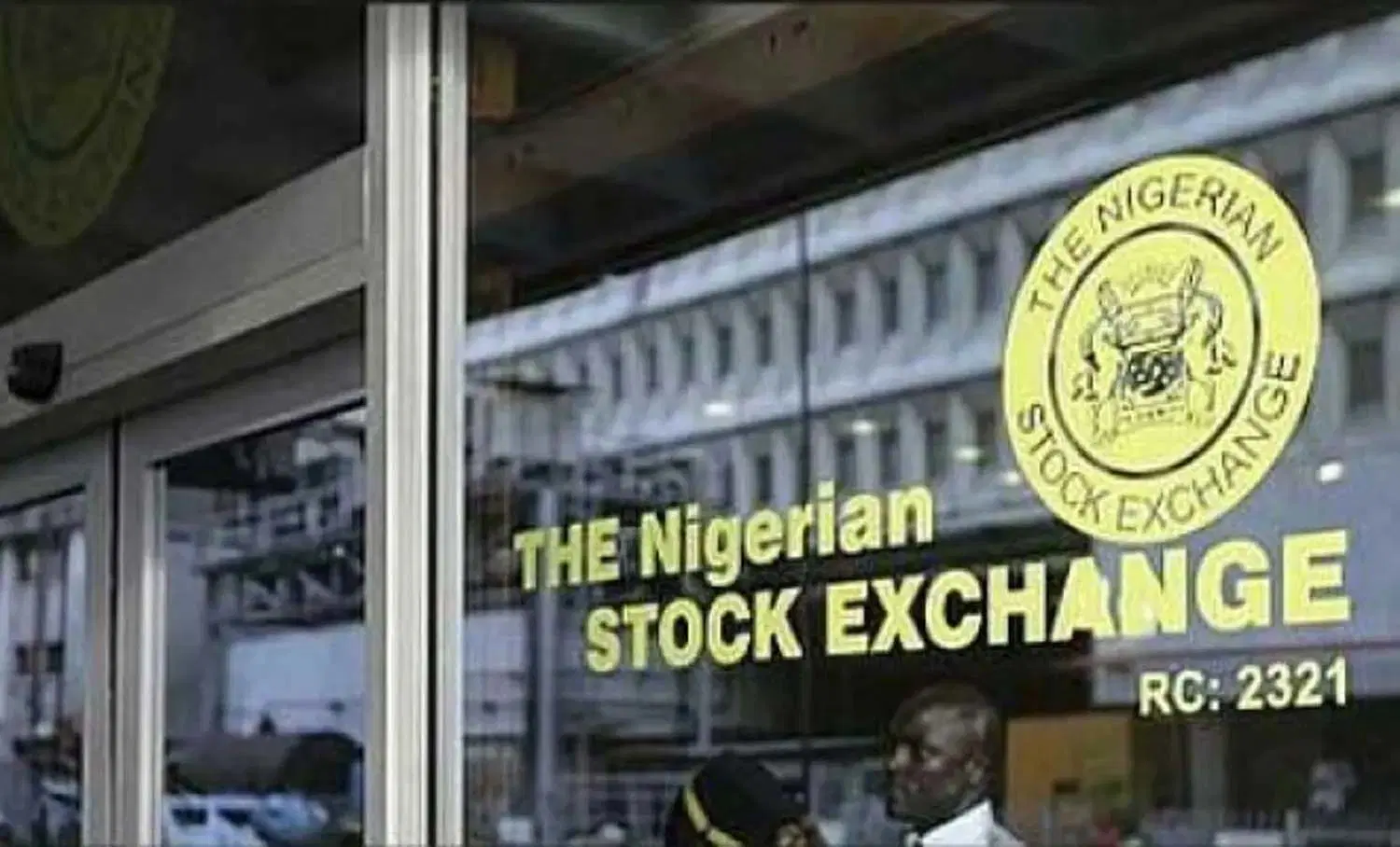
The Nigerian stock market encountered a rough patch in early December 2024. Investors witnessed a significant drop of 185 billion nairas (approximately $110.1 million) in market value over just one week.
This decline reflected broader economic issues plaguing the country. The All-Share Index fell by 0.33%, settling at 97,506.87 points. Market capitalization also took a hit, decreasing by 0.31% to 59.11 trillion nairas (approximately $35.2 billion).
These figures paint a picture of investor caution in uncertain times. Despite the overall downturn, trading activity saw a notable uptick.
The total volume of shares traded surged by 63.6% to 3.19 billion. The value of these trades also rose, increasing by 52.9% to 54.85 billion nairas (approximately $32.7 million).
The financial services sector emerged as the frontrunner in trading activity. It accounted for nearly half of both total trading volume and value. This dominance highlights the sector’s crucial role in Nigeria’s economy.
Different market sectors showed varied performance. The oil and gas index suffered the most, dropping by 1.93%. Consumer goods and banking indices also declined slightly.
Nigeria’s Economic Challenges
However, insurance and industrial goods indices managed to eke out small gains. Individual stocks experienced significant movements. SUNU Assurance led the gainers, with its share price jumping by 23%.
On the flip side, AUSTINLAZ saw the biggest drop, with its value plummeting by 26%. These market fluctuations occurred against a backdrop of serious economic challenges.
Inflation in Nigeria reached a staggering 33.87% in October 2024. The central bank responded by raising interest rates to 27.50% in November.
Currency depreciation added to the market’s woes. The naira lost 12% of its value between June and September 2024. This decline deterred foreign investors, leading to a drop in portfolio investments.
Yet, amidst these challenges, many companies reported strong earnings. Several banks posted triple-digit growth in net earnings for the first nine months of 2024. BUA Foods stood out with an impressive 3,783% year-on-year increase in net profit.
Looking ahead, analysts predict mixed sentiment as 2024 draws to a close. Some anticipate a potential “Santa rally” driven by increased liquidity. Others worry about the impact of a possible US recession and global market tensions.
The proposed banking sector recapitalization could breathe new life into the market in 2025. This move might restore investor confidence and drive growth in the financial sector.
In conclusion, Nigeria’s stock market faces significant challenges. However, it also shows resilience and potential for growth. Investors and analysts will closely monitor economic indicators and policy decisions in the coming months.
More: Nigeria news in English, every day from The Rio Times.
This article was produced by The Rio Times’ automated newsroom system. How we use AI · Report an error · Editorial responsibility: Matthias Camenzind, Editor-in-Chief
Part of our ongoing coverage
Africa: The New Scramble — the great-power contest over the continent.