As France steps back from the Sahel, Turkey, Iran, and Morocco step up, eager to fill the void.
These countries are reaching out to Mali, Burkina Faso, and Niger, offering military and development aid.
With recent coups and ongoing jihadist threats, the Sahel nations are in dire need of support.
Turkey’s drones and proposed trade routes, along with Morocco and Iran’s development projects, are enticing offers for these struggling states.
France’s departure has left a gap, partly due to criticism over its military support and human rights concerns.
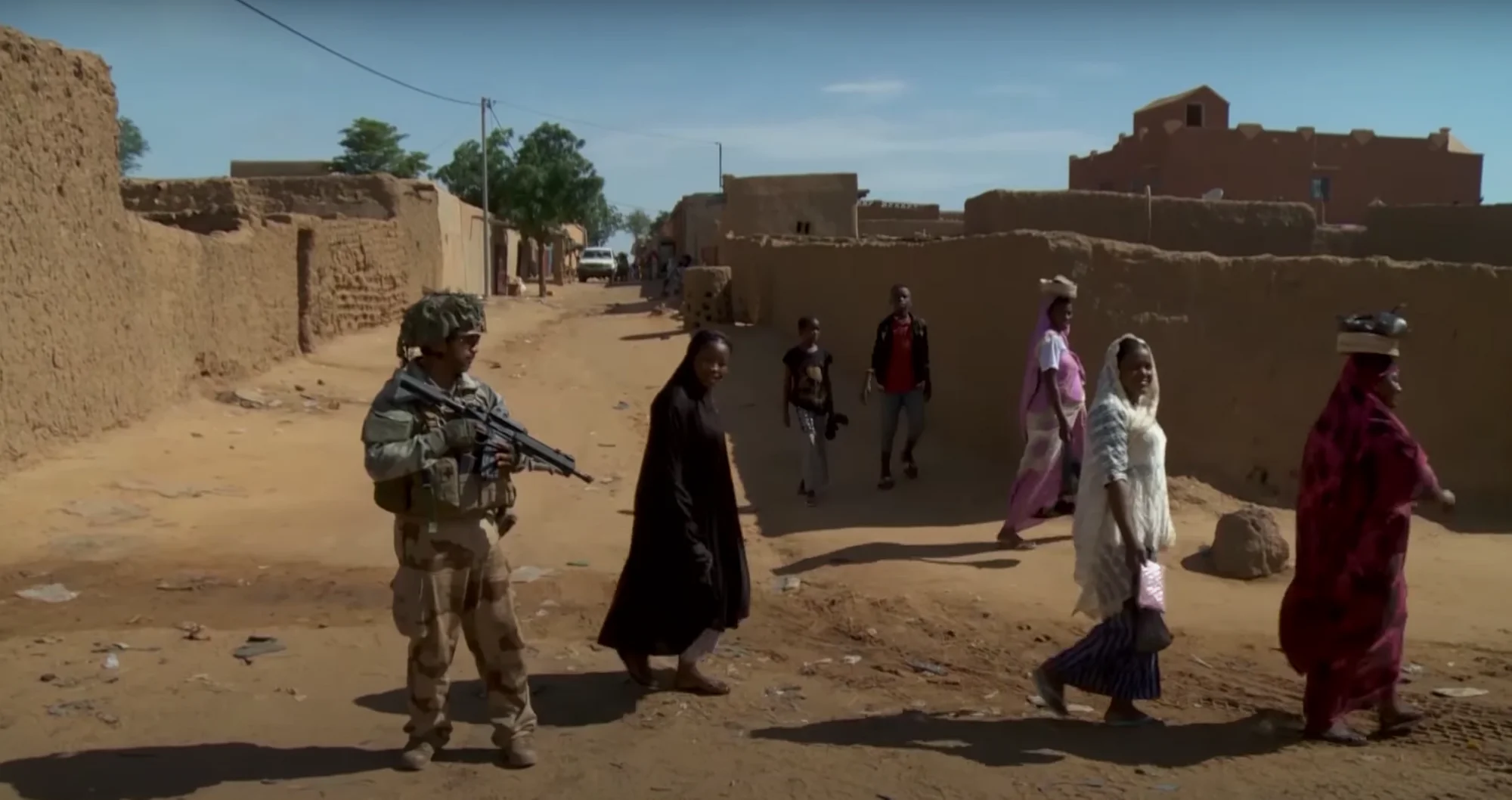
In addition, the vacuum has grown as Russian forces have become more involved in the region.
Now, Turkey, Iran, and Morocco see a chance to become key players by providing much-needed assistance and reducing the Sahel’s reliance on outside powers.
Turkey is making bold moves with its combat drones and plans for a trade corridor from the Gulf of Guinea to Algeria.
Its goal is to be seen as a dependable ally in the Sahel, strengthening ties through shared history and faith.
Morocco is sharing its infrastructure expertise with the Sahel’s landlocked countries.
This effort aims to connect them to the Atlantic and integrate them into regional networks, showcasing Morocco’s role as a major development partner.
Iran is pitching in with energy, urban planning, and education projects, including building universities.
It seeks to spread its influence through cooperation agreements, though financial and competitive challenges may limit its impact.
The Sahel is now a battleground for influence among Turkey, Iran, and Morocco. Each country is pushing its agenda, hoping to replace France as a key partner.
In short, their involvement marks a major shift in the Sahel’s geopolitical dynamics, as they offer new options for dealing with the region’s challenges.
More: Morocco news in English, every day from The Rio Times.
This article was produced by The Rio Times’ automated newsroom system. How we use AI · Report an error · Editorial responsibility: Matthias Camenzind, Editor-in-Chief
Part of our ongoing coverage
Africa: The New Scramble — the great-power contest over the continent.