Navigating Turmoil: Myanmar’s Real Estate Exodus to Thailand
Political upheaval and economic distress in Myanmar have prompted its citizens to pivot their investments towards Thai real estate.
Recently, Myanmar’s military regime clamped down on individuals for unapproved property dealings in Thailand and unauthorized foreign bank transactions.
These measures aim to stabilize the plummeting kyat and restrict capital outflows.
Last week, Myanmar authorities detained six people, three of whom are executives at Yangon’s Min Thu Company. They were involved in illicit real estate transactions in Thailand.
This crackdown comes as the kyat plunged to a record low of 5,000 against the dollar, down sharply from its 2019 value.
At the black market, the rate even hit 4,500 per dollar, with the central bank setting it at 2,100.
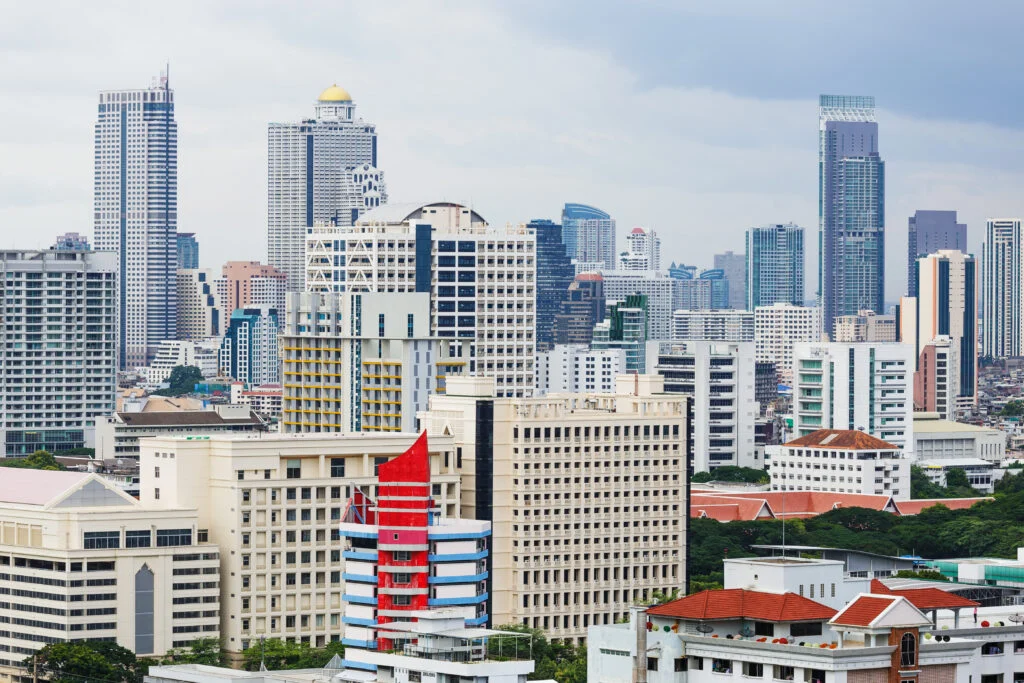
Despite the crackdown, Myanmar nationals are significant players in Thailand’s condominium market.
They invested 2.2 billion baht ($60 million) in the first quarter, trailing only behind the Chinese. In 2023, their total investment hit 3.7 billion baht, with Bangkok and Phuket as top destinations.
Their investments reflect not only a response to domestic economic crises but also the perceived safety of overseas property during volatile times.
Anxiety Among Real Estate Agents and Buyers
These actions have stirred anxiety among real estate agents and buyers. For instance, Ko Tun, a Chiang Mai agent, criticizes these arrests, seeing them as harmful to business and investor confidence.
Additionally, Myanmar buyers often underreport property values to mitigate taxes, complicating financial transactions amid strict currency controls.
Meanwhile, Thailand is boosting its regional connectivity by linking its railways with Laos and China. This move aims to enhance trade and tourism, making it easier and faster to transport goods.
Notably, perishables like durian can now reach China in just 15 hours, a significant improvement over traditional road transport.
As Thailand draws investments, particularly from Myanmar nationals seeking stability, it underscores shifts in Southeast Asia’s economic and political landscape.
This scenario highlights the ongoing interplay between national crises and international investment strategies, shaping the future of regional economics and security.
More: Ethiopia news in English, every day from The Rio Times.
This article was produced by The Rio Times’ automated newsroom system. How we use AI · Report an error
Read More from The Rio Times