Navigating Tanzania’s Economic Landscape in 2024
For four decades, Tanzania has shown strong macroeconomic performance. Structural reforms and public infrastructure investments have driven this growth.
Between 2000 and 2019, the country’s real GDP grew at an average rate of 6.5%. This growth enabled Tanzania to achieve lower middle-income status by July 2020.
However, about a quarter of the population still lives in poverty. The economic structure contributes to this issue.
Agriculture employs two-thirds of the workforce but contributes only about a quarter of the GDP. Sustainable growth and poverty reduction depend on transforming the economy.
People with low income, especially in rural areas, need to participate in and benefit from economic growth.
The insights presented are drawn from the Tanzania Focus Report 2024, published by the African Development Bank Group.
Macroeconomic Performance and Outlook
In 2023, Tanzania’s real GDP grew by 5.1%, up from 4.7% in 2022. Agriculture, financial services, mining, trade, construction, and manufacturing drove this growth.
Private investment also played a significant role. Prudent monetary policy and moderated food and energy prices helped reduce inflation. It fell from 4.3% in 2022 to 3.8% in 2023.
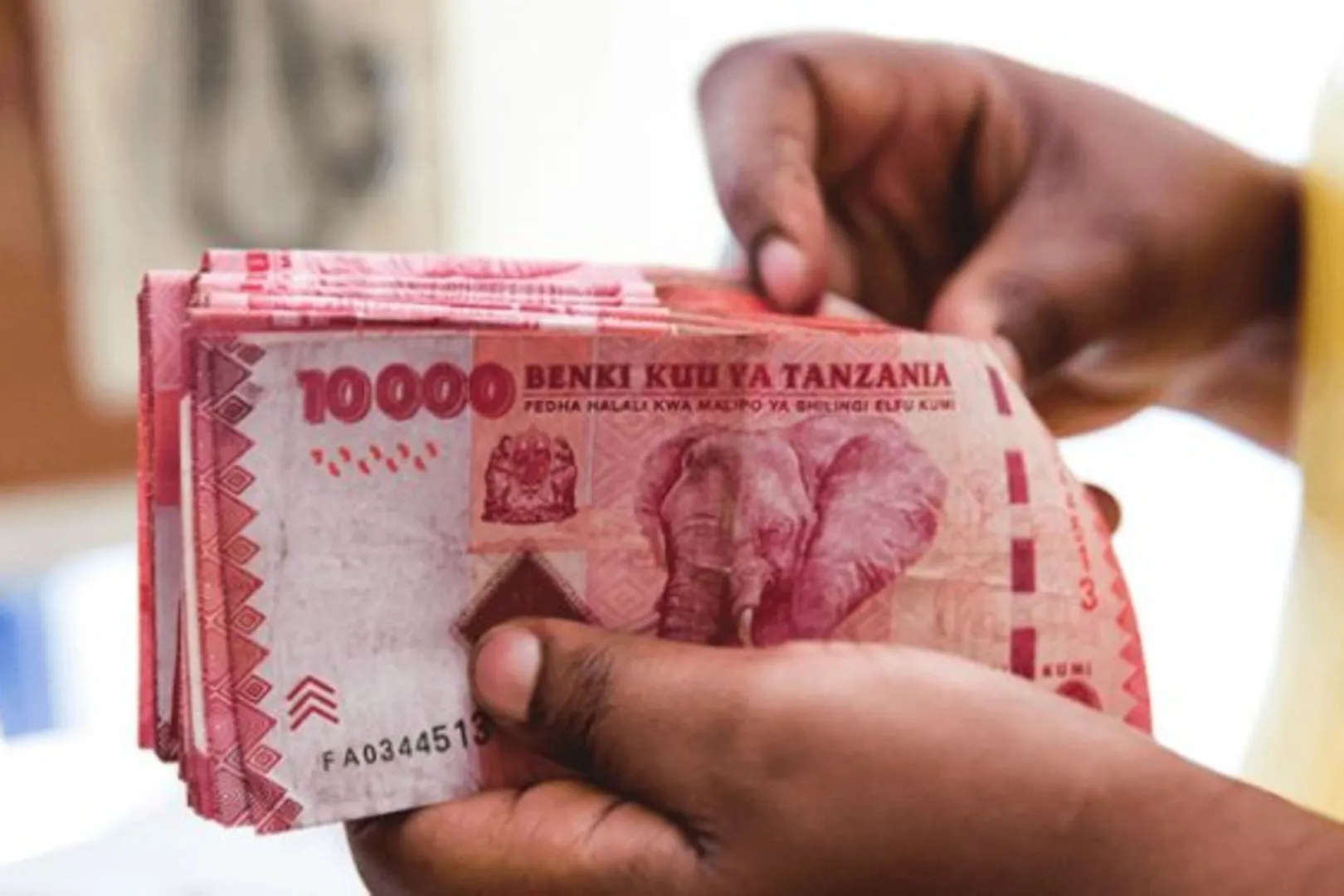
Additionally, the Tanzanian shilling depreciated by 8% against the US dollar in 2023. Foreign exchange shortages caused this depreciation.
The fiscal deficit decreased to 3.5% of GDP in 2022–2023. It was 3.6% in 2021/22. External and domestic borrowing financed this deficit.
The primary deficit remained stable at 1.8% of GDP in both 2021/22 and 2022/23. It is projected to moderate to 1.4% in 2023/24.
Public debt increased from 43.6% of GDP in 2021/22 to 45.5% in 2022/23. Increased loans for infrastructure projects contributed to this rise.
In addition, the current account deficit narrowed from 7.3% of GDP in 2022 to 3.8% in 2023. Higher tourism receipts supported this improvement.
External commercial debt and official flows financed the deficit. Reserves declined to 4.5 months of import cover in 2023.
Furthermore, they were 4.7 months old in 2022. The authorities’ response to the foreign exchange shortage caused this decline.
Future Outlook
Real GDP growth is projected at 5.7% in 2024 and 6.0% in 2025. Agriculture, manufacturing, and tourism will drive this growth.
However, public investment and reforms will support these sectors. Inflation is expected to decline to 3.3% in 2024 and 3.4% in 2025.
Stability in food and energy prices will aid this reduction. The fiscal deficit is anticipated to decline to 2.5% of GDP in 2023–24.
It will stabilize at this level in 2024/25. Improvements in revenue performance will support this trend. Domestic and external borrowing will finance the deficit.
In addition, the current account deficit is projected to be 4.0% and 4.2% of GDP in 2024 and 2025, respectively.
Mineral export performance and tourism receipts will support this improvement. External borrowing will finance the deficit.
Structural Transformation
Tanzania’s economic transformation is evident. Labor has shifted from low-productivity agriculture to services and industry. The employment share of agriculture has declined.
Employment in industry and services has increased. The share of agriculture in GDP decreased from 42% in the early 1990s to 26% in 2022.
However, this transformation has been slow. Structural challenges, including declining industrial productivity and competitiveness, have hindered progress. Shallow financial markets also pose a challenge.
Key Actions for Structural Transformation
Improving the regulatory framework will enhance the business environment. This will boost private investment in manufacturing.
Addressing infrastructure bottlenecks is crucial. Investing in human capital is essential. Expanding digital financial solutions will deepen financial markets.
In addition, expanding the tax base will support revenue mobilization reforms. Strengthening the capacity for the negotiation of natural resource contracts is important.
Increasing access to concessional, low-cost, and long-term development and climate financing will benefit Tanzania.
Conclusion
Tanzania’s economic outlook remains positive. Key sectors drive projected growth. Ongoing reforms provide support.
However, the country faces significant challenges. Geopolitical tensions and regional conflicts pose risks.
Global economic conditions and a narrow tax base also present challenges. Climate-related risks add to these concerns.
Addressing these challenges through targeted actions and reforms will be crucial. Sustaining growth and reducing poverty depend on these efforts.
More: Tanzania news in English, every day from The Rio Times.
This article was produced by The Rio Times’ automated newsroom system. How we use AI · Report an error · Editorial responsibility: Matthias Camenzind, Editor-in-Chief
Part of our ongoing coverage
Africa: The New Scramble — the great-power contest over the continent.