Mexico Is Quietly Winning Back Its Looted Ancient Treasures
Culture · Mexico
Key Facts
—The return. Mexico recovered one hundred and sixty cultural objects in its first formal repatriation of 2026.
—The mix. The lot holds one hundred and fifty-seven archaeological pieces and three historical ones.
—The sources. They came back from the United States, Canada, France and Argentina.
—The tally. The batch lifts the total recovered under the current government to three thousand seven hundred and sixteen.
—The method. Most were handed over voluntarily; others came through foreign courts and customs seizures.
—The read. The campaign is steadily tightening the screws on the global market in ancient artifacts.
Mexico repatriation has become a quiet but relentless campaign, and its latest haul shows how the country is steadily pulling its ancient heritage back from collectors and auction houses abroad.
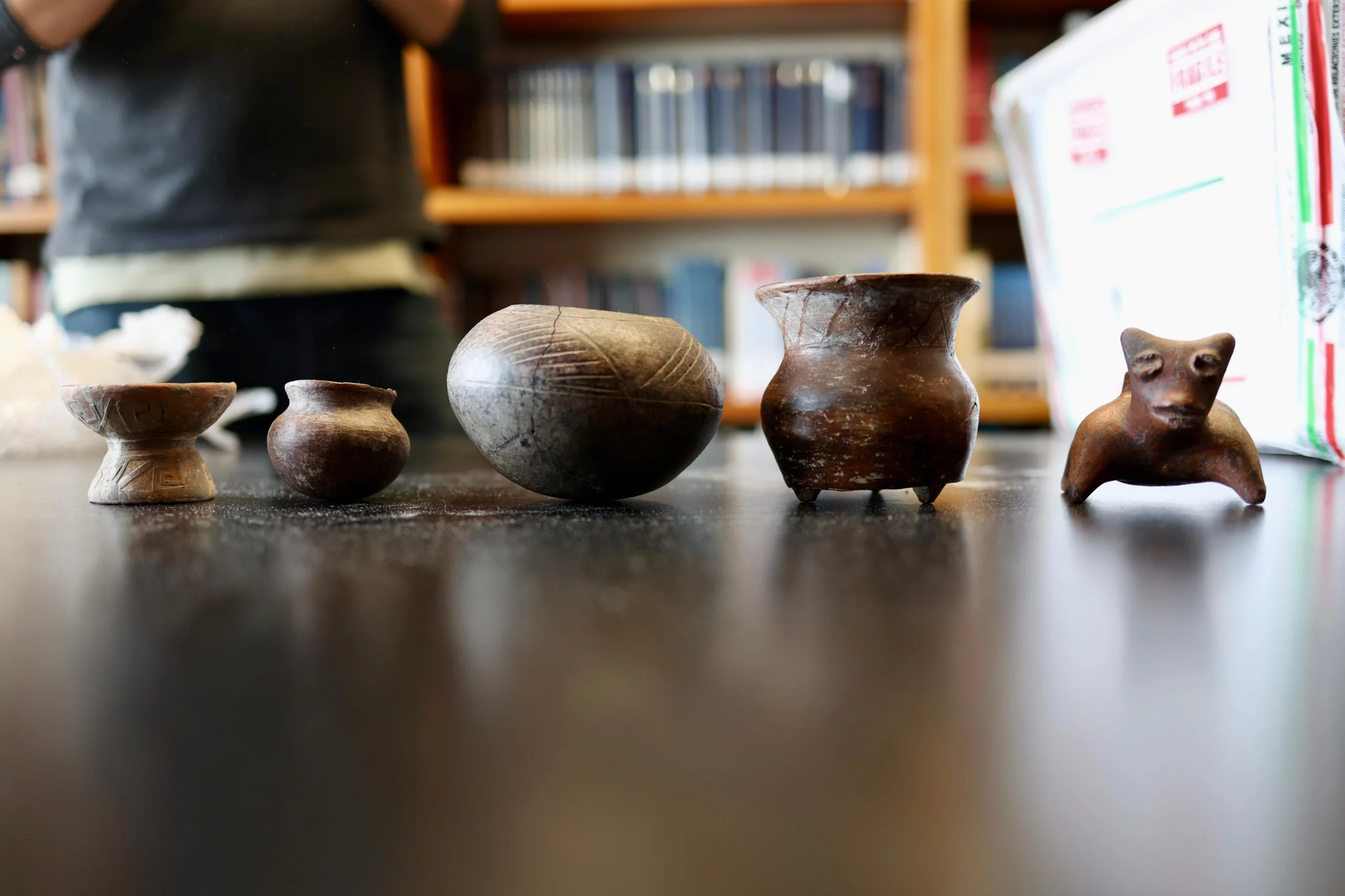
Mexico has quietly recovered one hundred and sixty cultural objects from abroad, in what officials call the first formal repatriation of 2026. The national heritage institute received the lot from the foreign ministry, which had handled the legal work of bringing them home.
The batch is mostly ancient. It holds one hundred and fifty-seven archaeological pieces, largely ceramic, alongside three historical objects.
What came home
The objects returned from four countries: the United States, Canada, France and Argentina. They span a long stretch of Mexico’s past, from pre-Columbian figures to colonial-era works.
Among them are clay figurines from central Mexico and pieces linked to Teotihuacan, the great city north of today’s capital. The three historical items include a pair of carved baroque wooden doors and a religious manual printed in 1703.
Officials said most of the pieces were handed over voluntarily, often by private individuals through Mexican consulates abroad. Others were recovered through cooperation with foreign courts and customs authorities.
The largest single handover came at the Mexican consulate in Seattle, where one hundred and forty figures were given up at once. A dozen more were surrendered in Raleigh, and one piece had once appeared in a 2011 auction catalogue before being seized by American customs.
The historical items carry their own stories. The carved doors were recovered in Atlanta, while the 1703 religious manual was seized by the federal police in Argentina before being sent home.
A campaign measured in thousands
The single number that frames the effort is the running total. According to the heritage institute, this batch lifts the total recovered under the current government to three thousand seven hundred and sixteen objects.
That is a remarkable pace for a programme that rarely makes global headlines. Each lot is small, but together they add up to thousands of pieces flowing back into the country.
The culture minister described it as the result of steady, sustained work by the state on the international stage. The pieces will be registered and then sent gradually to museums in the national network.
Why Mexico repatriation worries the art trade
For a foreign reader, the significance reaches beyond Mexico. The government’s stance is that any heritage object permanently outside the country was, in effect, taken illegally.
That position puts pressure on the people who buy and sell antiquities. Mexico has pushed to halt auctions of pre-Hispanic pieces in Europe, and the steady stream of returns signals to dealers and collectors that ownership of such objects is increasingly contested.
The legal logic is simple and far-reaching. If everything that left the country is presumed to have gone illegally, then a vast share of the pre-Columbian material in private hands worldwide carries a permanent cloud over its title.
It also sits within a wider movement. Countries across Latin America are aligning with the same push for restitution that reshaped the debate over African art, turning what was once a fringe argument into a mainstream risk for the market.
For the public, the payoff is access rather than spectacle. Once registered, the recovered pieces are spread across the country’s museums to be studied and displayed, putting objects that had circulated quietly in private hands back on public view.
More: Latin America news in English, every day from The Rio Times.
Frequently Asked Questions
How many objects did Mexico recover?
Mexico recovered one hundred and sixty cultural objects, made up of one hundred and fifty-seven archaeological pieces and three historical ones. It was described as the first formal repatriation of 2026.
Where did the artifacts come from?
They were returned from the United States, Canada, France and Argentina. Most were handed over voluntarily through Mexican consulates, while others came through foreign courts and customs seizures.
Why does this matter for the art market?
Mexico treats heritage objects held permanently abroad as illegally exported, and it has pushed to stop foreign auctions of pre-Hispanic pieces. The steady returns raise the legal and reputational risk of owning or trading such artifacts.
Connected Coverage
São Paulo’s MASP Museum Dedicates 2026 to Latin American Art Histories
Latin American Art Is Having Its Moment, at Auction and in Museums
This article was produced by The Rio Times’ automated newsroom system. How we use AI · Report an error
Read More from The Rio Times