Manufacturing Falters in Brazil: Official Data Reveal Mounting Strain Behind Sluggish Sector
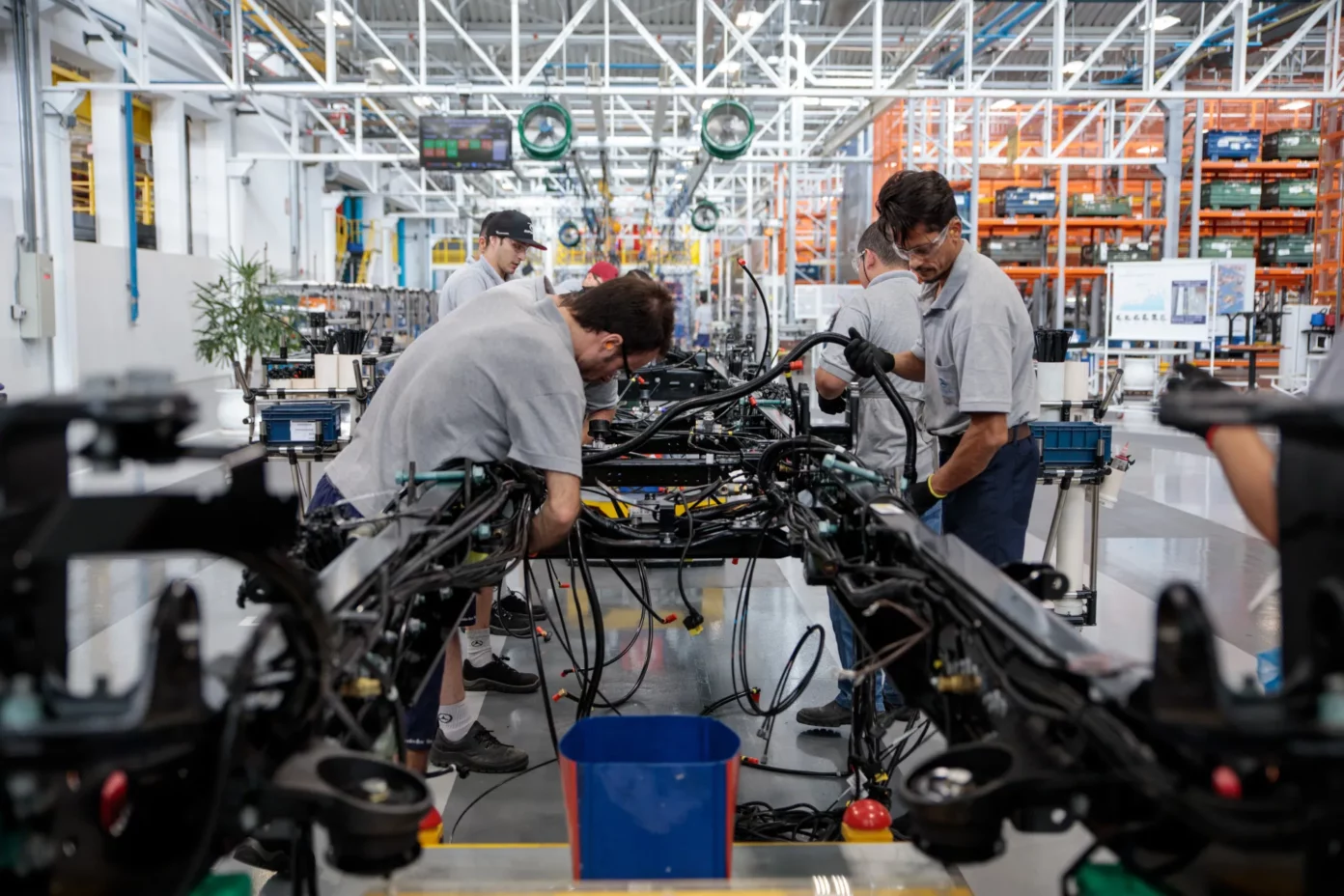
Brazil’s factories are losing speed, and it is not just local workers who notice. New figures from the National Confederation of Industry (CNI) show that Brazil’s industrial sector barely moved in July 2025: real revenue grew only 0.4% from June, while hours worked and jobs inched up less than 0.2%.
Behind these slow numbers, deeper problems are mounting. Manufacturers face two main hurdles. First, Brazil’s high interest rates make borrowing expensive, stop investment, and keep factory upgrades on hold.
Companies say these rates have become a bigger issue than even taxes or shortages of skilled workers. Recent CNI data show that, from January to July this year, companies managed to increase their revenue by 5.1% and jobs by 2.3% over the same months last year.
But workers’ real earnings dropped—average pay per worker, adjusted for inflation, fell by 2.1%. In other words, people find more jobs but can buy less with their wages.
Second, U.S. tariffs have started to squeeze Brazil’s exports. Since August, almost half of all manufactured goods sold to the U.S. now face tariffs of up to 50%.
CNI projections say this will cut Brazil’s export earnings by $5 billion and shrink the national trade surplus by as much as 14% this year. Factory owners have grown less confident as 2025 moves on.
With lower demand, rising competition from imports, and extra operating costs, most business leaders predict no quick industrial rebound. For Brazil, industry’s share of the economy keeps getting smaller compared to booming farming and service sectors.
Until interest rates drop and trade obstacles ease, factories will keep struggling to turn higher output into stronger profits or real gains for workers.
Official data come from the National Confederation of Industry (CNI) and publicly available government statistics released in September 2025. No unofficial or estimated data were used.
This article was produced by The Rio Times’ automated newsroom system. How we use AI · Report an error · Editorial responsibility: Matthias Camenzind, Editor-in-Chief
LatAm Markets: Live Signals → — real-time movers, turnover leaders and FX across Latin America.