Lula Presses Trump To Scrap 40% Surcharge, Testing A Fragile Reset In U.S.–Brazil Ties
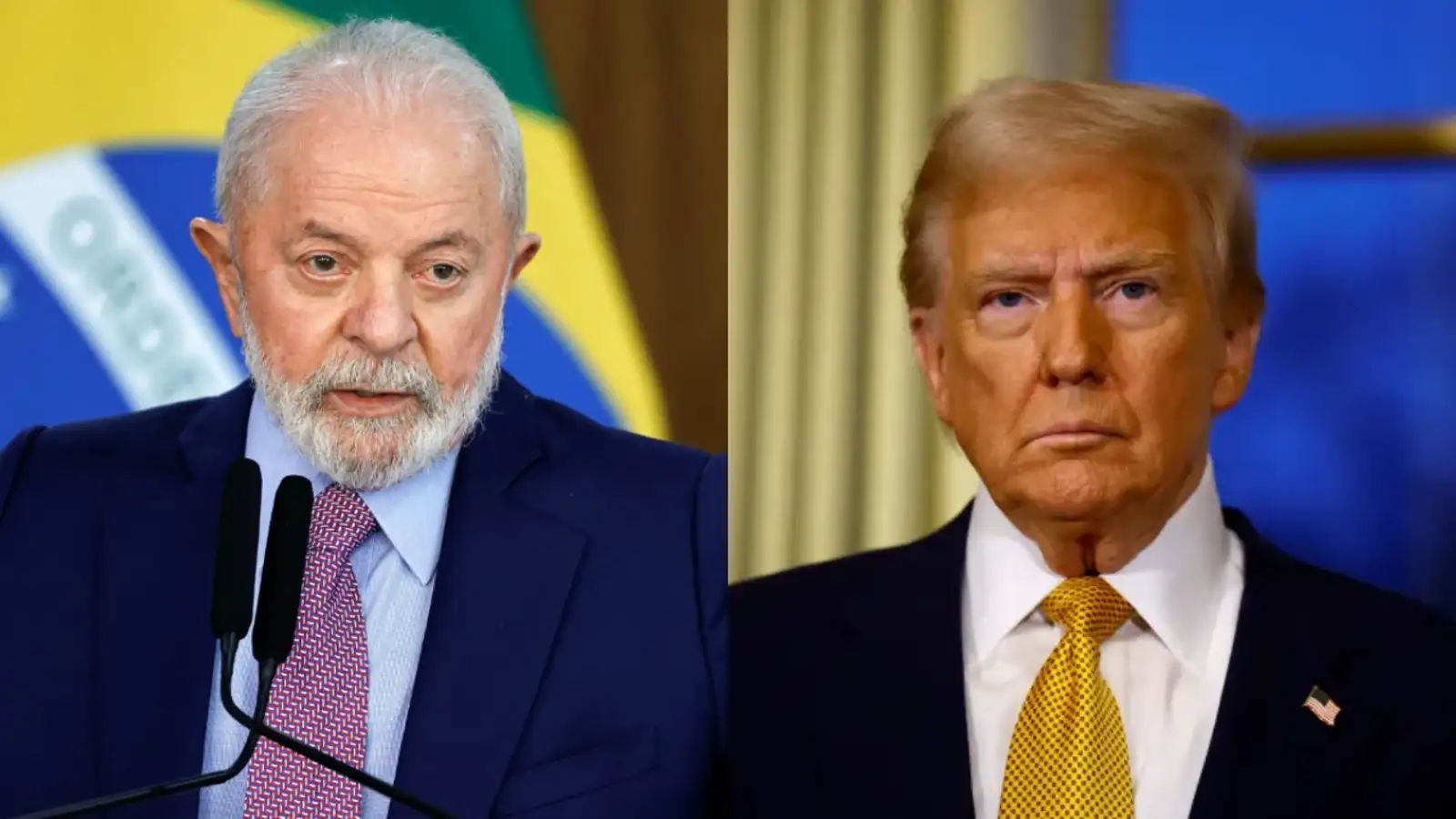
Brazil’s President Luiz Inácio Lula da Silva and U.S. President Donald Trump spoke for about 30 minutes on Monday, agreeing to meet soon after Lula asked Washington to remove a new 40% surcharge on Brazilian goods and revisit U.S. restrictions aimed at Brazilian authorities.
The call follows a brief exchange at the U.N. General Assembly in September and the designation of Secretary of State Marco Rubio to steer follow-up talks with Brazil’s vice president Geraldo Alckmin and key ministers.
The immediate dispute is straightforward: in late July the United States added a 40% duty on most Brazilian imports, effective in August, on top of an existing reciprocal tariff, pushing many items toward a combined 50% rate.
There are carve-outs for select sectors, but exporters in steel, aluminum, agribusiness, energy, and industrial inputs are on alert.
Lula also urged a rethink of recent U.S. visa and financial actions targeting Brazilian officials, arguing they complicate relations between long-standing partners.
The story behind the story is political and economic. The Trump administration framed the tariff and restrictions as a response to Brazil’s internal political climate and free-speech concerns tied to high-profile judicial actions.
Lula Seeks Reset as U.S.-Brazil Trade Tensions Simmer
Lula counters that the two economies are deeply interlinked, that the U.S. typically runs a surplus with Brazil—especially in services—and that higher border taxes only raise costs for American buyers while hitting Brazilian jobs and investment.
Both leaders see value in dialing down tensions before they harden into a broader rupture. What happens next will show whether this is a genuine reset or a tactical pause.
Lula floated an in-person meeting “soon,” potentially around late-October diplomacy in Asia, and invited Trump to COP-30 in Belém in 2025.
If the Rubio-Alckmin channel sketches a realistic path to ease the surcharge and clarify the scope of U.S. restrictions, businesses on both sides can plan.
If not, expect exporters to reroute shipments, buyers to pass on higher prices, and a testing year for a relationship that still matters across supply chains, energy flows, and climate cooperation.
More: Brazil news in English, every day from The Rio Times.
This article was produced by The Rio Times’ automated newsroom system. How we use AI · Report an error · Editorial responsibility: Matthias Camenzind, Editor-in-Chief
Brazil runoff, Sunday, October 25: Brazil runoff date. Latest: Brazil runoff polls, Flávio 51%, Lula 49%.