Latin America News Roundup: Canal Engine, Nicaragua Reform, IHRA
Region · NEWS
Key Facts
- —Panamá ECLAC projects growth of 4.4% in 2026 and 4.6% in 2027, driven by the canal
- —Nicaragua reform would set seven-year renewable terms and restrict candidacies
- —Dominican Republic seventh Latin American adopter of the IHRA definition
- —Sosúa RD$50 million pledged for the Jewish museum, first half delivered in January
- —Uruguay Oddone projects 2.1% growth in 2027, conditional on the global context
A canal that carries an economy, a church-backed constitutional overhaul, an antisemitism milestone and a cautious fiscal outlook shape the regional day.
From the Panama Canal to the Jewish museum of Sosúa, this Latin America news roundup for Wednesday 26 August 2026 gathers four developments that moved the region on Tuesday 25 August. The UN’s Economic Commission for Latin America and the Caribbean (ECLAC) said the canal remains Panamá’s economic engine; in Managua, evangelical pastors publicly backed the government’s constitutional reform bill; the Dominican Republic adopted the IHRA definition of antisemitism; and Uruguay’s economy minister Gabriel Oddone projected fiscal improvement and faster growth for 2027, conditional on the international context.
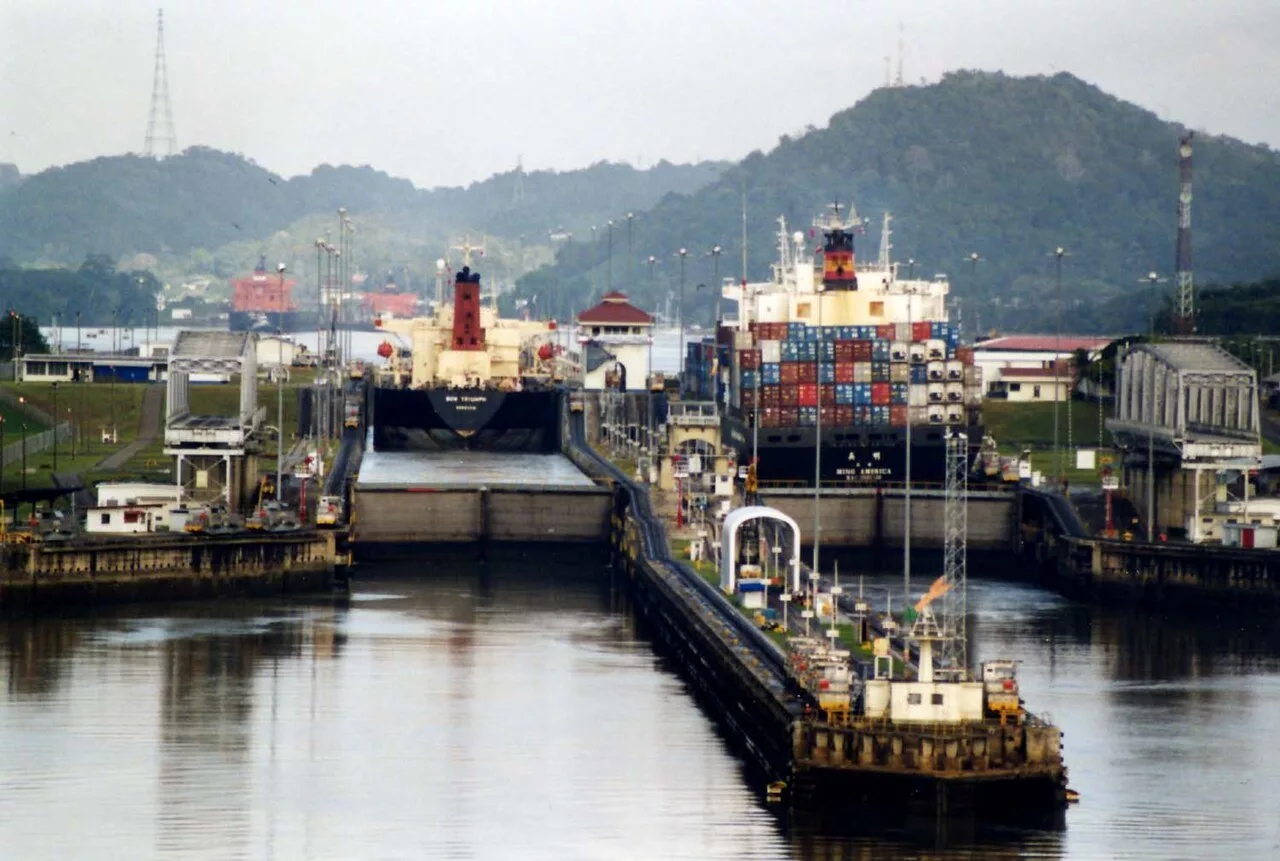
Panamá: ECLAC says the canal remains the country’s economic engine
The Panama Canal is still carrying the country’s growth, ECLAC economists told La Estrella de Panamá in an interview published this week. The UN body projects Panama’s economy will expand 4.4 per cent in 2026 and 4.6 per cent in 2027, roughly double the Latin American average and above the Central American mean of about 4 per cent. José Manuel Arroyo, who led work on ECLAC’s note on Panamá, said the canal is definitively the sector carrying the pace of the economy, as rerouted shipping linked to the Middle East conflict lifts demand for transit and for logistics, trade, tourism and financial services.
ECLAC also flagged the risks of leaning on so few sectors: droughts tied to El Niño could restrict transits, an end to the Middle East conflict could unwind the rerouting premium, and world trade is slowing. Unemployment reached 10.4 per cent in 2025 and informality exceeds 47 per cent, which is why ECLAC urges Panamá to convert nearshoring interest into better jobs.
Nicaragua: evangelical pastors back the constitutional reform bill
Another focal point of this Latin America news roundup comes from Managua, where evangelical pastors and faith leaders publicly endorsed the constitutional reform championed by Daniel Ortega and Rosario Murillo, according to the National Assembly’s news service and independent outlet La Prensa. The backing is striking because religious groups have also reported persecution by the authorities. The bill would extend presidential terms to seven renewable years and raise to constitutional rank the bans on candidacies for people linked to the 2018 protests or to support for international sanctions.
Critics warn the reform would entrench the exclusion of opposition candidates and further delay competitive elections. Managua-based outlet Confidencial reports the assembly opened a consultation in late July with the aim of approving the text in early September, days after Ortega declared there would be no more elections and Congress chief Gustavo Porras told diplomats that elections would happen, while outlining the constitutional wall against opposition candidates. Critics note the February 2025 reform had already stretched the term from five to six years and pushed the vote from 2026 to 2027.
Dominican Republic adopts the IHRA definition of antisemitism
President Luis Abinader announced on Tuesday 25 August 2026 that the Dominican Republic has formally adopted the International Holocaust Remembrance Alliance (IHRA) working definition of antisemitism, during the Sixth Latin American Forum against Antisemitism in Santo Domingo. The Foreign Ministry officialised the adhesion in a comunicado dated 24 August. According to organisers, the country becomes the seventh in Latin America to adopt or endorse the definition, after Argentina, Colombia, Costa Rica, Guatemala, Panamá and Uruguay. Abinader said the tool will be applied with respect for freedom of expression and constitutional rights; the IHRA itself stresses the definition is legally non-binding.
Abinader also announced RD$50 million for a new building for the Jewish Museum of Sosúa, the town that preserves the legacy of Jewish refugees admitted under Rafael Trujillo after the 1938 Évian Conference. Diario Libre notes the amount had already been announced in January by Presidency Minister José Ignacio Paliza, who delivered the first RD$25 million then, and that it is unclear whether the new communication expands or restates that project. The US Holocaust Memorial Museum records that the Dominican Republic admitted 645 Jews between 1938 and 1945 and that the Sosúa colony peaked at 476 residents in 1943.
Uruguay: Oddone projects fiscal improvement and growth for 2027
Rounding out this Latin America news roundup, Uruguay’s economy minister Gabriel Oddone said the country should improve fiscally next year and enter a faster growth path, if the world cooperates. Official projections put GDP growth at 2.1 per cent for 2027, after the 2026 forecast was cut to 1.6 per cent from the 2.2 per cent pencilled into the budget, reflecting a weaker global scenario. Oddone said the projections sit within the range of private analysts, local and international.
The fiscal improvement expected for 2027 leans on new revenue tools in the budget, including the global minimum tax and a levy on capital gains, plus spending reallocations to protect four priorities: childhood, security, homelessness and employment. A US$1.6 billion bond placement in July 2026, which the minister read as a vote of market confidence in the country’s public finances, gives the government room as it waits for a friendlier international context.
Why this Latin America news roundup matters
The items in this Latin America news roundup share a common thread: institutions under pressure to deliver. Panamá’s canal windfall shows what a logistics asset can do for a small economy, and ECLAC’s warning shows the flip side of depending on it. Nicaragua’s pastor endorsement illustrates how the government is marshalling visible support for a reform that critics say closes off political competition.
In the Caribbean and the Southern Cone, the signals are quieter but real. The Dominican Republic’s IHRA adoption and the Sosúa investment tie foreign-policy signalling to cultural tourism and historical memory, while Uruguay’s cautious optimism will be tested by commodity prices and global demand. For readers tracking the region, this Latin America news roundup is a snapshot of how growth, politics and memory are colliding in the second half of 2026.
Frequently Asked Questions
What did ECLAC say about Panama’s economy?
ECLAC projects growth of 4.4 per cent in 2026 and 4.6 per cent in 2027 for Panamá and says the canal is carrying the economy, boosted by rerouted shipping linked to the Middle East conflict. It warns that El Niño droughts, a possible end to that conflict and slower world trade are key risks.
What does Nicaragua’s constitutional reform propose?
As noted in this Latin America news roundup, the bill would set seven-year renewable presidential terms and constitutionally bar candidacies by people linked to the 2018 protests or to support for sanctions. Critics say it could shield the government from sanctions and further postpone competitive elections.
Which countries in the region have adopted the IHRA definition?
The Dominican Republic is the seventh Latin American country to adopt or endorse the IHRA working definition of antisemitism, after Argentina, Colombia, Costa Rica, Guatemala, Panamá and Uruguay, according to forum organisers.
Connected Coverage
Sources
This article was produced by The Rio Times’ automated newsroom system. How we use AI · Report an error
Read More from The Rio Times