Latin America in Brief: Costa Rica, Paraguay, Colombia
LATIN AMERICA · REGIONAL ROUNDUP
Key Facts
- —What happened Costa Rica has confirmed 772 hepatitis A cases in 2026, most of them in the San José area.
- —How big Paraguay’s export volumes rose 27% this year, but a stronger guaraní erased most of the earnings gain.
- —What it means Colombia now requires visas from 13 countries, citing reciprocity after similar rules imposed on Colombian travelers.
- —The catch Colombian crime figure La Bebecita had already struck a plea deal before police killed her the next day.
- —Who it affects El Salvador loses Temporary Protected Status (TPS) for 170,000 people on September 9, ending their legal work permits.
- —What comes next Rights groups warn that nearly 200,000 deportations to Haiti this year are worsening its humanitarian crisis.
Latin America’s week: a hepatitis outbreak, a currency squeeze, tighter visas, a cartel death and a migration deadline.
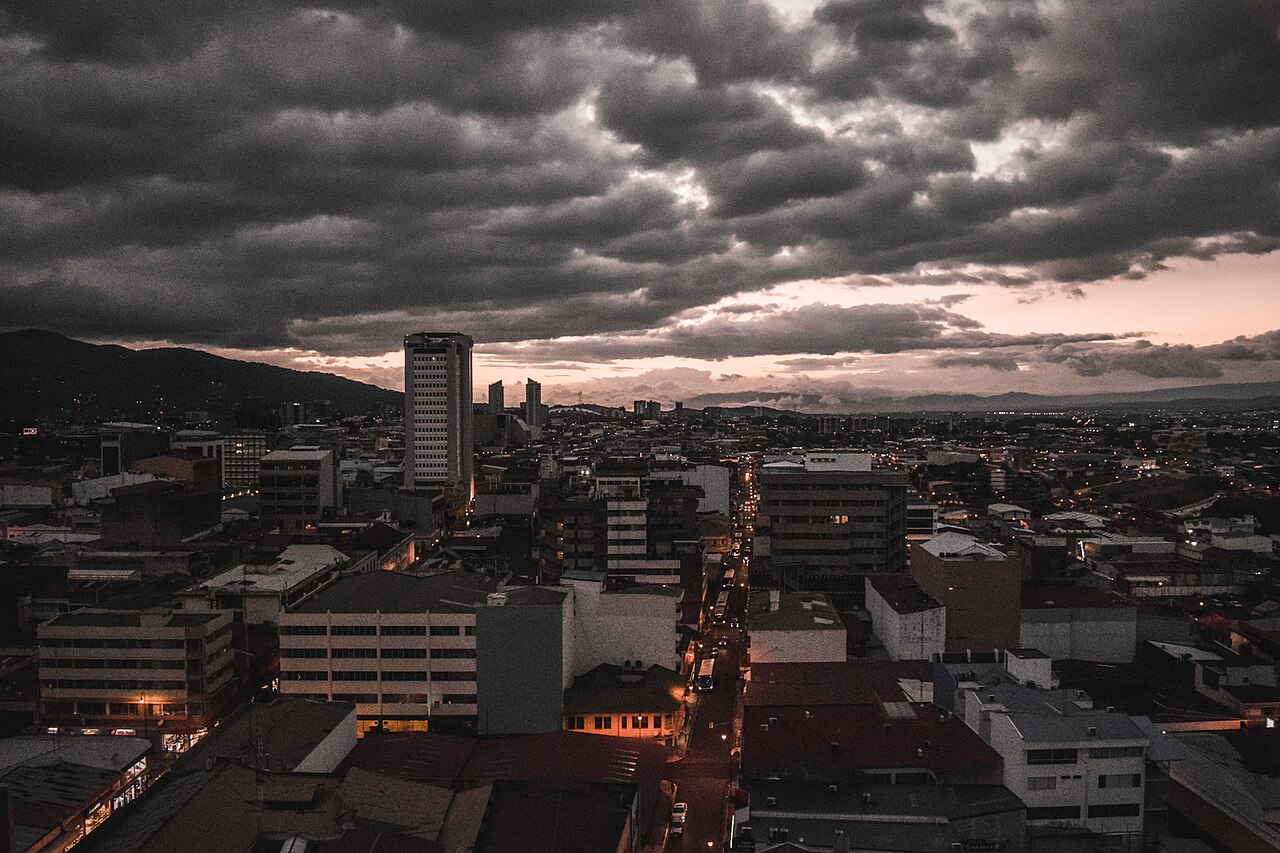
The Rio Times rounds up five fast-moving stories from across Latin America this week.
A stronger guaraní is squeezing Paraguay’s exporters despite record shipments abroad. Colombia has tightened its visa rules and confirmed a cartel figure’s death this week.
Costa Rica’s Hepatitis A Outbreak Concentrates in San José
Costa Rica has confirmed 772 hepatitis A cases so far in 2026. That is more than double the 373 cases reported for all of last year, according to Infobae.
Health officials say most cases are clustered in the San José area. The capital province accounts for 562 of the total, or 73%.
Investigators are blaming gaps in the water supply for spreading the virus. Hepatitis A spreads mainly through contaminated water and food.
Most patients are working-age adults between 20 and 64 years old. That group accounts for 601 of the confirmed cases, health data show.
The health ministry is urging residents to boil water and wash their hands often. It has also stepped up surveillance in schools and food businesses.
Paraguay’s Export Boom Undone by a Stronger Guaraní
Paraguay’s export volumes climbed 27% this year, according to Paraguay’s NewsDigitales. But a sharply stronger guaraní wiped out most of that gain in local-currency earnings.
The guaraní has gained roughly 24% against the dollar over the past year. It closed near 5,922 guaraníes per dollar in late August, its strongest level since 2018.
Exporters get paid in dollars, then convert those dollars into guaraníes. A stronger guaraní means every dollar buys fewer guaraníes at home.
Soybean shipments led the surge, climbing nearly 49% in dollar terms this year. Paraguay’s central bank has largely let the exchange rate move on its own.
Beef exporters felt it hardest: dollar prices jumped 22%, guaraní earnings rose just 6%. An association representing small and mid-size businesses estimated exporters lost about a quarter of their gains this year.
Colombia Tightens Its Visa List
Colombia will now require entry visas from citizens of 13 countries. The list includes China and Haiti among other nations.
Colombia’s foreign ministry cited reciprocity as the reason for the change. Israel began requiring visas from Colombian travelers back in May 2025.
The ministry is replacing a 2018 rule that had exempted these countries. Cuba is the only nation on the new list that still lets Colombians in visa-free.
The new rules apply to visitors, not to Colombians living abroad. Officials say the goal is equal treatment for travelers on both sides.
Colombian Crime Figure ‘La Bebecita’ Dies After Striking a Plea Deal
Colombian police killed a woman known as “La Bebecita” during a raid on September 4. Her real name was Rosa Angélica Tarazona, multiple outlets reported.
She died alongside her partner in the same Riohacha raid. He was known as Bendito Menor, real name Naín Andrés Pérez Toncel.
Toncel led a criminal group known as Los Pachenca, active in Colombia’s Caribbean region. Investigators say Tarazona managed the group’s money and paid its armed members.
One day before she died, Tarazona had reached a plea deal with prosecutors. She had agreed to admit guilt on a conspiracy charge, according to El Tiempo and Infobae.
The operation has drawn political scrutiny inside Colombia. President Gustavo Petro publicly questioned the police response afterward, Infobae reported.
El Salvador Faces a Migration Deadline as Haiti Deportations Draw Warnings
Temporary Protected Status (TPS) lets migrants from crisis-hit countries live and work legally in the United States. That status ends for El Salvador on September 9, 2026.
About 170,000 Salvadorans currently hold TPS. Most work in construction or food service, Infobae reported.
Together they earn about $5.4 billion a year after taxes, one researcher found. They also pay about $1.5 billion a year in taxes, the same report said.
Without an extension, many could lose their jobs and face removal. El Salvador’s economy depends heavily on money migrants send home, one economist warned.
Some lawmakers in Washington are pushing to extend the deadline for Salvadorans. Representative Jim McGovern has urged the government to grant more time, Infobae reported.
Meanwhile, rights advocates warn deportations are deepening Haiti’s humanitarian crisis. Nearly 200,000 people were returned to Haiti in the first eight months of 2026, United Nations officials said.
A gang attack near Port-au-Prince last month killed 47 people, including five children. The Haitian Bridge Alliance said such violence shows Haiti is not safe for returnees.
Gang violence has killed more than 21,000 people in Haiti since 2022, officials say. Illegal weapons smuggled from the United States are fueling much of that violence, reports say.
More: Latin America news in English, every day from The Rio Times.
Frequently Asked Questions
What caused Costa Rica’s hepatitis A outbreak?
Health officials point to problems in the local water supply in the San José area. Hepatitis A spreads through contaminated water and food.
Why did Paraguay’s exporters lose money even though sales rose?
A stronger guaraní meant every dollar they earned converted into fewer guaraníes at home. That erased much of the gain from higher export volumes.
Which countries now need a visa to enter Colombia?
Colombia added 13 countries to its visa list, including China and Haiti. The change mirrors visa rules those countries already apply to Colombian travelers.
Who was La Bebecita, and what happened before she died?
She was Rosa Angélica Tarazona, a leader of the Los Pachenca criminal group. She had struck a plea deal with prosecutors the day before police killed her.
What is Temporary Protected Status, and when does it end for El Salvador?
Temporary Protected Status lets migrants from crisis-hit countries live and work legally in the United States. That status ends for El Salvador on September 9, 2026.
Sources: Infobae, La Nación (Costa Rica), The Tico Times, Outbreak News Today, The Rio Times Online, Prensa Mercosur, ABC Color, NewsDigitales, Colombia’s Ministry of Foreign Affairs (Cancillería), El Cronista, El Tiempo, El País (Cali), Semana, Fwd.us, the Haitian Bridge Alliance, the United Nations, and The Spokesman-Review.
This article was drafted with automated assistance and reviewed before publication. How we use AI · Report an error
Read More from The Rio Times