Kenya and South Sudan Push to Finish a Trade Road Stalled by a Border Dispute
Kenya · GEOPOLITICS
Key Facts
- —What happened Kenya and South Sudan agreed to keep the Juba–Nadapal corridor moving despite the unresolved Ilemi Triangle border dispute.
- —The disputed area The Ilemi Triangle is estimated at roughly 10,000 to 14,000 square kilometres, with an 11-kilometre stretch near the border still unresolved.
- —Why it matters The corridor is meant to cut transport costs for cargo moving from Mombasa to Juba and reduce reliance on longer Ugandan routes.
- —The money Kenya–South Sudan trade was worth US$168 million, down from US$246 million, and the African Development Bank has committed Sh28.8 billion, about US$223 million, for related road works.
- —What comes next Both governments say the border dispute want the border question separated from trade, but the unbuilt 11-kilometre Nadapal to Nakodok section remains a flashpoint.
Kenya and South Sudan have moved to protect the Juba–Nadapal trade corridor even as the Ilemi Triangle row simmers, keeping a vital artery open for landlocked South Sudan and the wider LAPSSET logistics network.
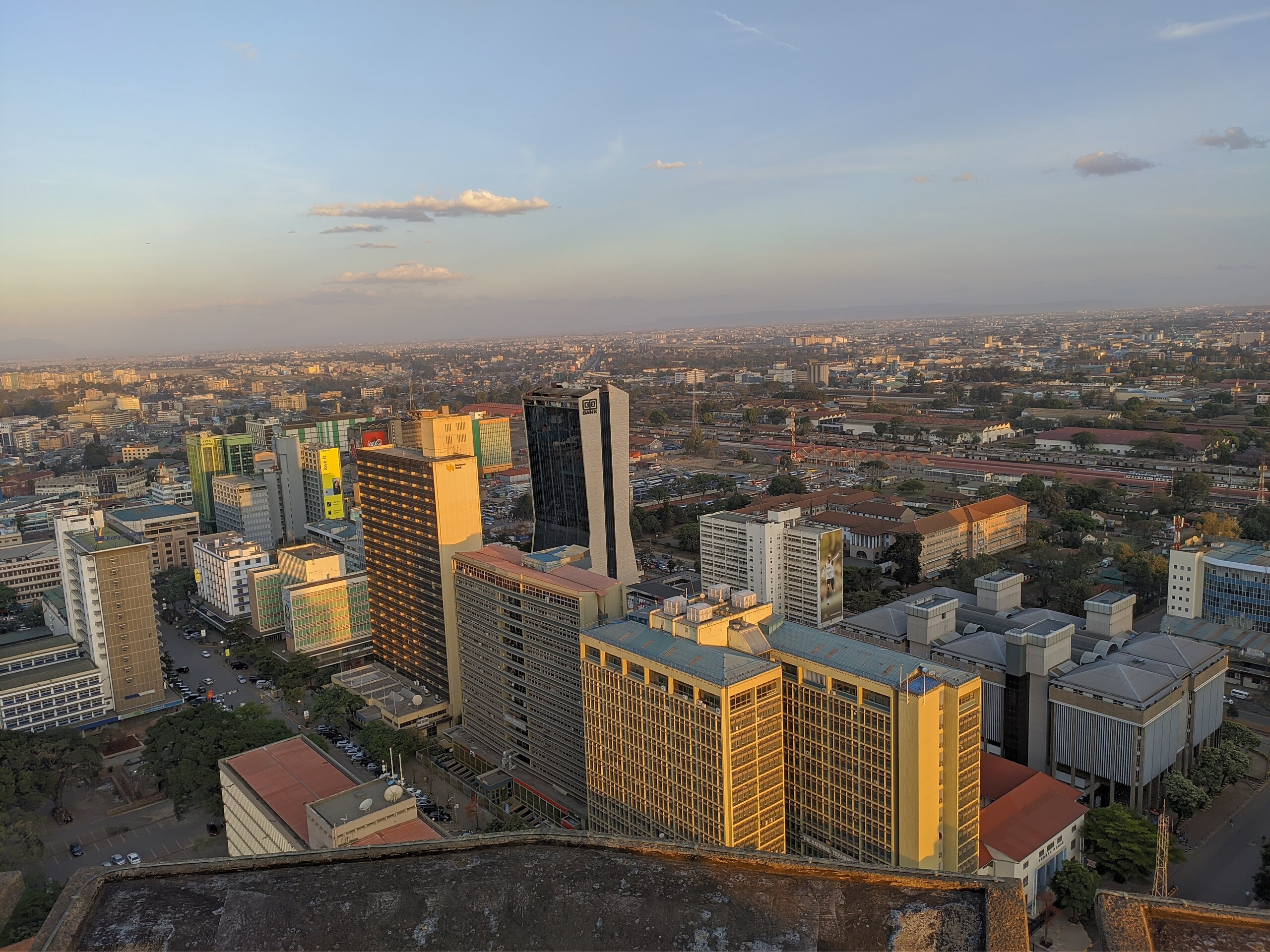
Kenya and South Sudan have agreed to keep the Juba–Nadapal corridor moving despite the unresolved Ilemi Triangle border dispute. The road is central to trade with landlocked South Sudan and to the wider LAPSSET and Northern Corridor logistics network that links East Africa’s interior to the Indian Ocean.
Why the Ilemi Triangle row matters for trade
The Ilemi Triangle is a contested frontier area estimated at roughly 10,000 to 14,000 square kilometres. The key unresolved stretch is an 11-kilometre section near the border between Kenya and South Sudan.
That small patch of land carries outsized commercial weight. The Juba–Nadapal corridor is meant to cut transport costs for cargo moving from Mombasa to Juba and reduce reliance on longer Ugandan routes such as Nimule–Juba.
For South Sudan, the road offers cheaper access to the Indian Ocean and Kenyan markets. For Kenya, it consolidates the country’s role as the transit state for East Africa’s interior.
The money and power stakes behind the road
The commercial stakes are clear. One report said Kenya–South Sudan trade was worth US$168 million, down from US$246 million, a fall that underscores how much is at risk if the corridor stalls.
The project has drawn significant financing interest. The African Development Bank has committed Sh28.8 billion, about US$223 million, for related road works, and the planning has been tied to World Bank-backed efforts.
Those commitments sit inside broader LAPSSET corridor ambitions that connect Kenya, South Sudan and Ethiopia to regional trade and infrastructure networks. The road is not just a bilateral project; it is a piece of a much larger logistics puzzle.
Oil, security and the frontier politics of Ilemi
The Ilemi area sits on the South Sudan, Kenya and Ethiopia tri-border, next to Turkana, a region linked in reporting to oil and pastoralist security concerns. That makes the border row more than a technical mapping dispute.
South Sudan wants cheaper access to the Indian Ocean and Kenyan markets, while Kenya wants to lock in its position as the gateway for East Africa’s interior. Both governments have said the border dispute want the border question kept separate from the trade corridor.
The corridor also touches security-sensitive frontier politics. Keeping the road open is as much about managing pastoralist movement and resource access as it is about moving cargo.
The great-power and financing context
The Juba–Nadapal corridor fits into a wider pattern of infrastructure competition across Africa. Development banks and international partners are backing roads that bind landlocked states to coastal trade hubs.
That dynamic is central to our coverage of Africa: The New Scramble, where infrastructure, minerals and great-power competition intersect. The Ilemi Triangle row shows how even small border disputes can shape major trade routes.
For Kenya, the corridor reinforces its role in the Northern Corridor network that serves Uganda, South Sudan and beyond. For South Sudan, it offers an alternative to dependence on longer routes through neighbouring states.
Who gains and who loses
Traders moving goods between Mombasa and Juba stand to gain from lower transport costs and faster transit times. Kenyan logistics firms and port operators also benefit from higher cargo volumes.
Communities near the disputed 11-kilometre stretch face the most immediate uncertainty. The unresolved border section remains a flashpoint even as both governments promise construction will proceed.
Uganda could lose some transit traffic if the Juba–Nadapal corridor becomes the preferred route for South Sudan-bound cargo. That shift would redraw the competitive map of East African logistics.
What to watch next
The immediate test is whether construction on the 11-kilometre unresolved section moves forward without a final border agreement. Both governments have said the dispute will not affect highway construction, but the proof will be in the tenders and earthworks.
Watch for any new financing announcements from the African Development Bank or World Bank-backed planning bodies. Additional commitments would signal that the corridor is moving from promise to pavement.
The broader question is whether the Ilemi Triangle row escalates or fades as trade volumes grow. For now, the corridor is open, and both capitals have a shared interest in keeping it that way.
Frequently Asked Questions
What is the Ilemi Triangle dispute about?
The Ilemi Triangle is a contested frontier area estimated at roughly 10,000 to 14,000 square kilometres between Kenya and South Sudan, with an 11-kilometre stretch near the border still unresolved.
Why does the Juba–Nadapal corridor matter for trade?
The corridor is meant to cut transport costs for cargo moving from Mombasa to Juba and reduce reliance on longer Ugandan routes such as Nimule–Juba.
How much money is at stake in the Kenya–South Sudan trade route?
Kenya–South Sudan trade was worth US$168 million, down from US$246 million, and the African Development Bank has committed Sh28.8 billion, about US$223 million, for related road works.
Connected Coverage
Sources
This article was produced by The Rio Times’ automated newsroom system. How we use AI · Report an error
Read More from The Rio Times