Kenya Growth Forecast Cut to 4.3 Percent as Debt and Oil Risks Bite
Africa · Eastern
Key Facts
—World Bank downgrade. Kenya’s 2026 real GDP growth forecast was cut to 4.3 percent from 4.9 percent in the 9 July 2026 Economic Update.
—Oil and shipping shock. The U.S.–Israel–Iran conflict disrupted energy markets and Strait of Hormuz routes, raising fuel costs for the net oil importer.
—Fiscal fragility. Public debt hit 68.8 percent of GDP, the deficit widened to 5.9 percent of GDP, and interest payments absorb a third of tax revenue.
—Credit risks. Banks hold public debt equal to 25 percent of total assets, linking lending conditions tightly to sovereign fiscal performance.
—Election uncertainty. The 2027 general election cycle raises risks of further fiscal slippage and reform delays, the World Bank warned.
The World Bank slashed Kenya’s 2026 growth forecast to 4.3 percent, down from 4.9 percent, as the Middle East conflict, mounting debt-servicing costs and fiscal slippage converge to squeeze one of East Africa’s most closely watched economies.
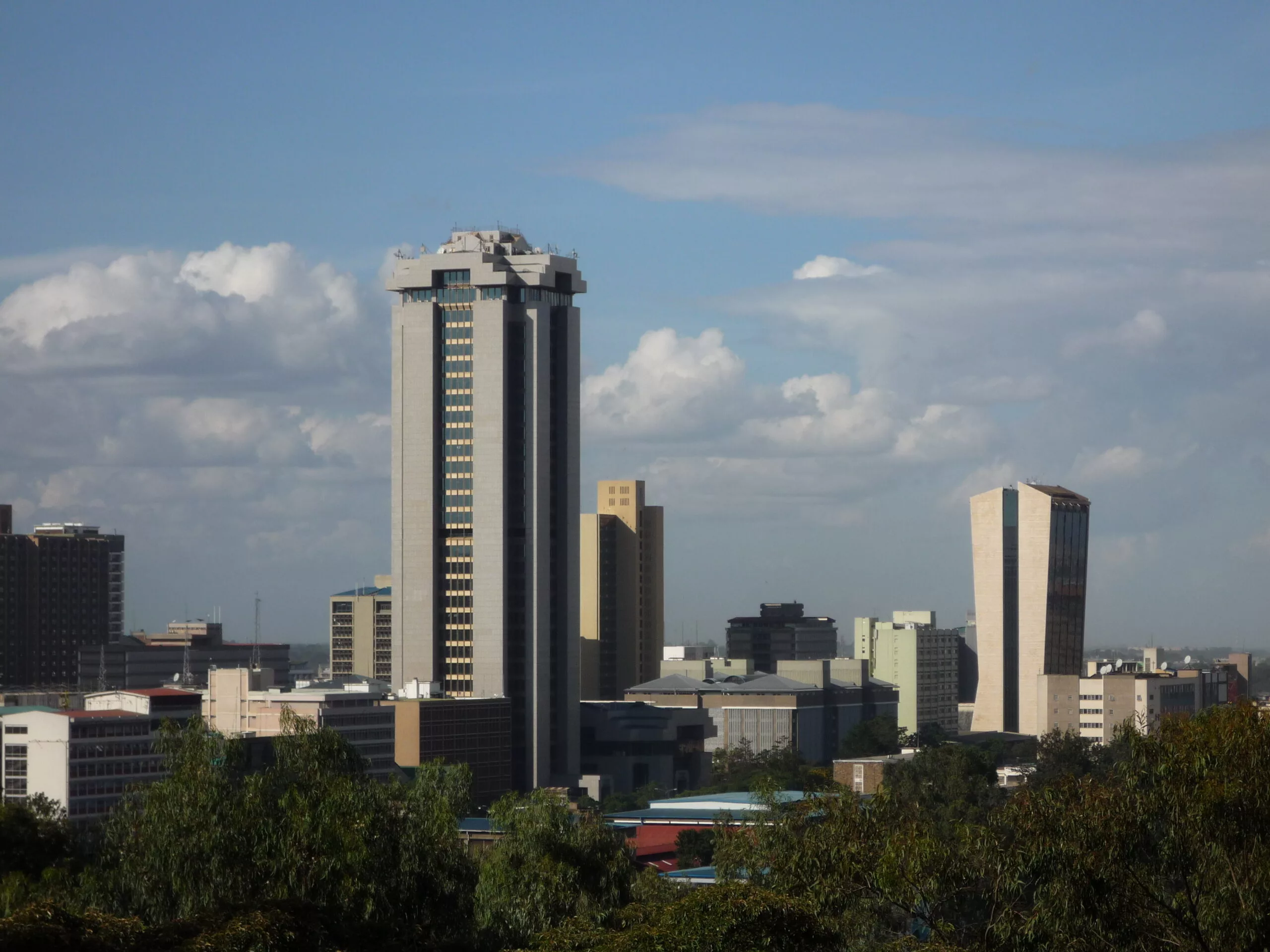
What triggered the Kenya growth forecast downgrade
In its Kenya Economic Update released on 9 July 2026, the World Bank lowered the country’s real GDP growth projection to 4.3 percent for the year. The revision, a 0.6-percentage-point cut from the November 2025 forecast, was attributed primarily to the economic consequences of the United States–Israel–Iran conflict.
Disruption around the Strait of Hormuz has driven up petroleum prices and shipping insurance costs. As a net oil importer, Kenya faces higher import bills, a deteriorating trade balance and renewed inflationary pressure that weakens both investment and household consumption.
The Bank now expects growth to edge up only slightly to 4.4 percent in 2027 before gradually returning to around 5 percent over the medium term. This places the World Bank and the IMF at the pessimistic end of the forecast spectrum, while domestic authorities and many private analysts remain more upbeat, betting on strong services and agriculture to offset the oil shock.
Fiscal pressures and the debt trap
Kenya’s public debt reached 68.8 percent of GDP in the 2024/25 fiscal year and remains at high risk of distress, according to the World Bank. Interest payments now absorb roughly a third of tax revenue, while debt service rose to 5.8 percent of GDP.
The fiscal deficit widened to 5.9 percent of GDP against a revised target of 4.3 percent, driven by revenue shortfalls and rigid spending. The IMF projects the budget gap could reach 6.4 percent of GDP in 2026, with public debt climbing to about 72.4 percent of GDP.
Total public debt stood at approximately KSh 11.49 trillion (about US$89 billion) by April 2025, split between KSh 5.326 trillion (US$41.3 billion) in external obligations and KSh 6.164 trillion (US$47.8 billion) in domestic liabilities. Roughly 60 percent of tax revenues and nearly half the national budget are allocated to servicing debt, more than any single social sector.
Credit risks and the banking–sovereign nexus
Commercial banks hold public debt equivalent to about 25 percent of total bank assets, concentrating risk and linking balance sheets tightly to government fiscal performance. Rising yields on domestic securities, driven by market worries about fiscal discipline, can raise lending rates and crowd out private sector credit.
This credit channel amplifies the slowdown. Slippage into higher deficits forces heavier domestic borrowing, which pressures yields, which in turn tightens credit for businesses and households, reinforcing the World Bank’s caution on growth.
The great-power angle: who holds Kenya’s purse strings
Kenya is currently under three separate IMF financing programmes, with 22 arrangements over the years. Debt to the IMF stands at about US$3.5 billion, following a fresh US$941 million loan agreed in January 2024 to help manage the debt crisis and refinance a maturing Eurobond.
China holds roughly US$8 billion in Kenyan debt, mainly infrastructure loans such as the Standard Gauge Railway. Domestic politically exposed persons are the largest bloc among local creditors, holding significant Treasury bills and bonds with what researchers describe as unrestricted ability to influence government borrowing plans.
This creditor map means Kenya governs between competing demands. Every budget decision is scrutinised by IMF staff, rating agencies, bondholders, China’s policy banks and domestic elites, a dynamic explored in our pillar Africa: The New Scramble.
Political risk and the 2027 election horizon
The World Bank explicitly warns that political uncertainty linked to the electoral cycle could delay investment, slow reforms and weaken business confidence. Protests against tax hikes in 2024 and 2025 turned deadly, forcing the government to withdraw the Finance Bill 2024.
The 2027 general election raises the risk that fiscal discipline weakens as the Ruto administration faces pressure to spend more and tax less. Analysts warn that slippage into the election year could push yields higher, worsen debt metrics and complicate IMF programme implementation.
What the Kenya growth forecast means for investors
The downgrade signals that Kenya’s margin of safety has shrunk. At 4.3 percent rather than 5 to 6 percent, the economy has less room to absorb shocks, unemployment remains elevated and reforms become politically harder to sustain.
For global investors, Kenya’s trajectory is a reminder that Africa’s growth narratives cannot be read in isolation from global money and power structures. Decisions made in the Middle East and in Washington transmit directly into Kenya’s inflation, poverty and credit conditions, co-producing the outlook alongside local entrepreneurship and policy choices.
Connected Coverage
Frequently Asked Questions
Why did the World Bank cut Kenya’s growth forecast to 4.3 percent?
The World Bank lowered its 2026 projection from 4.9 percent to 4.3 percent primarily because of the economic consequences of the U.S.–Israel–Iran conflict, which disrupted global energy markets and shipping routes. Fiscal vulnerabilities, including elevated public debt, tight financing conditions and revenue underperformance, compounded the downgrade.
How does Kenya’s public debt affect its growth outlook?
Public debt at 68.8 percent of GDP forces roughly 60 percent of tax revenues into debt service, crowding out development spending and social programmes. Commercial banks hold about 25 percent of their assets in government paper, so fiscal slippage raises domestic yields, tightens private-sector credit and slows economic activity.
What role do geopolitics play in Kenya’s economic performance?
As a net oil importer, Kenya is directly exposed to Middle East instability. The Strait of Hormuz disruption raised fuel import costs, worsened the trade balance and pushed inflation higher. The World Bank estimates up to 2.4 million more Kenyans could fall into poverty in 2026 as a result of the oil shock layered onto fiscal tightening.
Sources
LatAm Markets: Live Signals → — real-time movers, turnover leaders and FX across Latin America.
Read More from The Rio Times