Cracks at Karibu Homes Put 500 Kenyan Households at Risk of Eviction
Kenya · EXPAT
Key Facts
- —What happened Visible structural cracks appeared in apartment blocks at Karibu Homes in Athi River, with county officials saying the developer occupied substandard buildings without a certificate of compliance.
- —How big The project reportedly has 500 residential units across 63 apartment blocks in phases one and two, and residents say they have lived there for more than eight years.
- —The catch Homeowners now face possible eviction while the structural safety of their homes remains unresolved.
- —Who it hits Working families who bought affordable units in 2020. Prices ran from KSh1.6 million (about US$12,000) for a one-bedroom to KSh2.57 million (about US$20,000) for a two-bedroom and KSh3.48 million (about US$27,000) for a three-bedroom.
- —The money Blue Haven Initiative said it invested US$1 million in the project, and Shelter Afrique provided long-term funding for a plan of 1,000 units on 20 acres.
- —What comes next County officials and the developer must clarify whether the buildings can be certified safe or whether residents will be forced to leave.
Karibu Homes in Athi River, near Nairobi, was marketed as affordable, well-constructed housing for working families. Today, visible structural cracks and possible eviction have turned that promise into a nightmare for hundreds of Kenyan homeowners.
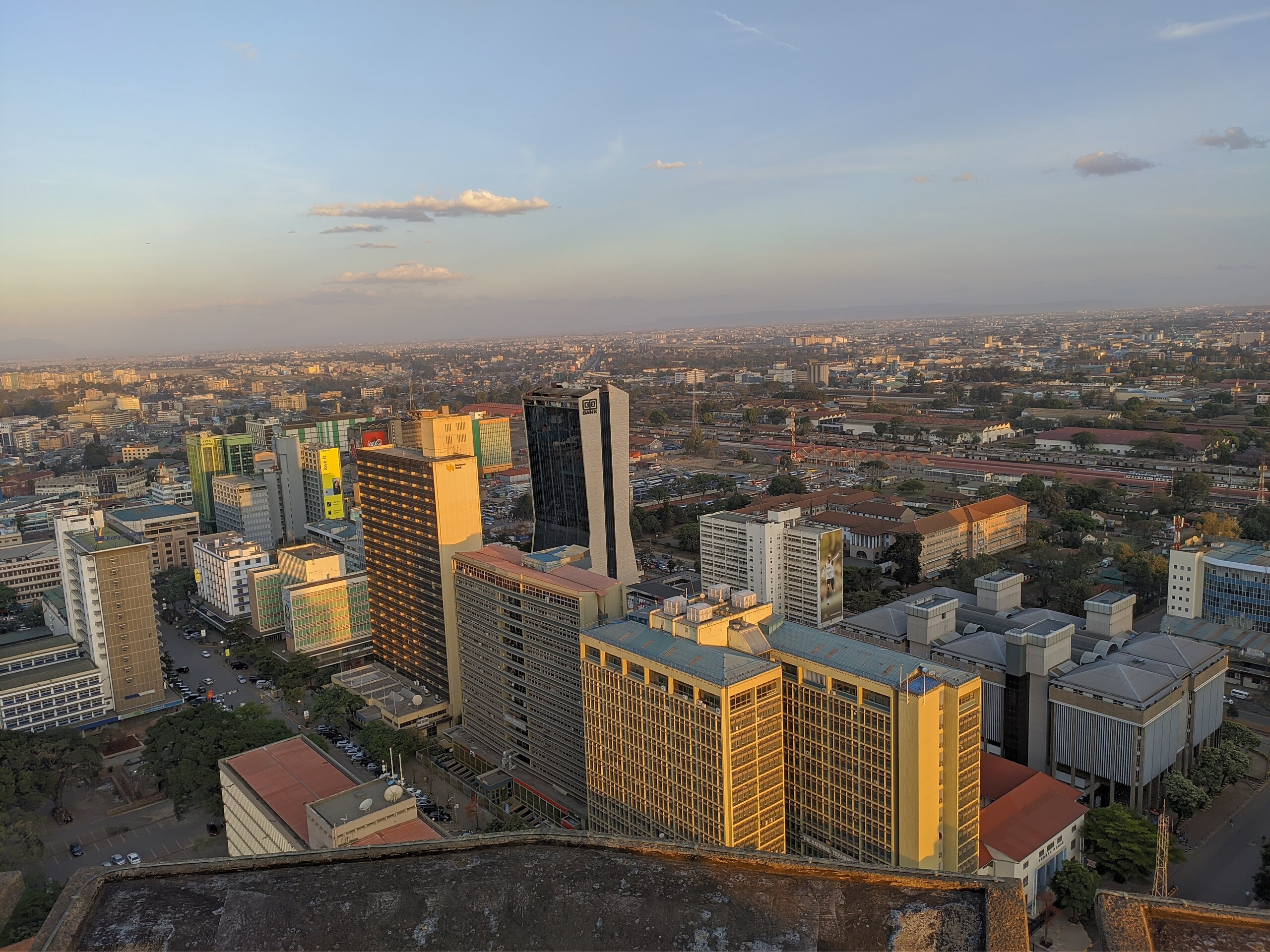
Karibu Homes, a low-cost housing project in Athi River near Nairobi, is at the centre of a safety scandal after visible structural cracks appeared in its apartment blocks. County officials say the developer occupied substandard buildings without a certificate of compliance, and homeowners now face possible eviction.
A promise of affordable homes turns sour
Karibu Homes was co-founded by Irfan Keshavjee and marketed as “affordable, well-constructed homes” for working families. An early case study said Shelter Afrique backed a plan for 1,000 units on 20 acres.
One 2020 report put prices from KSh1.6 million (about US$12,000) for a one-bedroom unit, KSh2.57 million (about US$20,000) for a two-bedroom and KSh3.48 million (about US$27,000) for a three-bedroom. Those prices made Karibu Homes one of the few formal housing options within reach of lower-income earners.
The project reportedly has 500 residential units across 63 apartment blocks in phases one and two. Residents say they have lived there for more than eight years, building lives and communities in what they believed were permanent homes.
Cracks, compliance and the threat of eviction
The current scandal centres on visible structural cracks in blocks at Karibu Homes. County officials say the developer occupied substandard buildings without a certificate of compliance.
That certificate is a legal requirement confirming a building meets safety and construction standards. Without it, the homes may be deemed unfit for occupation.
Homeowners now face possible eviction while the structural safety of their homes remains unresolved. The situation has left families in limbo, unsure whether to fight for repairs or prepare to leave.
The money behind Karibu Homes
Karibu Homes has been tied to foreign and private capital. Blue Haven Initiative said it invested US$1 million in the project.
Shelter Afrique, a pan-African housing finance institution, provided long-term funding for the 1,000-unit plan. That backing gave the project credibility among buyers and investors alike.
The involvement of international capital raises questions about oversight. Investors and lenders are now watching closely as the compliance dispute unfolds.
Kenya’s housing shortage and the cost of formal homes
The Karibu Homes crisis sits within Kenya’s severe housing shortage and the high cost of formal housing. One 2016 report said Karibu Homes’ cheapest one-bedroom cost KSh1.8 million (about US$14,000).
By comparison, the average asking price of a Kenyan home was about US$306,000, according to Hass Consult. That gap made low-cost projects like Karibu Homes essential for working families.
When such projects fail on safety grounds, the damage goes beyond individual homeowners. It undermines confidence in the entire affordable housing sector, which Kenya urgently needs to expand.
What this means for expats and investors
For expats and international investors, the Karibu Homes case is a cautionary tale about due diligence in Kenya’s property market. A project with reputable backers can still face serious compliance failures.
The dispute also highlights the importance of verifying certificates of compliance before buying or renting. Foreign buyers unfamiliar with local regulations are especially vulnerable.
The wider lesson connects to the broader scramble for African urban growth and housing. As cities expand, the pressure to build quickly can outpace safety enforcement, a theme explored in Africa: The New Scramble.
What to watch next
County officials and the developer must clarify whether the buildings can be certified safe or whether residents will be forced to leave. That decision will shape the fate of 500 households.
Homeowners are likely to demand structural assessments and, if necessary, legal action to protect their investments. The response from Shelter Afrique and Blue Haven Initiative will also be closely watched.
For now, the families of Karibu Homes wait in uncertainty. Their dream of affordable homeownership has become a daily reminder of how quickly a haven can turn into a death trap.
Frequently Asked Questions
What is Karibu Homes and where is it located?
Karibu Homes is a low-cost housing project in Athi River, near Nairobi, Kenya, co-founded by Irfan Keshavjee and marketed as affordable, well-constructed homes for working families.
Why are Karibu Homes residents facing eviction?
Visible structural cracks appeared in apartment blocks, and county officials say the developer occupied substandard buildings without a certificate of compliance, putting homeowners at risk of eviction.
How much did Karibu Homes units cost?
In 2020, prices ranged from KSh1.6 million (about US$12,000) for a one-bedroom unit to KSh2.57 million (about US$20,000) for a two-bedroom and KSh3.48 million (about US$27,000) for a three-bedroom.
Connected Coverage
Sources
This article was produced by The Rio Times’ automated newsroom system. How we use AI · Report an error
LatAm Markets: Live Signals → — real-time movers, turnover leaders and FX across Latin America.
Read More from The Rio Times