Jamaica Arrivals Fell Almost a Quarter in August and the Closed Hotels Are the Reason
JAMAICA · TOURISM
Key Facts
- —The fall International arrivals at Sangster International in Montego Bay fell 23.65% in August.
- —The numbers 166,325 passengers against 217,849 a year earlier, a loss of 51,524.
- —The year Commercial traffic at the airport is 2.62 million passengers so far, down 25.7%.
- —The markets The United States fell 28.73% and Canada 22.57%. The United Kingdom rose 12.12%.
- —The catch Fort Lauderdale collapsed 60.54% while Atlanta grew 8.79%. The routes are not behaving alike.
- —The cause A significant number of rooms in the western tourism belt remain out of service after Hurricane Melissa.
The airline capacity follows the room stock, not the other way round. Until western Jamaica’s hotels reopen, the arrivals numbers cannot recover.

Jamaica arrivals at the island’s main tourism airport fell by almost a quarter in August. The cause is not demand and it is not pricing.
It is that the hotels are not open. Sangster International in Montego Bay handled 166,325 international arrivals, against 217,849 a year earlier.
That is a fall of 23.65%, or 51,524 passengers. The Jamaica Gleaner reported the figures on Friday.
The Year So Far
Commercial traffic at the airport stands at 2.62 million passengers for the year to date. That is 25.7% below the same period of 2025.
This is one airport’s traffic rather than Jamaica’s national visitor count. The two are related but they are not the same measure.
Sangster is nonetheless the relevant airport for Jamaica arrivals. It serves Montego Bay, Negril and the western resort belt, where most large hotels are.
Kingston’s airport serves a different market. Business travel and diaspora visits have held up better than resort tourism.
Which Markets Moved
The United States fell 28.73%, to 245,739 passengers across the month. That is the single largest source market and the largest loss.
Canada fell 22.57%, to 34,323. Canadian winter traffic is seasonal and August is not its peak.
The United Kingdom rose 12.12%, to 32,980. Latin America rose 19.8%, to 22,106.
Those two increases are worth noting rather than celebrating. They are small bases growing while a large base contracts.
The Route Detail
Individual routes tell the story better than country totals. Fort Lauderdale fell 60.54%, to 19,500 passengers.
New York’s JFK fell 27.38%, to 45,083. Charlotte fell 27.55% and Orlando 26.48%.
Atlanta rose 8.79%, to 38,532. One major American route grew while the rest contracted sharply.
Airlines allocate aircraft to routes where the seats sell. A 60% collapse on one route and growth on another reflects where the surviving hotel capacity actually is.
Why the Hotels Decide
Sharon Hislop-Holt, the airport’s commercial director, put it plainly. Traffic, she said, depends on the reopening of the hotels that are closed.
That is the correct causal direction and it is often reported backwards. Airlines do not create demand for a destination with no rooms.
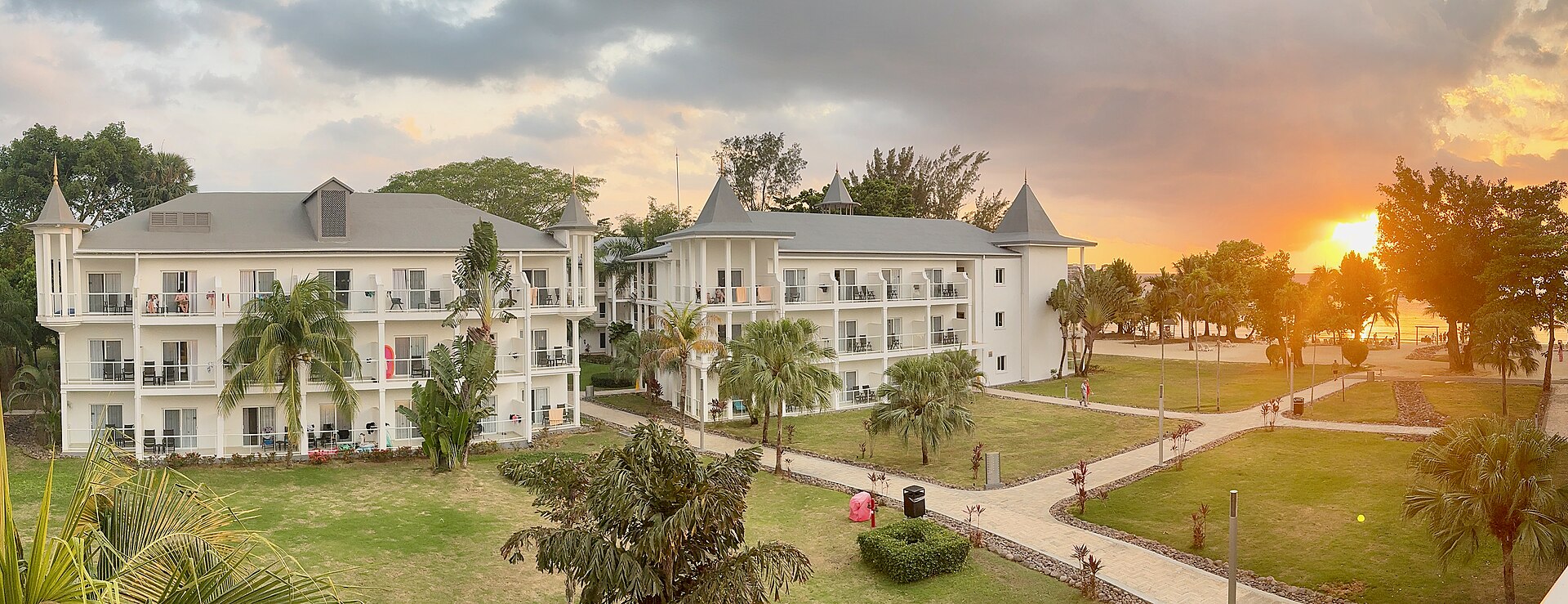
Hurricane Melissa damaged a significant number of rooms across the western tourism belt. The Gleaner does not give a percentage, and figures circulating elsewhere are not sourced to it.
Resort reconstruction is slow for structural reasons. Insurance assessment, contractor availability and building permits all have to align before work starts.
Jamaica’s tourism ministry has a strong incentive to project confidence. The airport’s own numbers are the harder measure, because they count people who actually flew.
What the Figures Do Not Show
Airport passenger counts and national visitor arrivals diverge for several reasons. Cruise passengers do not appear in them at all.
Jamaica arrivals by sea have their own dynamics, and cruise lines reroute faster than airlines. A port call can be moved in weeks; a hotel cannot.
Kingston’s Norman Manley airport is also excluded from these numbers. It serves business travel and diaspora visits rather than resorts.
So the 23.65% is a precise measure of one thing. It is the western resort economy, counted at its front door.
What This Costs
Tourism accounts for a large share of Jamaican foreign exchange earnings and employment. A quarter of arrivals is a substantial hole in both.
The effects reach past hotels. Taxi operators, craft vendors, tour operators and farmers supplying resorts all sit downstream of the arrivals number.
Jamaica’s recovery is therefore a construction problem before it is a marketing one. Rebuilding rooms restores flights; advertising without rooms does not.
The comparison that matters will be the winter season. December through March is when Jamaica earns most of its tourism income, and the room stock available by then sets the ceiling.
More: Jamaica news in English, every day from The Rio Times.
Frequently Asked Questions
How far did Jamaica’s arrivals fall?
International arrivals at Sangster International in Montego Bay fell 23.65% in August 2026, to 166,325 from 217,849 a year earlier.
Why are they falling?
Because a significant number of hotel rooms across western Jamaica remain out of service after Hurricane Melissa, so airlines have cut capacity.
Which routes were worst hit?
Fort Lauderdale fell 60.54% and New York JFK 27.38%. Atlanta was the exception, rising 8.79%.
Is this a national figure?
No. It is passenger traffic at one airport, which serves the western resort belt. It is not the same as Jamaica’s national visitor count.
Sources: Jamaica Gleaner.
This article was produced by The Rio Times’ automated newsroom system. How we use AI · Report an error
Read More from The Rio Times