India Offers Major Tariff Reduction to Secure Trade Deal with Trump
India has offered to sharply reduce its tariff gap with the United States, aiming to bring the average difference down to less than 4% from nearly 13%.
This proposal, reported by sources close to the negotiations, comes as India seeks an exemption from both current and potential U.S. tariff hikes under President Donald Trump.
The move represents one of the most significant changes to India’s trade policy in recent years and signals a practical shift in its approach to international trade.
India and the U.S. maintain a deep trade relationship, with bilateral trade reaching about $129 billion in 2024. India currently holds a $45.7 billion trade surplus with the U.S., making the American market vital for Indian exporters.
Trump’s administration recently announced a 90-day pause on new tariffs for several major trading partners, including a proposed 26% tariff on Indian goods. However, a 10% base tariff remains in effect during this negotiation period.
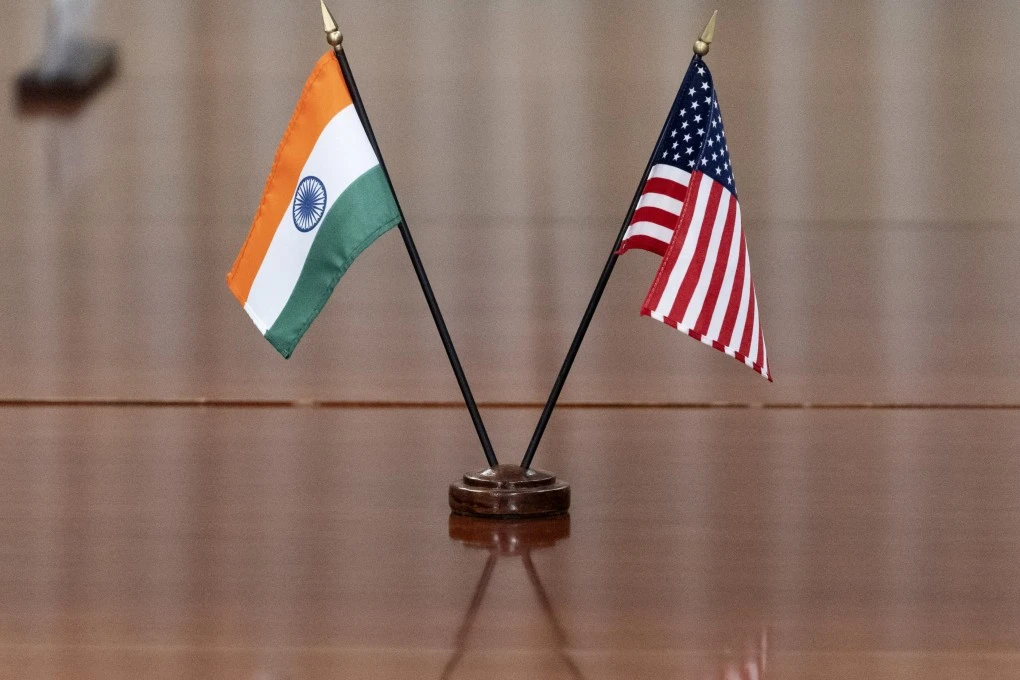
India and U.S. Move Toward Trade Agreement with Tariff Reductions
The Indian government has responded by offering to eliminate tariffs on 60% of tariff lines in the first phase of the agreement. It has also proposed preferential access for nearly 90% of U.S. goods imported into India.
In return, India seeks a clear exemption from all existing and future U.S. tariffs. This approach marks a departure from India’s historically protectionist stance, where average tariffs have stood at 17%, compared to the U.S. average of 3.3%.
Negotiators from both countries are moving quickly. Indian officials plan to visit the U.S. later this month to advance the talks. India has also requested preferential market access for its key export sectors, including gems and jewelry, leather, textiles, plastics, and chemicals.
The request extends to agricultural and marine products such as oilseeds, shrimp, and horticultural items like bananas and grapes. The urgency behind India’s offer stems from the risk that higher U.S. tariffs could disrupt its export-driven industries and threaten its trade surplus.
For the U.S., the deal would open access to the world’s fifth-largest economy while supporting American exporters. Trump’s recent agreement with Britain reduced average British tariffs on U.S. goods but maintained a 10% base tariff on British imports.
This deal may serve as a model for ongoing negotiations with India. Both sides appear motivated to reach a swift agreement, as the outcome will shape the future of trade between two of the world’s largest economies.
This article was produced by The Rio Times’ automated newsroom system. How we use AI · Report an error
Read More from The Rio Times