U.S. Trade Deficit Hits Record as Firms Rush Imports Before Tariffs Bite
The U.S. Census Bureau and the Bureau of Economic Analysis reported that the U.S. trade deficit soared to a record $140.5 billion in March 2025. This marks a 14% increase from February’s revised deficit of $123.2 billion.
The jump comes as American businesses rushed to import goods before new tariffs took effect in April. Imports reached a historic high of $419.0 billion in March, up 4.4% from the previous month. Goods imports alone rose 5.4% to $346.8 billion.
Exports also set a record at $278.5 billion, though the increase was modest at just 0.2%. The goods deficit hit $163.5 billion, its highest ever, while the services surplus slipped slightly to $23.0 billion.
The rush to import ahead of tariffs had a clear impact on the broader economy. Real net exports, which measure exports minus imports, fell sharply. The annualized rate dropped to minus $1.37 trillion in the first quarter of 2025.
This marks a decline from minus $1.05 trillion in the previous quarter. This import surge subtracted a record 4.83 percentage points from first-quarter GDP, pushing the U.S. economy into a 0.3% contraction-the first decline in three years.
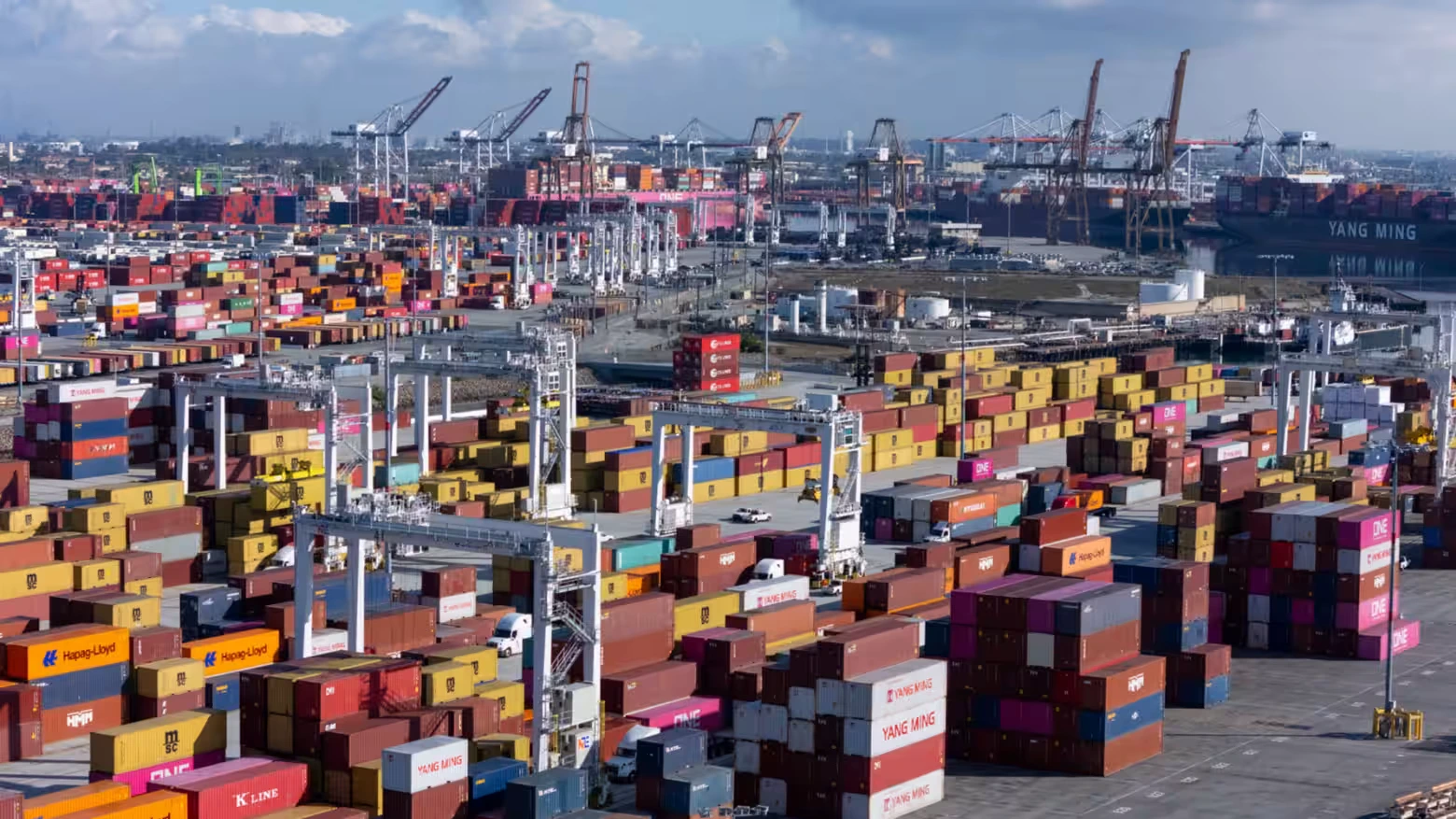
President Donald Trump’s tariff policy drove the import spike. The administration raised tariffs on Chinese goods to as high as 145%. Most new tariffs began in early April.
U.S. Trade Deficit Surges Ahead of Tariff Implementation
However, duties on Chinese imports took effect immediately, prompting a scramble by businesses to stock up before costs increased. Tariffs on other trading partners were delayed for 90 days, set to start in July unless further negotiations alter the timeline.
While the stated goal of these tariffs was to reduce the trade deficit, the immediate result proved the opposite. Companies accelerated imports to avoid higher costs, inflating the deficit to unprecedented levels.
Economists expect this front-loading effect to fade by May, which could lead to a drop in imports and potentially support a GDP rebound in the second quarter. However, the longer-term effects of the tariffs on both imports and exports remain uncertain.
The March trade figures highlight how policy changes can drive significant shifts in business behavior and the broader economy. The record deficit underscores the complexity of using tariffs as a tool to manage trade balances.
As the new tariffs take hold, all eyes will be on how U.S. trade flows adjust and whether the deficit narrows as intended, or if further disruptions emerge.
This article was produced by The Rio Times’ automated newsroom system. How we use AI · Report an error
Read More from The Rio Times