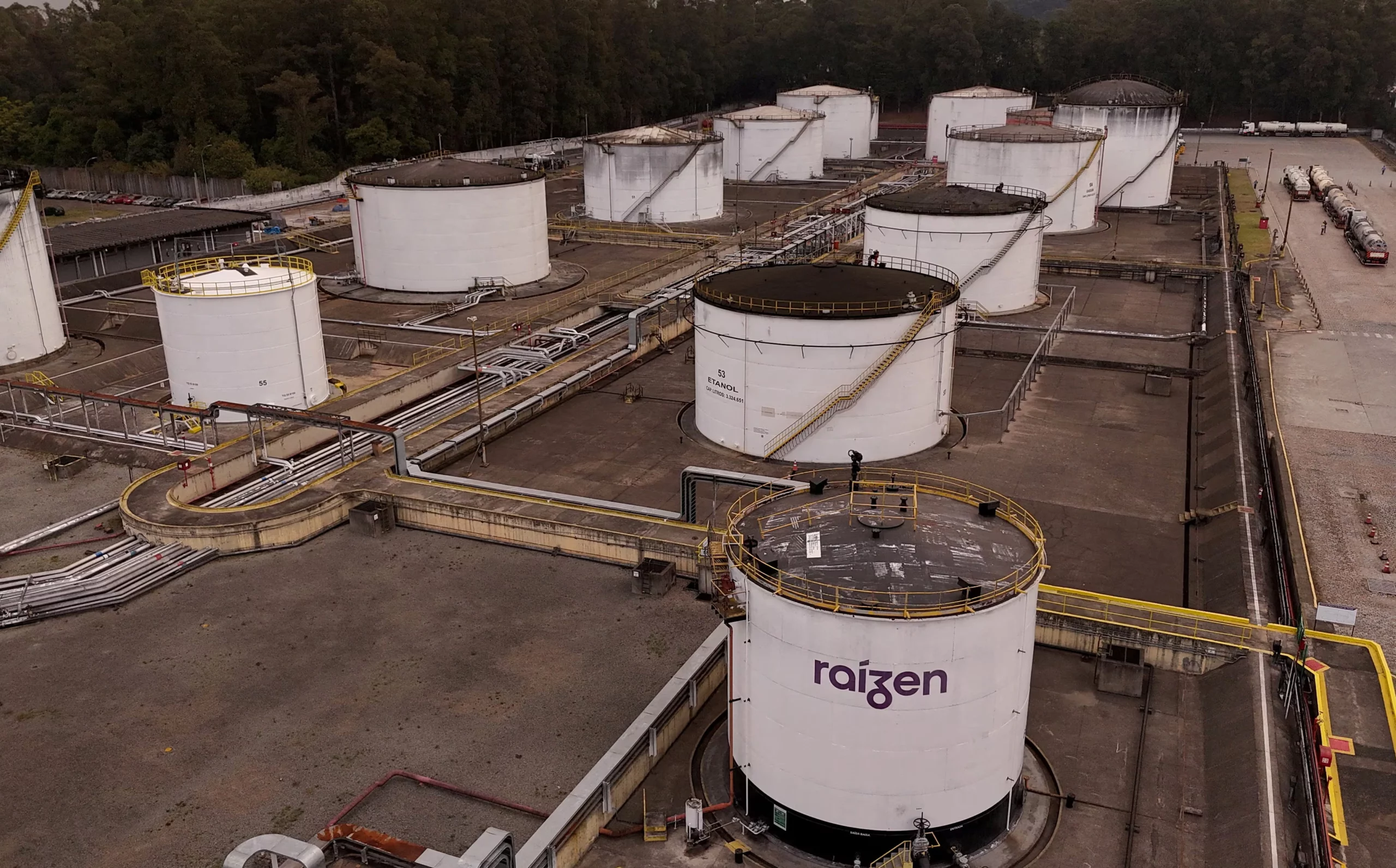
Brazil · Corporates
Key Facts
—The move. Buyout firm IG4 Capital has approached creditors of Brazil’s Raízen with an offer to buy their claims, according to reports.
—The goal. The plan is to acquire just over half of the debt being turned into shares, enough to control the company after its rescue.
—The company. Raízen is the Shell-Cosan joint venture and the world’s largest maker of sugarcane ethanol, with thousands of fuel stations.
—The backdrop. It is in the middle of the largest out-of-court debt restructuring in Brazil’s history, covering about R$65bn ($13bn).
—The precedent. IG4 recently took co-control of petrochemical maker Braskem through a similar creditor-debt play.
—The stakes. A successful bid would hand a single fund control of one of Brazil’s strategic energy companies.
A buyout firm has made a bold move to take over Raízen, betting that buying distressed debt is the fastest route to controlling one of Brazil’s biggest energy companies.
A new player has just walked into the biggest corporate rescue in Brazil’s history. The Brazilian buyout firm IG4 Capital wants to take control of Raízen.
According to reports, IG4 has written to the company’s creditors offering to buy their claims. The aim is to gather enough debt to end up running the business outright.
How a debt play becomes a takeover of Raízen
The tactic sounds technical but is simple at heart. Raízen’s rescue plan turns a large slice of its debt into new shares, handing creditors most of the company.
If one investor can buy just over half of that converting debt, it ends up with just over half of the shares. That is the prize IG4 is chasing.
The mechanics are striking. Under the plan, about forty-five percent of the restructured debt converts into stock at a low fixed price, leaving creditors with the bulk of the company.
One bank’s analysts estimate that conversion would hand lenders more than eighty percent of Raízen. Buying a controlling share of that pool is what would tip IG4 into the driving seat.
The firm plans to set up an investment fund to hold the stake, according to people cited in the reports. Creditors could take fund units, a cash payment, or a share of future gains.
IG4 now has to negotiate with each creditor in turn. Its pitch is that a fragmented group of lenders will have more clout if they pool their holdings behind one buyer.
Why this company is worth fighting for
Raízen is no ordinary distressed asset. It is the joint venture between oil major Shell and Brazil’s Cosan, and the largest producer of sugarcane ethanol in the world.
It runs thousands of filling stations and sits at the centre of Brazil’s biofuel industry. For an investor, control of such a company is a rare chance to buy scale cheaply.
The price is low for a reason. Years of debt-funded expansion collided with falling sugar prices, thin margins and sharply higher interest rates, pushing the company to the brink.
The restructuring it filed is the biggest of its kind ever seen in Brazil, covering roughly sixty-five billion reais, around thirteen billion dollars, of financial debt.
The current owners are not walking away empty-handed. Shell has pledged to inject three and a half billion reais, while a holding tied to Cosan’s founder may add another five hundred million.
Creditors have already largely backed the plan, with around eighty percent of affected debt signed up. That broad support is exactly what makes the pool of converting claims worth targeting.
Live Company IntelligenceRaízen S.A. — the full investor dossier
Valuation & profitability
Price & risk
$0.2152-wk high
$1.13
Revenue trend · 6y
Ownership
Dividend
A familiar playbook
For IG4, this is well-trodden ground. The firm recently took co-control of Braskem, a large petrochemical maker, by acquiring debt that banks held against its former owner.
In that case IG4 used a dedicated fund to gather just over half of the voting shares, then teamed up with oil company Petrobras to steer a financial and operational overhaul. The Raízen plan echoes it closely.
That deal made IG4 a force in distressed Brazilian assets almost overnight. The Raízen bid suggests it now sees the same opportunity in the country’s wider wave of corporate restructurings.
Nothing is settled. The conversion of debt into shares is expected to take place over about six months, and IG4 must still strike deals with enough creditors to reach control.
For a foreign reader, the episode shows how Brazil’s debt crunch is reshaping ownership. Distressed companies are quietly changing hands, and specialist funds are the ones moving in.
Frequently Asked Questions
What is IG4 trying to do with Raízen?
It has offered to buy creditors’ claims against the company, according to reports. By acquiring just over half of the debt that converts into shares, it could end up controlling Raízen after the rescue.
Why is Raízen in this position?
Years of debt-funded growth ran into weak sugar prices and high interest rates. The company is now in the largest out-of-court debt restructuring in Brazil’s history, covering about R$65bn ($13bn).
Has IG4 done this before?
Yes. It recently took co-control of the petrochemical maker Braskem using a similar strategy of buying creditor debt, which is what makes its move on Raízen so closely watched.
Connected Coverage
This article was produced by The Rio Times’ automated newsroom system. How we use AI · Report an error · Editorial responsibility: Matthias Camenzind, Editor-in-Chief
LatAm Markets: Live Signals → — real-time movers, turnover leaders and FX across Latin America.