How Eldorado Brasil Turned a 12% Revenue Drop Into a 16% Profit Surge in Q3 2025
In a quarter marked by falling pulp prices and currency volatility, Eldorado Brasil Celulose demonstrated the power of operational
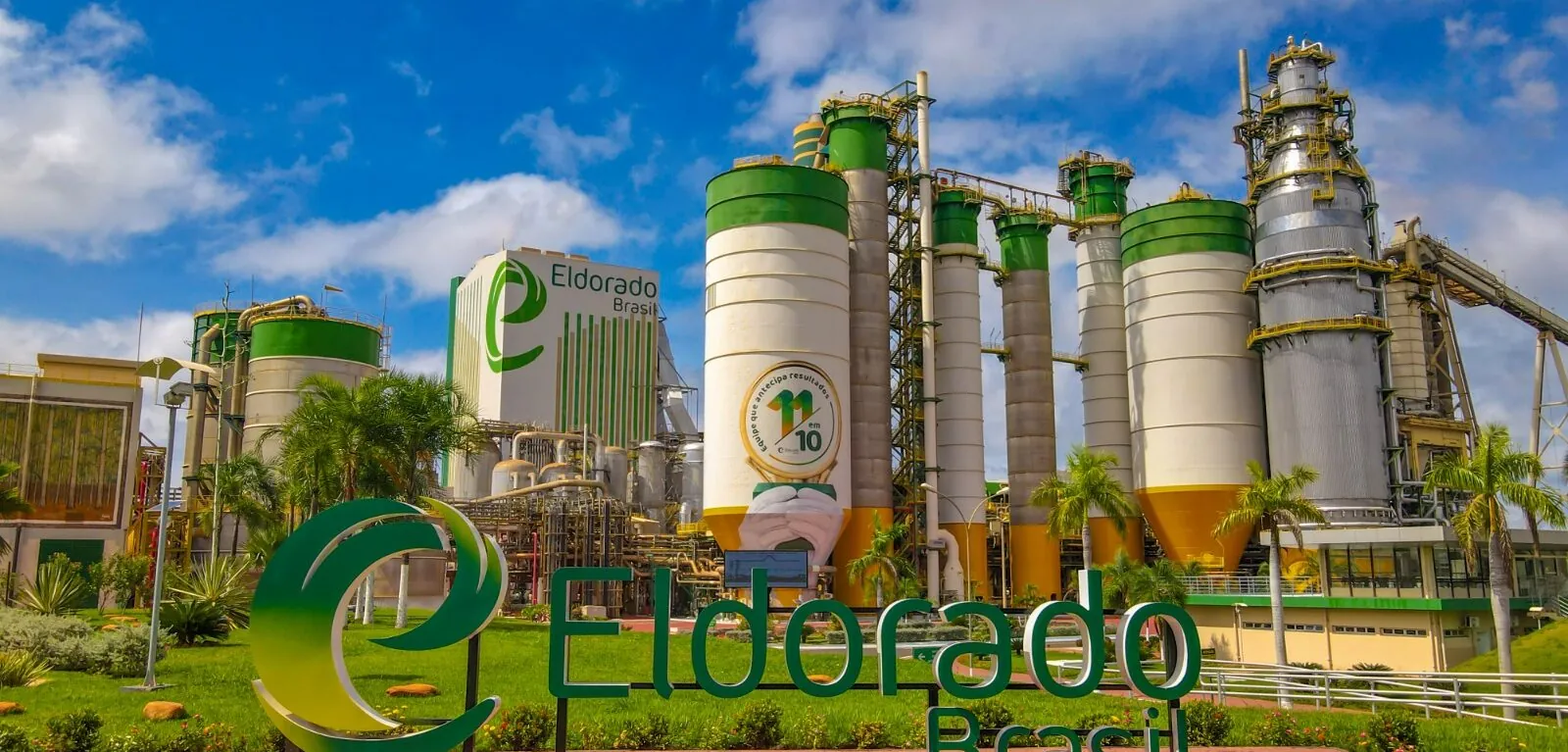
In a quarter marked by falling pulp prices and currency volatility, Eldorado Brasil Celulose demonstrated the power of operational efficiency and financial prudence, posting a 16% rise in net profit despite a 12% drop in revenue.
The company’s third-quarter results for 2025 underscore its ability to thrive in challenging conditions, offering a case study in how private enterprise can outmaneuver market adversity through discipline and strategic foresight.
Eldorado, one of the world’s largest pulp producers, reported net income of R$458 million ($92 million), up from the same period last year, even as revenue slipped to R$1.3 billion ($260 million).
The apparent paradox is explained by a combination of higher sales volumes, rigorous cost control, and a sharp reduction in financial expenses.
Sales of pulp surged 19% by volume, reaching 457,000 tons, but a 7% decline in average prices—driven by regional market shifts and a weaker dollar—weighed on top-line growth. Yet, the company’s cash cost per ton fell by 12%, a testament to its lean operations and commitment to efficiency.

The most striking achievement, however, was the company’s aggressive debt reduction. Net debt plummeted by 27% since June, landing at R$10.9 billion ($2.2 billion), while the leverage ratio improved significantly.
This focus on “liability management” reflects a broader philosophy of fiscal responsibility, a refreshing contrast to the profligacy often associated with state-backed or heavily subsidized enterprises.
Eldorado powers growth through discipline
Eldorado’s leadership made it clear: strengthening the capital structure and advancing deleveraging are top priorities, a stance that will likely resonate with investors wary of reckless spending.
Investments also surged, with R$393 million ($79 million) deployed in the quarter—a 48% increase from Q2—signaling confidence in long-term growth.
The company’s operations in Três Lagoas, Mato Grosso do Sul, remain a model of productivity and sustainability, generating renewable energy and supporting thousands of jobs without relying on government handouts.
Its ability to produce 1.8 million tons of pulp annually, while powering the equivalent of a city of 2.1 million people, highlights the potential of private-sector innovation to drive both economic and environmental progress.
The results arrive at a time when Brazil’s pulp and paper sector faces global competition and logistical hurdles. While some competitors have faltered under similar pressures, Eldorado’s performance suggests that market-oriented management, rather than state intervention or protectionist policies, is the key to resilience.
The company’s success stands as a rebuke to those who argue that strategic industries require heavy-handed government support to succeed.
Of course, challenges remain. The pulp market is cyclical, and currency fluctuations can erase gains overnight. But Eldorado’s ability to increase profitability while reducing debt and investing in its future offers a blueprint for how businesses can prosper in an unpredictable world.
In an era where ideological debates often overshadow economic realities, Eldorado’s story is a reminder that sound management, not political rhetoric, delivers results. For a country still grappling with the legacy of statist economic policies, that’s a lesson worth heeding.
Investments also surged, with R$393 million deployed in the quarter—a 48% increase from Q2—signaling confidence in long-term growth.
The company’s operations in Três Lagoas, Mato Grosso do Sul, remain a model of productivity and sustainability, generating renewable energy and supporting thousands of jobs without relying on government handouts.
Its ability to produce 1.8 million tons of pulp annually, while powering the equivalent of a city of 2.1 million people, highlights the potential of private-sector innovation to drive both economic and environmental progress.
The results arrive at a time when Brazil’s pulp and paper sector faces global competition and logistical hurdles. While some competitors have faltered under similar pressures, Eldorado’s performance suggests that market-oriented management, rather than state intervention or protectionist policies, is the key to resilience.
The company’s success stands as a rebuke to those who argue that strategic industries require heavy-handed government support to succeed. Of course, challenges remain. The pulp market is cyclical, and currency fluctuations can erase gains overnight.
But Eldorado’s ability to increase profitability while reducing debt and investing in its future offers a blueprint for how businesses can prosper in an unpredictable world.
In an era where ideological debates often overshadow economic realities, Eldorado’s story is a reminder that sound management, not political rhetoric, delivers results. For a country still grappling with the legacy of statist economic policies, that’s a lesson worth heeding.
This article was produced by The Rio Times’ automated newsroom system. How we use AI · Report an error · Editorial responsibility: Matthias Camenzind, Editor-in-Chief
LatAm Markets: Live Signals → — real-time movers, turnover leaders and FX across Latin America.