From Data Centers to Smart Nation: Singapore’s High-Tech Transformation
Singapore plans to boost its data center capacity by 35%, focusing on sustainability. With over 70 data centers, the city-state will soon add 300 megawatts of new capacity.
Additionally, 200 megawatts will come from green energy. This expansion aligns with Singapore’s goal of leading in sustainable digital infrastructure.
Senior Minister Janil Puthucheary highlights the importance of eco-friendly data centers. These centers will use energy-efficient cooling and partner with low-carbon energy providers.
This initiative follows the 2022 lifting of a moratorium on new data centers, initially imposed due to environmental concerns.
Beyond data centers, Singapore aims to become the world’s first integrated smart nation. Despite its small size, the country uses advanced technologies to tackle urban challenges.
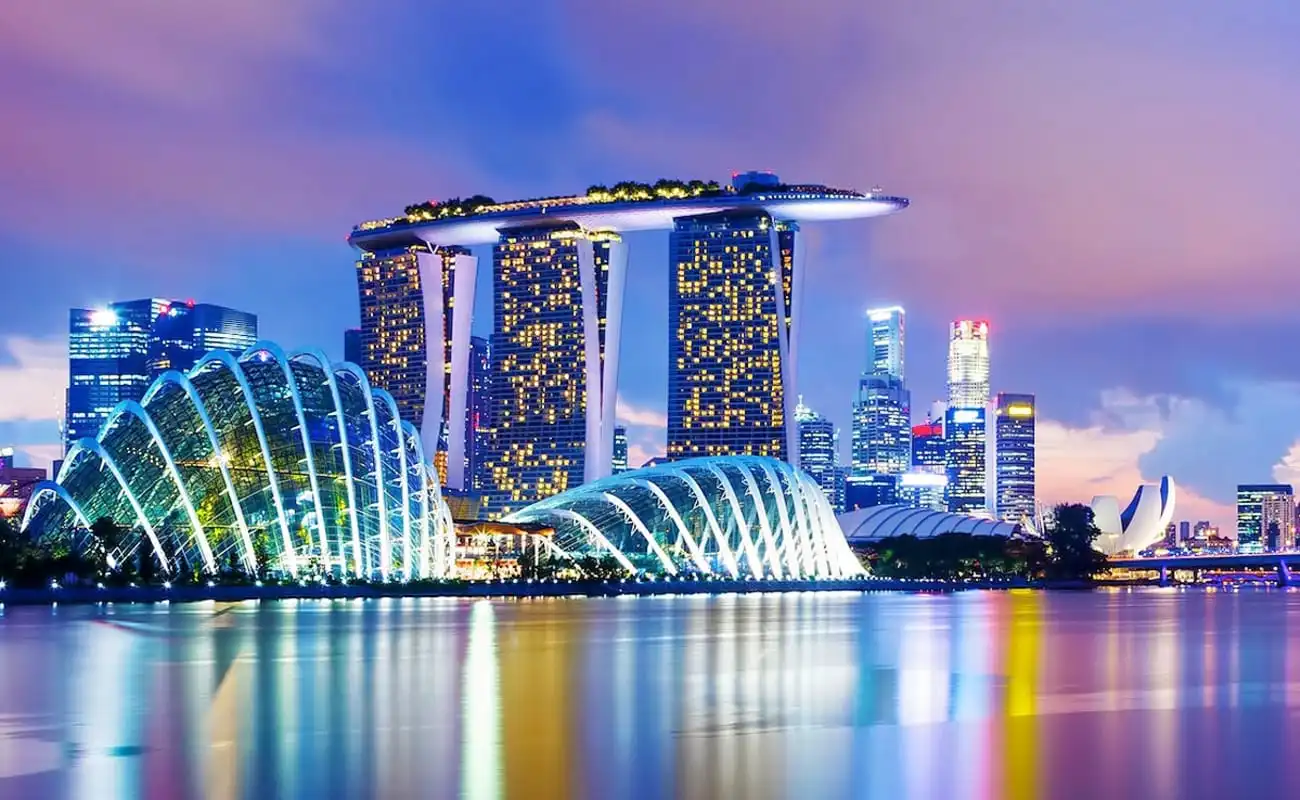
These include traffic, waste management, energy efficiency, and public health. The government, collaborating with the private sector, rolls out various smart city projects.
Key components of the Smart Nation initiative include smart healthcare, transportation, analytics, housing, connectivity, and cybersecurity.
The Smart Health-Assist project helps older people live independently with sensors and telehealth.
The Land Transport Authority improves transport with real-time traffic information and explores autonomous vehicles.
The Infocomm Development Authority (IDA) makes government data accessible for better public services and aims to position Singapore as an international data hub.
Singapore’s commitment to sustainability shows in its water and energy management efforts. Programs like SolarNova promote solar energy, while smart water grids optimize water usage.
The Housing and Development Board (HDB) develops smart, sustainable districts with sensor-controlled lighting and pneumatic waste systems.
OpenAI Partnership
Additionally, in a significant AI move, Grab Holdings partnered with OpenAI to enhance its app.
This first Southeast Asia partnership for OpenAI aims to improve app accessibility for the visually impaired and older people.
Grab uses OpenAI’s text, voice, and image recognition technologies to boost app navigation and customer support.
Grab, operating in eight Southeast Asian markets with nearly 40 million users, already uses AI to optimize services.
Generative AI will further transform operations, enhancing service quality and efficiency.
CEO Anthony Tan notes AI’s potential to streamline content creation and cost management, aiding the company’s path to profitability.
Singapore’s approach to smart city development, sustainable infrastructure, and AI integration positions it as a global urban innovation leader.
These ambitious plans aim to improve life quality and set a model for other nations seeking sustainability and technological advancement.
This article was produced by The Rio Times’ automated newsroom system. How we use AI · Report an error
Read More from The Rio Times