France’s Interim Government: Navigating Uncharted Waters
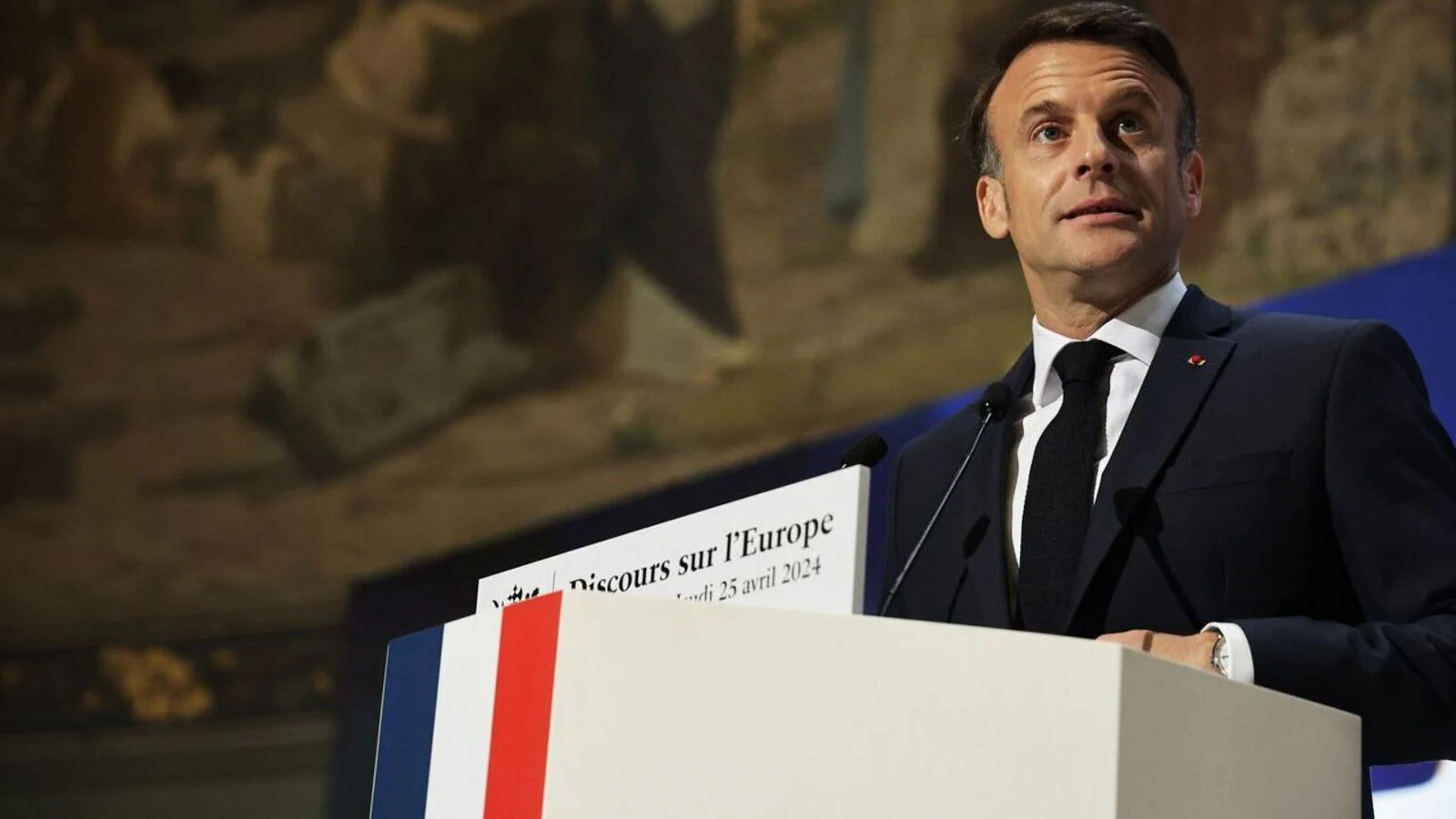
On Tuesday, French President Emmanuel Macron announced a provisional administration, set to function until a new prime minister is appointed.
This follows Gabriel Attal’s resignation, although he will remain in a caretaker capacity with constrained authority.
Macron’s office emphasized the need for unity, stating, “Efficient resolution relies on bipartisan collaboration to champion causes beneficial to the French populace.”
This setup is crucial, allowing ministers to vote this Thursday for the National Assembly‘s head, who manages legislative debates and is pivotal during crises.
Tasked with routine and urgent matters, this interim government cannot convene cabinet meetings, propose bills, or make fiscal decisions.
Judicial review could void its legislative efforts, underscoring the precarious nature of its powers.
Political Turbulence in France
Melody Mock-Gruet of Sciences Po notes the interim setup lasts until a stable government is established. It’s immune to dismissal via no-confidence votes and has no fixed duration.
However, it’s expected to dissolve before the 2025 budget discussions in September, which will coincide with the Paris Olympics, complicating operations further.
Macron’s recent decision to hold early elections backfired, losing his coalition over 80 seats while Marine Le Pen’s far-right faction surged to 143 seats.
The dominant, yet fragmented, Popular Front is struggling to unify around a prime ministerial candidate.
Factions range from moderate socialists to the radical La France Insoumise, who remain at odds.
Although the president has the constitutional right to appoint the prime minister, Macron aims for a candidate with widespread appeal.
This candidate should be able to withstand potential no-confidence motions and garner ad hoc majorities.
Legally unable to initiate another election for a year, he has vowed to serve out his term until 2027.
For investors, the political instability poses challenges to dismantling Macron’s pro-market reforms, such as the fixed capital gains tax and reduced wealth tax.
Despite holding the majority, the left lacks the numbers to fully implement their policies. These policies include raising the minimum wage and reversing pension reforms.
The looming budget vote in September could further strain governmental functionality, representing a potentially minimal adverse scenario for the market.
This article was produced by The Rio Times’ automated newsroom system. How we use AI · Report an error
Read More from The Rio Times