Festival de Inverno Rio Brings Ten Nights of Brazilian Music to the Bay

Culture
Key Facts
—The dates. The ninth edition runs across six concert nights over two weekends, July 24-26 and July 31-August 2, 2026.
—The venue. All shows are at the Marina da Glória, on the Guanabara Bay waterfront in the Glória district, walkable from the Zona Sul.
—The scale. More than thirty acts across genres, from rock and MPB to funk, samba and pop.
—Tickets. Sold through the Bilheteria Digital site and app, with entry from R$160 ($30).
—Why it matters. It anchors a winter events calendar the city expects to move around $1.4 billion through the local economy.
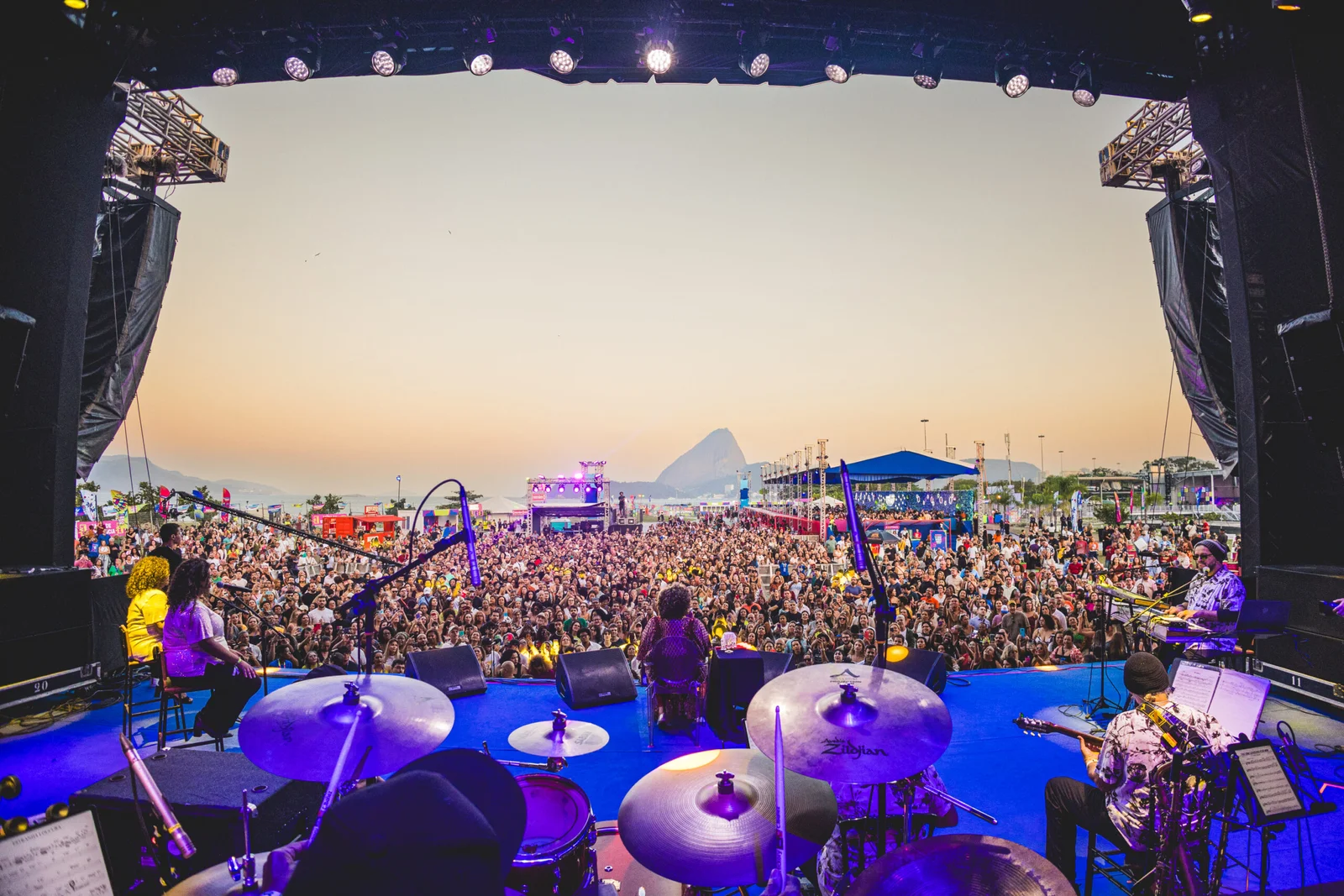
The Festival de Inverno Rio returns to the Marina da Glória this month. It turns the coldest stretch of the carioca year into ten nights of live Brazilian music on the edge of Guanabara Bay. For a visitor or foreign resident, it is one of the easiest big cultural nights to plan around.
Now in its ninth edition, the festival runs from July twenty-four to August two, with concerts on six of those nights. The two weekends carry deliberately different moods. So you can pick the one that matches your taste rather than committing to the whole run.
What the Festival de Inverno Rio lineup looks like
The first weekend leans into nostalgia and classic Brazilian songwriting. The opening Friday pairs veteran names in duets. The Saturday is given over to Brazilian rock, with Titãs and Capital Inicial among the headliners, and the Sunday closes with a trio of leading women singers.
The second weekend shifts toward pop, funk and samba. Ludmilla, Luisa Sonza and Marina Sena headline the Friday. Seu Jorge, a name many foreign listeners will know from film soundtracks, appears with the rapper Marcelo D2 on the closing Sunday.
Beyond the music, organizers promise a pavilion of experiences and a large food court, and the event bills itself as fully accessible for visitors with disabilities. Gate times differ by day, opening at seven in the evening on Fridays, five on Saturdays and three on Sundays.
The split-weekend format is a useful feature for anyone planning around a short trip. Rather than a single blockbuster night, the festival spreads its strongest names across six evenings. That keeps ticket demand and crowd sizes more manageable than a one-off stadium show.
For newcomers, the mix is also a gentle introduction to the range of Brazilian popular music. In a single run you can hear the country’s classic songwriting, its rock heritage and the funk and pop sounds on its charts today, all within walking distance of the water.
Why the timing matters for the city
Rio has spent years trying to turn its winter into a proper season, rather than a quiet lull between summer and Carnival. The Festival de Inverno Rio is one anchor of that push, alongside marathons, book fairs and business summits that fill hotel rooms in the middle of the year.
The hotel industry watches these dates closely for exactly that reason. The state hotel association has flagged the festival, together with events at other large venues, as a driver of occupancy in July and August, when demand would otherwise soften.
The cooler weather is part of the appeal rather than a drawback. Carioca winter evenings sit around twenty degrees Celsius, warm by European standards. The milder air tends to deliver the year’s clearest views from Christ the Redeemer and the Sugarloaf cable car.
There is a wider payoff for the city in spreading visitors across neighborhoods and weeks. Events like this pull business travelers and holidaymakers into different parts of Rio outside the summer beach peak. The tourism board treats that pattern as a deliberate strategy rather than a happy accident.
Getting there and planning your night
The Marina da Glória sits beside the Flamengo Park waterfront, within reach of the historic center, Lapa and the Zona Sul beach neighborhoods. On busy nights, the metro, a rideshare app or even a walk from a nearby point is often more practical than driving into the area.
Tickets are handled through the Bilheteria Digital platform, with prices from R$160 ($30) and rising for premium sectors and multi-day passes. Because lineups and gate times can change, the safest move is to confirm details on the official channels before you buy and travel.
When is the Festival de Inverno Rio 2026?
It runs from July twenty-four to August two, 2026, with concerts on six nights split across two weekends. The shows take place at the Marina da Glória in the Glória district of Rio de Janeiro.
How much do tickets cost?
Entry starts at R$160, about thirty dollars, with higher prices for premium sectors and multi-day passes. Tickets are sold through the Bilheteria Digital website and app.
Is the festival worth it for a foreign visitor?
It is a strong choice for anyone who wants a broad sweep of Brazilian music in one place, in an easy-to-reach bayfront setting during the mild winter season. The two weekends have distinct identities, so you can pick the nights that suit your taste.
Connected Coverage
Rio Turns Its Winter Into a $1.4 Billion Tourist Season
Why the Americas’ Biggest Anime Festival Is Held in Brazil
Rio Creative Economy Summit Pumped $99m Into the City, Study Finds
Frequently Asked Questions
When and where does the Festival de Inverno Rio 2026 take place?
The festival runs across six concert nights over two weekends, July 24–26 and July 31–August 2, 2026. All shows are at the Marina da Glória on the Guanabara Bay waterfront in Rio's Glória district, walkable from the Zona Sul beach neighborhoods.
How much do tickets cost and where can I buy them?
Tickets start at R$160 (about $30), with higher prices for premium sectors and multi-day passes. You can buy them through the Bilheteria Digital website and app.
Who are some of the artists performing at the festival?
The lineup includes Titãs and Capital Inicial on the rock-focused Saturday of the first weekend, plus Ludmilla, Luisa Sonza and Marina Sena headlining the second Friday. Seu Jorge appears alongside rapper Marcelo D2 to close the festival on the final Sunday. More than thirty acts in total span rock, MPB, funk, samba and pop.
This article was produced by The Rio Times’ automated newsroom system. How we use AI · Report an error · Editorial responsibility: Matthias Camenzind, Editor-in-Chief
In depth