Exports Slump, Imports Rise: Colombia’s Trade Imbalance Widens
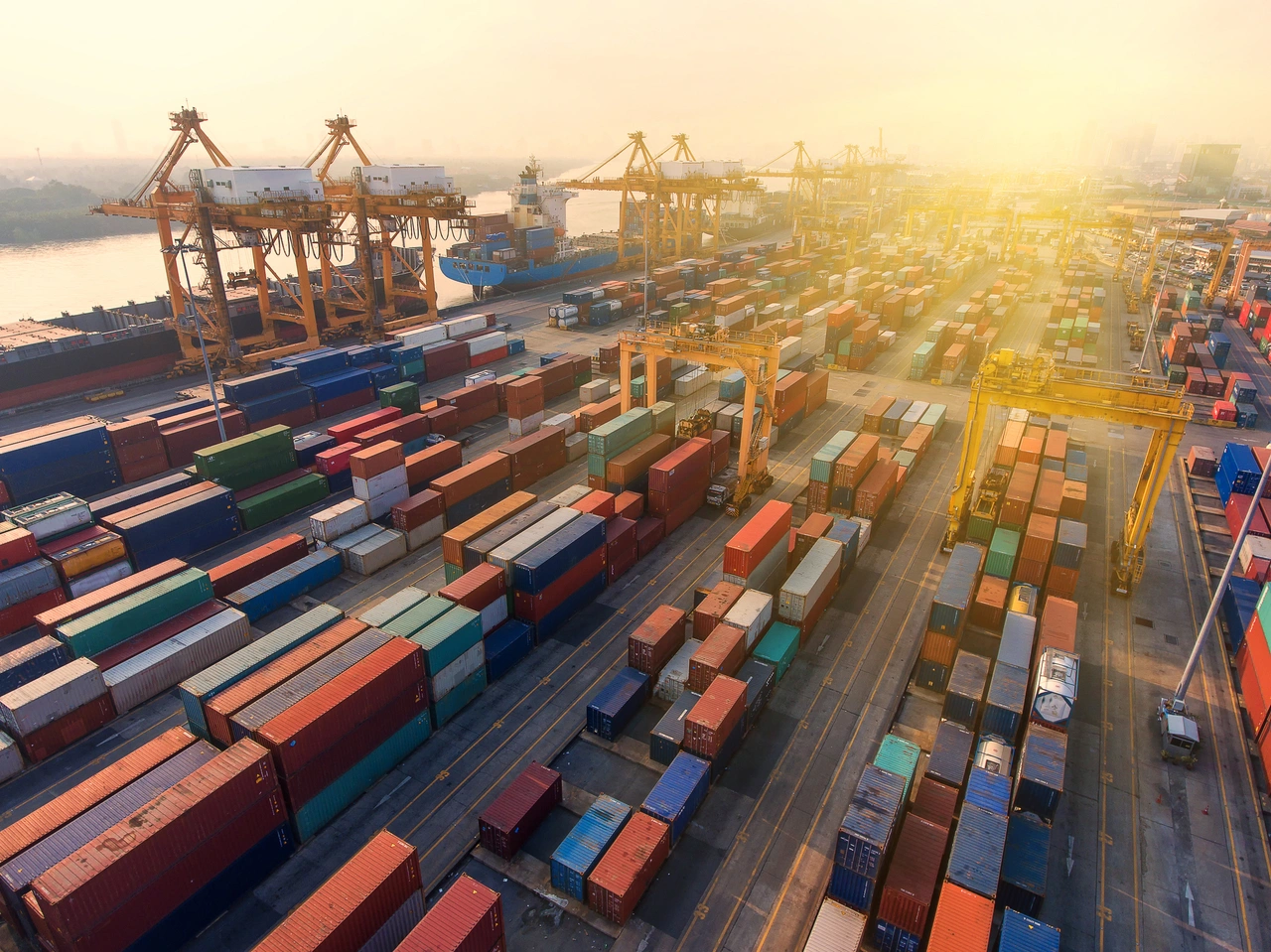
Colombia’s trade deficit hit $9.978 billion in November 2024, up from $9.132 billion a year earlier, DANE reports. This widening gap signals growing economic challenges for the nation.
Exports fell to $45.075 billion for January-November 2024, down from $45.321 billion in 2023. The fuel and extractive industries saw significant declines, reflecting global market pressures on key exports like oil and coal.
Imports, however, rose to $55.054 billion, compared to $54.453 billion the previous year. November 2024 alone saw a 13.7% jump in imports, driven by a 17.2% surge in manufacturing. This trend underscores Colombia‘s growing dependence on foreign goods.
The country has faced trade deficits since 2013, with recent years seeing shortfalls over $10 billion annually. This persistent imbalance highlights the urgent need for economic diversification and improved global competitiveness.
[arve url=”https://www.riotimesonline.com/wp-content/uploads/2025/01/Gen-3-Alpha-Turbo-2310797291-Cropped-bright_20i-M-5.mp4″ loop=”true” autoplay=”true” /]
Several factors fuel this trade gap. Commodity price swings impact export earnings, while peso fluctuations affect trade competitiveness. Government policies and international trade agreements also shape import-export dynamics.
This widening deficit presents both risks and opportunities. It emphasizes the need for a more diverse, resilient economy. Boosting productivity in key sectors and promoting non-traditional exports could help rebalance trade.
Colombia’s economic future depends on tackling these trade challenges head-on. The nation must strategically leverage its resources and talent to compete globally. Only through focused efforts can Colombia hope to reverse its trade deficit and strengthen its economic position.
More: Colombia news in English, every day from The Rio Times.
This article was produced by The Rio Times’ automated newsroom system. How we use AI · Report an error · Editorial responsibility: Matthias Camenzind, Editor-in-Chief
In depth