Europe Intelligence Brief — Tuesday, June 9, 2026
Executive Summary
Europe Intelligence Brief for Tuesday: German industrial output rose far less than hoped, May inflation split wide open across the continent, and a falling oil price handed Europe sudden relief.
One energy shock is splitting Europe apart. Germany’s factories barely grew this morning, while inflation jumped sharply in the Netherlands, Spain, and Italy.
The same Middle East oil spike that lifted prices is now easing, as the crude price falls on hopes of calm. Each country is sitting at a different point in the same storm.
Today’s Europe Intelligence Brief covers the region’s finance, markets, economy, and politics. We pulled it together from German, French, Italian, Spanish, Dutch, and English sources.
Germany — The Factory Engine Sputters Again
A Weak Recovery
German industrial output rose just 0.4% in April, less than forecasters had hoped. It was the first monthly gain in five months, but a small one.
Output is still running about 12% below where it sat before the pandemic. Economists called the rise simply too little to cheer.
Two Days, Two Disappointments
The figure landed a day after factory orders fell 3.8% in April. Together they paint a picture of an industry stuck in neutral.
The hoped-for lift from Chancellor Merz’s spending plans has yet to arrive. Europe’s largest economy is still searching for momentum.
Europe — One Shock, Many Prices
A Continent Splitting
The same energy shock is hitting Europe’s prices in very different ways. Inflation in May reached 3.6% in Spain, 3.4% in the Netherlands, and 3.3% in Italy.
Germany was the outlier, easing to 2.7%. Costly energy, up sharply on the Middle East conflict, is the common thread.
A Squeeze on Households
For families, the gap is stark depending on where they live. A Dutch or Spanish household feels a far tighter squeeze than a German one.
The wider eurozone rate hit 3.2%, the highest since late 2023. It is the clearest sign that one shock can land unevenly.
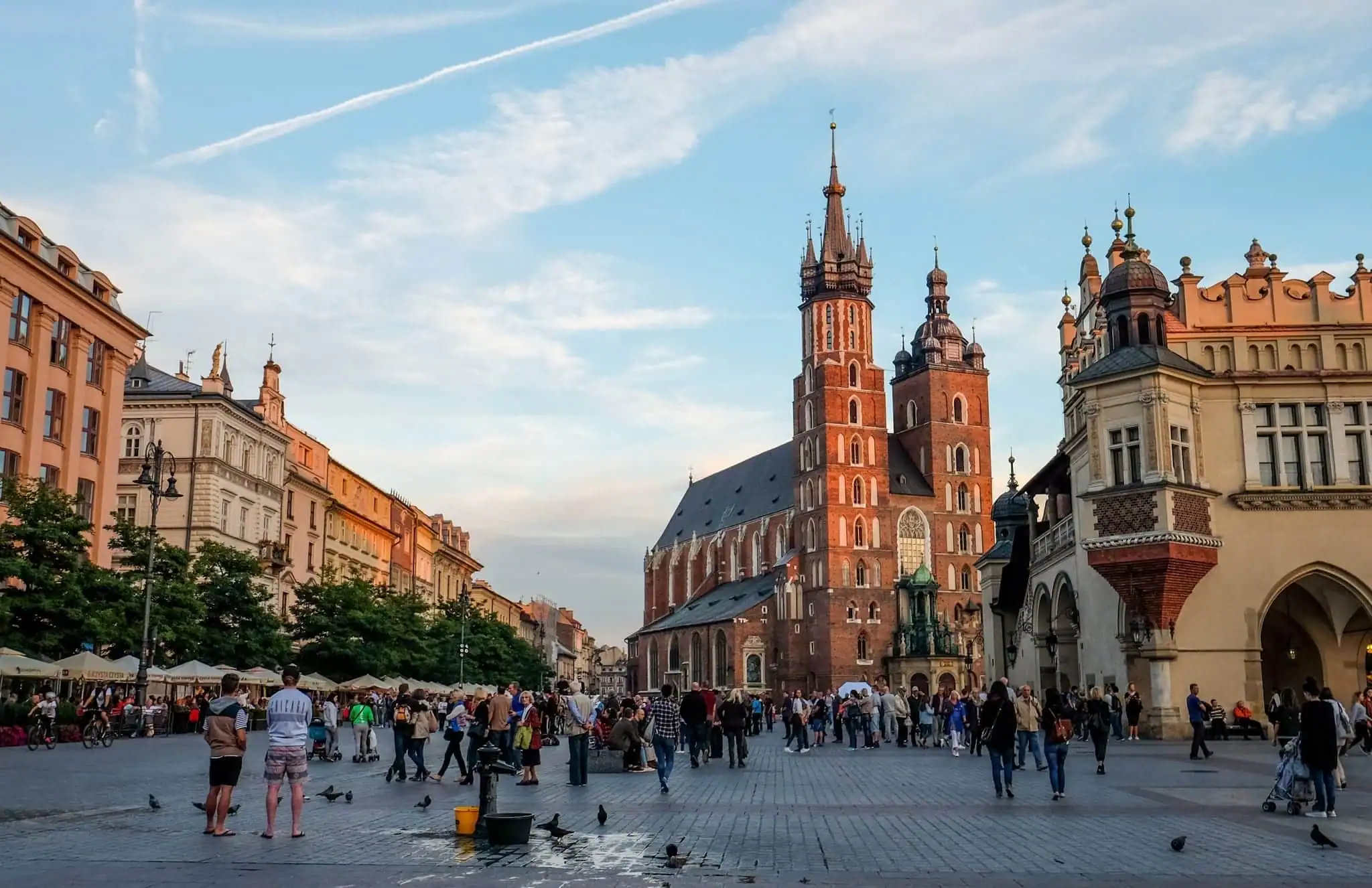
The Netherlands — Europe’s Sharpest Price Jump
A Sudden Leap
Dutch inflation jumped to 3.4% in May, up from 2.5% the month before. That near one-point rise was the biggest among Europe’s major economies.
Energy and services prices drove the climb. The shock arrived fast for a country used to steadier prices.
Strong, but Strained
The Netherlands remains one of the region’s steadier growers, expanding about 1.3%. Its public finances and jobs market are in good shape.
Yet the price spike is a real new strain on a strong performer. It shows even healthy economies are not immune to the energy shock.
Spain — Still Outrunning the Continent
A Growth Standout
Spain grew 0.6% in the first quarter and is set to expand about 2.4% this year. That keeps it well ahead of the eurozone pack.
Unemployment is heading below 10% for the first time since 2008. Strong jobs and steady spending are powering the run.
The Price It Pays
Yet Spain also has the highest inflation among the big economies, at 3.6%. Fast growth and dear energy are pushing prices up together.
It is the growth-versus-prices tension in a single country. For now, the growth is winning, but the squeeze is real.
Europe — The Oil Turn Brings Relief
A Welcome Fall
The price of oil dropped toward $91 a barrel today, down more than 3%. Iran and Israel agreed to halt their attacks, easing fears of a wider conflict.
That is real relief for a continent that imports most of its energy. Cheaper crude could slowly cool the inflation that has gripped every country.
One Catch Remains
The relief is not complete, though. The Strait of Hormuz, a key shipping lane for oil, stays effectively closed.
So the price could swing again if the calm breaks. For now, a cheaper barrel is the best news Europe has had in weeks.
France — Calm Returns After the Budget
Steadier Ground
France looks calmer now that its 2026 budget has finally passed. The extra cost the country pays to borrow over Germany has fallen back.
It has returned to levels last seen in mid-2024, before the snap-election turmoil. Investors have taken heart in the new stability.
Slow but Stable
The relief does not fix everything, though. France’s growth still lags the region at about 1.1%, and a new central-bank chief is yet to be named.
The deficit remains high at around 5% of output. Calm has returned, but the hard work on the public finances has not gone away.
Rates — Pressure on the Most Exposed
A Decision Looms
Europe’s central bank is expected to raise interest rates this week. The move would aim to cool the inflation now running well above target.
A higher rate lands hardest on the most stretched economies. Borrowers in Spain, Italy, and the Netherlands would feel it most.
An Uneven Burden
The same rate rise hits each country differently. Where prices and debts are higher, the squeeze on households is tighter.
It is the flip side of the energy shock that pushed prices up. Cooling them now means added cost for those already strained.
Germany — Exports Defy the Gloom
A Surprise Gain
Amid the weak factory data, German exports offered some good news. They rose 0.9% in April, against forecasts for a fall.
Construction activity also climbed 2.4% in the month. They were rare bright spots in an otherwise soft report.
Where Resilience Lies
The export strength shows Germany can still sell to the world. Demand from beyond Europe held up better than feared.
It is not enough to turn the whole picture around. But it points to where the country’s resilience still lies.
The Read
German industrial output rose just 0.4% in April, a feeble first gain in five months that landed a day after factory orders fell 3.8%, leaving Europe’s largest economy still stuck. The hoped-for lift from Chancellor Merz’s spending plans has yet to arrive, though exports and construction offered rare bright spots.
The day’s bigger story is divergence: one energy shock has split Europe’s prices wide open, with May inflation reaching 3.6% in Spain, 3.4% in the Netherlands, and 3.3% in Italy, while Germany eased to 2.7%. Spain keeps outrunning the continent on growth even as it tops the inflation table.
A falling oil price, down toward $91 on the Iran-Israel pause, now hands Europe sudden relief from the spike that drove every price rise, even as France steadies after passing its budget. The thread of the day is one shock landing very differently across the continent.
What to Watch
- Today · German industrial output rises just 0.4%, below hopes
- Today · May inflation splits Europe: Spain 3.6%, Netherlands 3.4%, Germany 2.7%
- Today · The oil price falls toward $91 on hopes of calm
- Today · German exports surprise with a 0.9% rise
- This week · Europe’s central bank expected to raise interest rates
- Ongoing · France steadier after its budget passed, governor still to be named
- Ongoing · Spain outrunning the region while topping the inflation table
- Ongoing · The Strait of Hormuz still effectively closed
This article was produced by The Rio Times’ automated newsroom system. How we use AI · Report an error · Editorial responsibility: Matthias Camenzind, Editor-in-Chief
LatAm Markets: Live Signals → — real-time movers, turnover leaders and FX across Latin America.
Read More from The Rio Times