Brazil · Companies
Key Facts
—Thermal generation. Rose 46% to 2,230 GWh in Q2 2026 versus a year earlier.
—Total gross generation. Climbed 35% to 2,537 GWh, driven by higher thermal dispatch.
—Natural gas production. Increased 27% to 0.47 billion cubic meters, led by the Parnaíba complex.
—Average dispatch rate. Reached 20%, up from 15% a year ago; own-gas assets reached 47% at the Parnaíba complex and 60% at Jaguatirica.
—Preliminary net profit. One source cites R$20.3 million (US$4 million), reversing a prior-year loss.
Eneva second quarter operating figures show thermal power generation surged 46%, confirming stronger dispatch of the Brazilian energy firm’s gas-fired plants, though full audited financial results are not yet available.
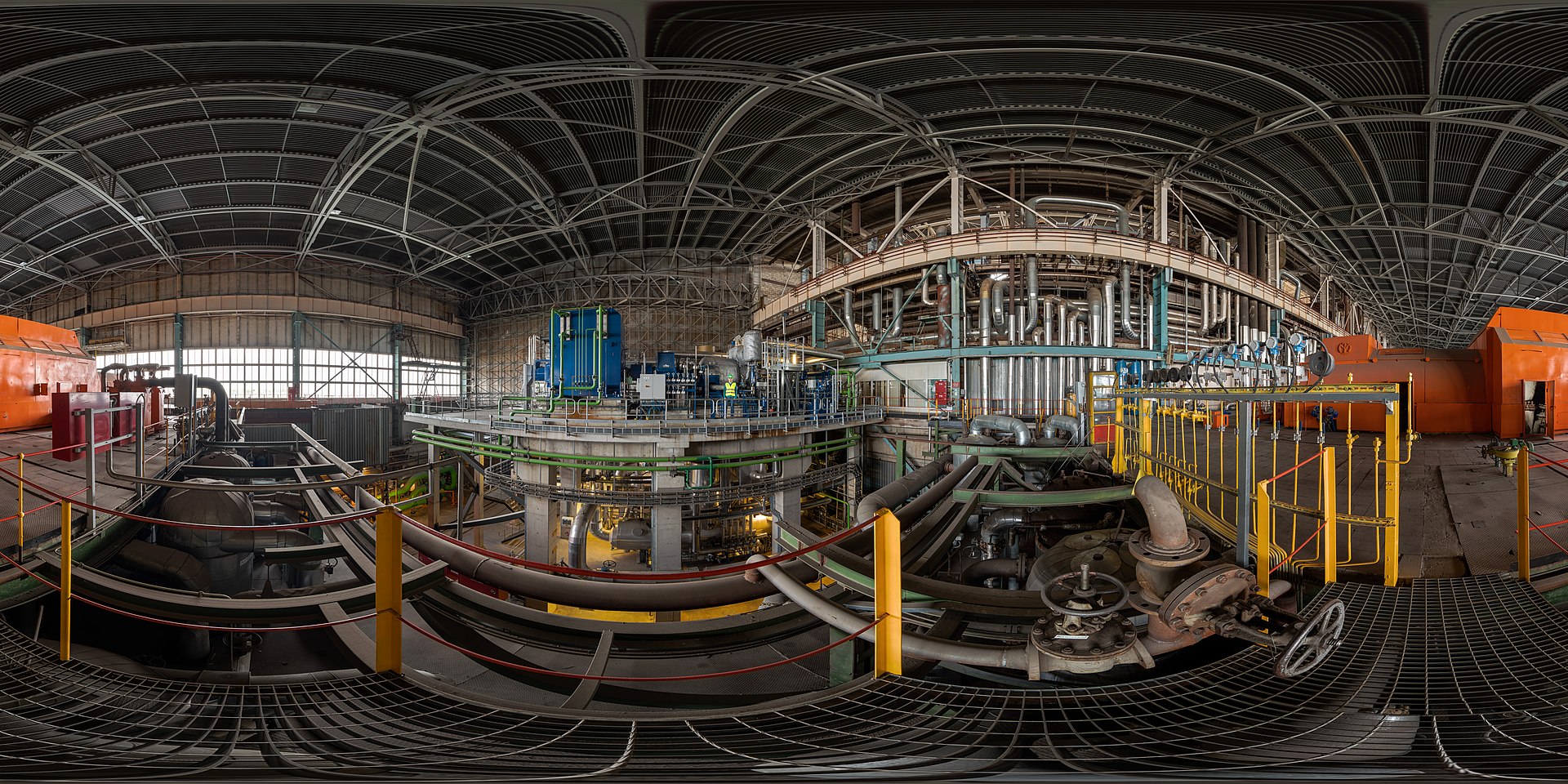
What Eneva does and why it matters
Eneva is a Brazilian power generator and natural-gas producer that supplies electricity to the national grid, known as the SIN.
It runs an integrated model: it extracts gas from its own onshore fields, mainly in the Parnaíba basin in Maranhão state, and burns it in nearby thermal plants.
This setup means the company controls both fuel supply and power generation, a rare advantage in Brazil’s energy market.
For foreign investors and expats, Eneva represents a key player in a country that relies heavily on hydroelectric dams but increasingly turns to thermal backup during dry spells or peak demand.
Eneva second quarter operational breakdown
Total gross generation reached 2,537 gigawatt-hours, a 35% increase over the same period in 2025.
Thermal output alone hit 2,230 GWh, up 46%, as the national grid operator called on more gas-fired power to meet system demand.
The Parnaíba complex generated roughly 1,947 GWh, carrying the bulk of the volume despite temporary issues at the Parnaíba V unit.
The Jaguatirica II plant in Roraima, a remote northern state bordering Venezuela, ran at a robust 60% average dispatch rate, further boosting the thermal figures.
A dispatch rate reflects how often a plant is called to run; a jump from 15% to 20% on average signals a busier, more profitable period for generators like Eneva.
Live Company IntelligenceEneva S.A — the full investor dossier
Valuation & profitability
Price & risk
$15.7752-wk high
$28.15
Revenue trend · 6y
Ownership
Dividend
Gas production and reserves
Natural gas output grew 27% to 0.47 billion cubic meters, with the Parnaíba fields alone producing 0.42 bcm, a 35.5% jump.
The company’s small-scale LNG arm, which liquefies and transports gas to areas not connected to pipelines, saw production rise 28.5% from the previous quarter, though sales volumes slipped slightly to 29.6 million cubic meters.
Certified 2P gas reserves showed a slight decline in Q2 2026, underpinning the long-term fuel supply for Eneva’s thermal fleet.
The average dispatch rate across all plants rose to 20%, while assets running on Eneva’s own gas reached 47% at the Parnaíba complex and 60% at Jaguatirica.
This high rate for own-gas assets highlights the cost advantage Eneva enjoys when it uses fuel from its own fields rather than buying from third parties.
Financial snapshot and outlook
One preliminary source cites a net profit of R$20.3 million (about US$4 million), reversing a R$38.3 million loss a year earlier.
Full revenue and EBITDA figures for the quarter have not yet been detailed in the operational reports released on July 16, 2026.
Santander analysts maintained a buy recommendation on Eneva shares with a price target of R$26.60, citing the solid generation result.
New capacity is coming online: the UTE Luiz Oscar Rodrigues de Melo contract started in July, and the UTE Azulão I plant began commercial operation on August 1.
These additions should further strengthen revenue streams in the second half of the year, though investors will watch for the full audited financials to confirm the profit trend.
What it means for expats and investors
For expatriates living in Brazil, Eneva’s performance is a direct signal about the reliability of the national electricity grid.
Higher thermal dispatch means the system is leaning on gas-fired backup, which can indicate hydroelectric reservoirs are under pressure, potentially affecting power prices and supply stability.
Investors looking at Brazilian equities should note that Eneva’s integrated model offers a hedge against volatile fuel costs, a factor that sets it apart from pure-play generators.
The 2P reserves, despite a slight decline in Q2 2026, provide visibility on fuel supply for years, reducing one key risk for long-term holders of the company’s stock.
What happens next
The market now awaits the full audited quarterly financial statement, which will reveal revenue, EBITDA, and confirmed net profit.
With the Azulão I plant entering commercial operation in August and the Luiz Oscar Rodrigues de Melo contract already active, third-quarter figures could show a further output increase.
Analysts will also monitor whether the Parnaíba V unit’s temporary issues are fully resolved, as that complex remains the backbone of Eneva’s generation portfolio.
Any shift in Brazil’s rainfall patterns or grid dispatch rules could quickly change the demand for thermal power, making Eneva a stock to watch for those tracking the country’s energy transition.
Frequently Asked Questions
What does Eneva do?
Eneva is a Brazilian energy company that generates electricity from gas-fired thermal plants and produces natural gas from its own onshore fields, selling power to the national grid. Its integrated model, controlling both gas extraction and power generation, makes it a unique player in Latin America’s largest economy.
Why did Eneva’s thermal generation jump 46% in the second quarter?
Higher merit-order dispatch by Brazil’s national grid operator called on more gas-fired plants to meet system demand, especially from the Parnaíba complex and the Jaguatirica II plant. In simple terms, the grid needed more reliable power and turned to Eneva’s gas units more often than in the same period last year.
Are Eneva’s full second-quarter financial results available?
No Only preliminary operational data has been released. One source cites a net profit of R$20.3 million, but audited revenue and EBITDA figures are not yet published.
Investors should wait for the official financial report before drawing firm conclusions on profitability.
Connected Coverage
Sources: Eneva.
This article was produced by The Rio Times’ automated newsroom system. How we use AI · Report an error
LatAm Markets: Live Signals → — real-time movers, turnover leaders and FX across Latin America.
Read More from The Rio Times