Embraer Says Brazil’s New Sin Tax Could Add 6.5% to Jet Costs
BRAZIL · INDUSTRY
Key Facts
- —The warning Embraer says the new selective tax could raise aircraft acquisition costs by up to 6.5 percent.
- —Who said it Daniel Bassani, institutional relations manager at Embraer, at an aviation meeting in Brasilia on 8 September.
- —The condition That figure applies if existing industrial tax exemptions for aviation are not carried over.
- —Why aircraft The law names aeronaves alongside vehicles and vessels. It is statutory, not a finding about emissions.
- —The ally The Ministry of Ports and Airports has asked the finance ministry to set a zero rate for certain aircraft.
- —The timing The tax takes effect from 2027. Rates have not been set.
Brazil wrote aircraft into its new sin tax by name. Embraer is asking for the exemption it already has under the old system.
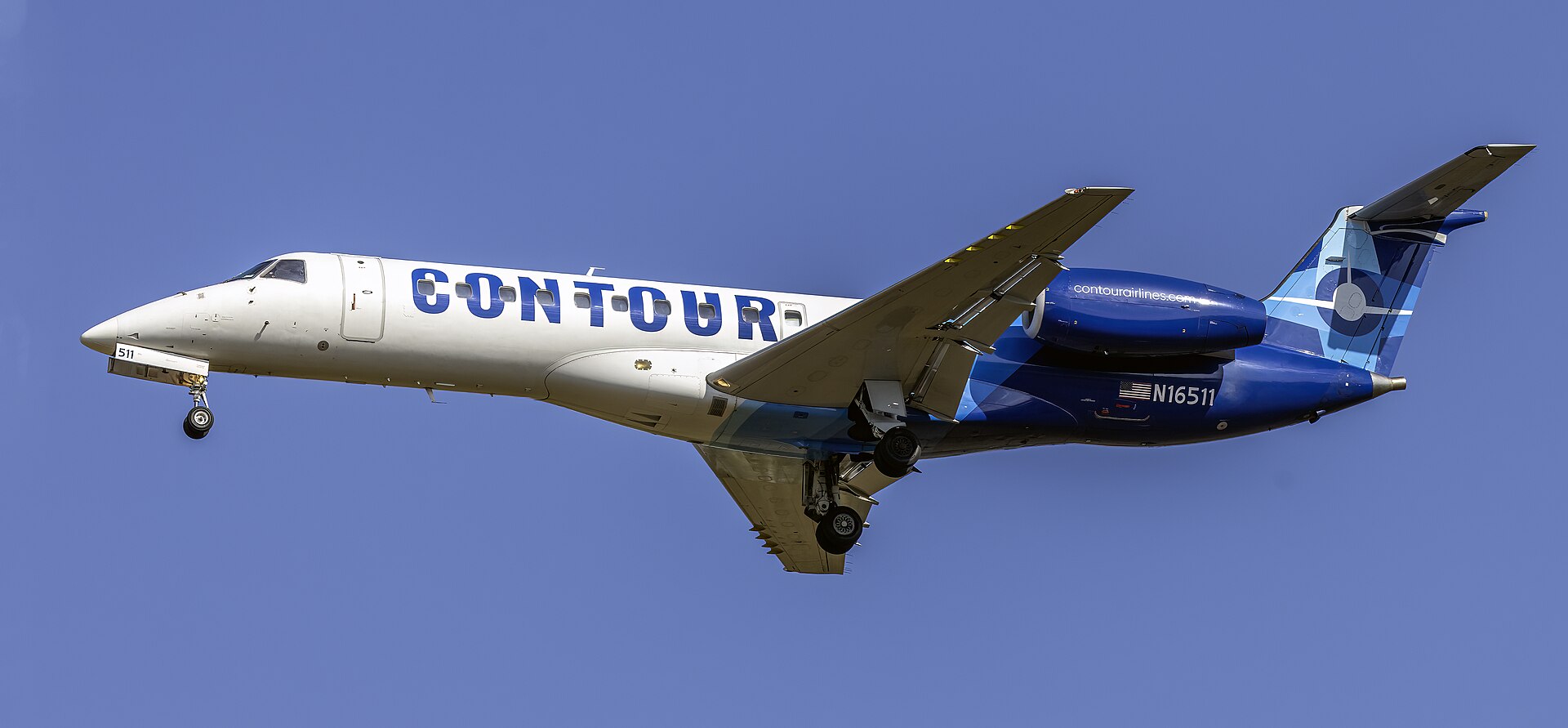
Embraer has warned that Brazil’s new selective tax could raise the cost of acquiring aircraft by up to 6.5 percent. The figure came at a meeting of the aviation sector in Brasilia on Tuesday 8 September.
What the Imposto Seletivo Is
The selective tax was created by the 2023 constitutional amendment behind Brazil’s consumption tax reform. It applies to the production, sale or import of goods and services considered harmful to health or the environment.
It is explicitly behavioural rather than revenue-raising. It is single-phase and carries no credit rights.
It was instituted by Article 409 of Complementary Law 214 of 2025. That article names the covered categories: vehicles, vessels and aircraft, tobacco products, alcoholic drinks, sugary drinks, mineral goods and certain gambling.
Aircraft are caught because the statute names them, not because of any emissions assessment. The law does allow reduced or zero rates on environmental efficiency grounds, but the criteria and the rates are left to later regulation.
It takes effect from 2027. The government is discussing a transitional rule pegging the new tax to current industrial product tax rates.
The Figure and What It Depends On
Daniel Bassani, Embraer’s institutional relations manager, said adding a new tax would raise aircraft acquisition costs overnight by 6.5 percent, which he called a very significant cost.
That is conditional. It assumes existing industrial product tax exemptions and reductions for aviation segments are not preserved under the new tax.
Embraer is asking for those exemptions to be carried over. It is also proposing environmental criteria for reduced or zero rates.
The criteria it suggests cover electric aircraft, aircraft meeting the latest international emissions standards, aircraft certified for sustainable aviation fuel, and light low-impact aircraft.
Live Company IntelligenceEmbraer SA ADR — the full investor dossier
Wall Street view
Valuation & profitability
Price & risk
$55.5352-wk high
$66.87
Revenue trend · 6y
Ownership
Dividend
Part of the Government Agrees
The Ministry of Ports and Airports has formally asked the finance ministry to set a zero rate for certain aircraft, structured as a provisional measure modelled on the existing industrial tax regime.
Its stated reasoning is to avoid sector price rises of up to 17.3 percent and delays to fleet modernisation.
Those two figures measure different things. Embraer’s 6.5 percent is the increase in aircraft acquisition cost; the ministry’s 17.3 percent refers to sector prices more broadly.
The finance ministry has not responded publicly to the request.
The wider sector is making the same argument. LATAM’s chief executive has said the airline’s annual tax bill could rise from about 2 billion reais to 6 billion under full implementation.
More: Brazil news in English, every day from The Rio Times.
Frequently Asked Questions
How much could the tax add to aircraft costs?
Embraer says up to 6.5 percent on acquisition cost, if existing industrial tax exemptions for aviation are not carried over into the new tax.
Why are aircraft covered?
Complementary Law 214 of 2025 names aeronaves alongside vehicles and vessels in the list of categories subject to the selective tax.
When does it take effect?
From 2027. The rates have not yet been set, and a transitional rule pegging them to current industrial tax rates is under discussion.
Is the government against Embraer here?
Not uniformly. The Ministry of Ports and Airports has asked the finance ministry to set a zero rate for certain aircraft. The finance ministry has not responded publicly.
Sources: InfoMoney, Money Times, Complementary Law 214/2025, Conjur, A Critica, Camara dos Deputados.
This article was produced by The Rio Times’ automated newsroom system. How we use AI · Report an error
Read More from The Rio Times