Ecuador Courts Private Capital to Reverse Its Oil Decline
Ecuador · Energy
Key Facts
- Target Ecuador aims to attract up to US$41.5 billion in private oil-and-gas investment under a multi-round plan unveiled in 2024.
- Bids On July 16, 2026, Orion Energy and Gente Oil submitted offers for Amazon blocks Tetete Sur (Block 95) and Lumbaqui (Block 11).
- Timeline Technical evaluation runs late July 2026, with contract signing slated for December 2026 and handover in January 2027.
- Extension Block 65 (Pindo) contract extended to December 31, 2037, with about US$69 million in new investment pledged.
- Revenue The Pindo extension is projected to generate US$276 million in additional state revenues and 9.39 million barrels of cumulative output.
- Context Output is constrained by pipeline erosion, security issues, and the 2023 Yasuni ITT referendum halting drilling in Block 43.
Ecuador is betting on private capital to reverse a slide in crude production, with new bids and a contract extension marking the first concrete steps of an ambitious multi-year plan.
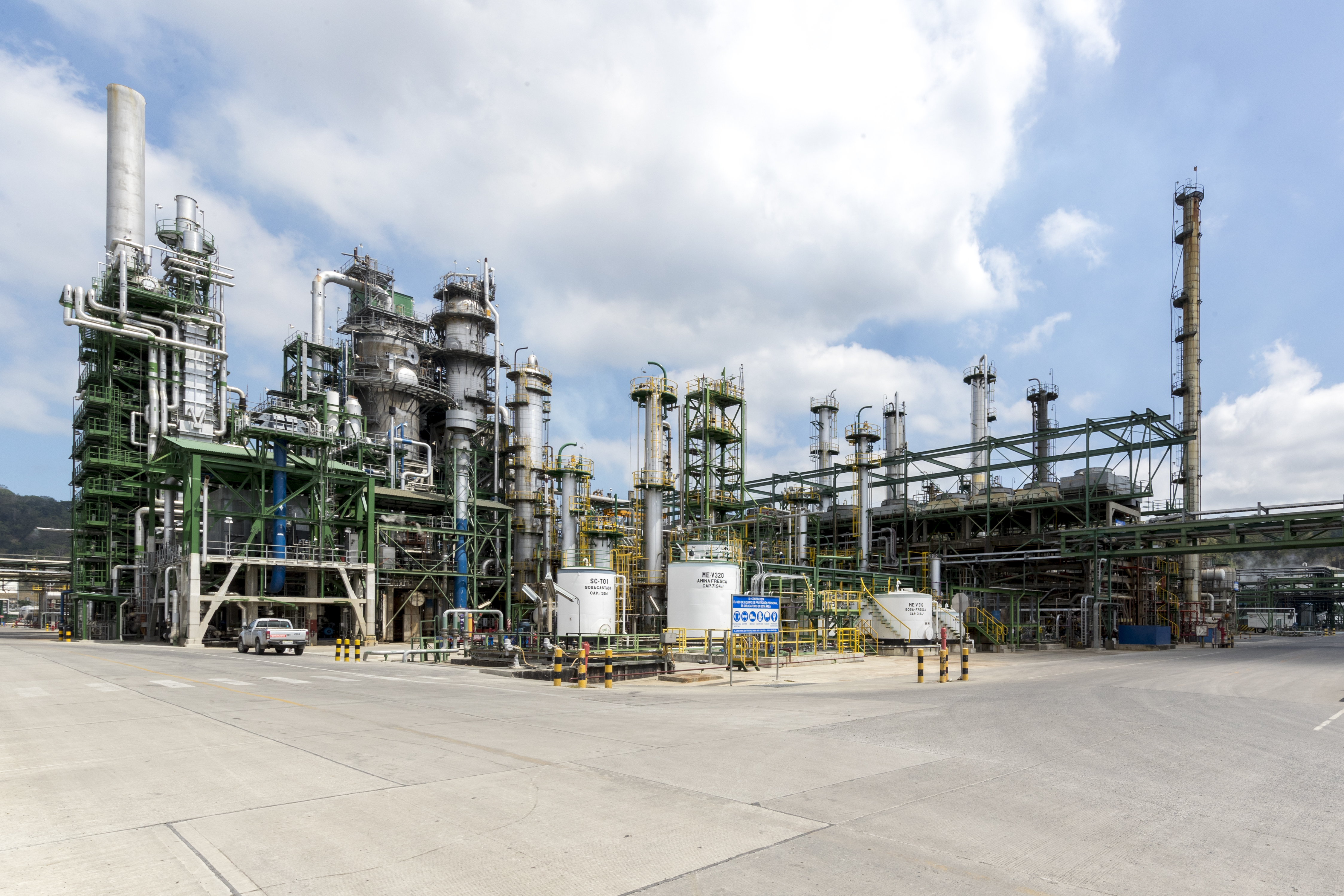
For anyone tracking Latin America’s energy landscape, Ecuador oil investment has become the quiet test case of whether a small, politically volatile producer can still lure international capital without OPEC cover or major new discoveries. President Daniel Noboa’s government is now moving from promises to paperwork, with two companies bidding for Amazon blocks and a separate contract extension signed in mid-July 2026. The stakes are straightforward: Ecuador needs money and barrels, and private firms are being asked to supply both.
The drive behind the push
Ecuador’s hydrocarbon sector has been in slow decline for years. Output has been hampered by chronic pipeline erosion near the Rio Quijos and Coca river zones, which periodically forces shutdowns on the OCP and SOTE lines. Security problems in the Amazon region, including fuel theft and sabotage, add another layer of cost and risk. The 2023 referendum on the Yasuni ITT field (Block 43) ordered a halt to drilling in a sensitive ecological area, removing roughly 55,000 barrels per day from the system at a time when the state budget depended on those revenues.
In response, the Noboa administration unveiled a 2024 plan to attract up to US$41.5 billion in private oil-and-gas investment. The programme includes licensing rounds for Amazon blocks, optimisation projects in mature fields, development of the southeastern Suroriente region, and offshore gas in the Gulf of Guayaquil. The logic is simple: the state oil company Petroecuador lacks the capital and technical capacity to reverse decline on its own, so foreign and independent firms are being invited to fill the gap.
Recent bids and the Pindo extension
The first visible test came on July 16, 2026, when Orion Energy and Gente Oil submitted offers to operate two Amazonian blocks: Tetete Sur (Block 95) and Lumbaqui (Block 11). Vice Minister of Hydrocarbons Eduardo Racines attended the offer-opening ceremony in Quito, signalling official backing. The process now moves to technical and economic evaluation in late July, followed by enabling reports between August and October, contract signing in December, and handover for operations in January 2027. If the timeline holds, these blocks could be producing within a year of the bids.
Around the same time, the government signed an investment agreement extending the Block 65 (Pindo) contract to December 31, 2037. The amendment, known as Contract No. 5, commits operator PCR Ecuador to roughly US$69 million in new investment. In return, the state expects US$276 million in additional revenues and about 9.39 million barrels of cumulative output over 2026–2037. The plan includes drilling three exploratory and four development wells, a modest but concrete step toward stabilising output in the region.
Context: a history of setbacks
Ecuador’s oil story is marked by fits and starts. The country left OPEC in 2020 after years of struggling to meet production quotas, and has since focused on maintaining output rather than expanding it. The Yasuni referendum was a landmark environmental decision, but it also deepened the fiscal hole. Pipeline erosion has become a recurring nightmare: the SOTE and OCP lines run through geologically unstable terrain, and repairs are costly and slow. Security incidents, including attacks on infrastructure, have forced repeated force majeure declarations.
Against this backdrop, the Noboa government has made private investment the centrepiece of its economic strategy. The 2024 plan was designed to signal openness, but the 2026 bids show that the signal is being heard. Still, the scale of the challenge is large. Even if all planned rounds succeed, Ecuador would need years of sustained investment to return to its peak output of over 500,000 barrels per day. The Pindo extension and the two Amazon block bids are early steps, not a solution.
What is at stake
For Ecuador, the stakes are fiscal and political. Oil revenues fund a significant share of the national budget, and every barrel lost to pipeline failures or referendum decisions widens the deficit. The government is also under pressure to show results ahead of the next electoral cycle. Attracting private capital is not just an economic policy; it is a political signal that the country remains open for business despite its challenges.
For investors, the calculus is different. Ecuador offers relatively low-cost extraction in a region with existing infrastructure, but the risks are real: regulatory uncertainty, environmental opposition, and the constant threat of pipeline disruptions. The 2026 bids and the Pindo extension suggest that some companies are willing to accept those risks in exchange for access to reserves. Whether more will follow depends on how quickly the current rounds move from signing to production.
More: Ecuador news in English, every day from The Rio Times.
Frequently Asked Questions
What is the US$41.5 billion plan?
It is a multi-round scheme announced in 2024 to attract private investment in Ecuador’s oil and gas sector, covering Amazon blocks, optimisation projects, the Suroriente region, and offshore gas in the Gulf of Guayaquil.
Which companies are bidding for Amazon blocks?
Orion Energy and Gente Oil submitted offers on July 16, 2026, for Tetete Sur (Block 95) and Lumbaqui (Block 11). The process is scheduled to conclude with contract signing in December 2026.
What does the Block 65 extension involve?
Operator PCR Ecuador signed an amendment extending the Pindo contract to December 2037, with US$69 million in investment, US$276 million in projected state revenues, and drilling of seven wells.
Connected Coverage
- Ecuador auctions the Sacha oil field
- Ecuador’s 2026 economy and the oil crisis
- Noboa’s public investment plan
- Petroecuador plans an output surge
Sources: Primicias; Teleamazonas; Ecuador Ministry of Environment and Energy; BNAmericas.
This article was produced by The Rio Times’ automated newsroom system. How we use AI · Report an error
Read More from The Rio Times