Colombia’s Inspector General Halts a Near-Final Ecopetrol Ruling on the Eve of the Handover
Colombia · Energy
Key Facts
- What happened. The Procuraduría sent an urgent letter ordering the competition regulator to answer its questions before ruling on a near-final sanction against Ecopetrol.
- When. The letter followed an inspection visit on 4 August and was first reported on the evening of 6 August, the eve of Colombia’s presidential handover.
- Who is charged. Ecopetrol and its subsidiaries Cenit and Ocensa. The helicopter operator Helistar is not.
- The case. Six air-transport tenders between 2011 and 2023, worth more than 400,000 million pesos (about US$127 million), allegedly written to favour the incumbent.
- What it does not do. This is not an injunction and it does not close the case. The file now waits on the regulator’s reply and an advisory committee opinion.
- The consequence. If the answer does not arrive in time, the decision falls to the incoming government.
Colombia’s inspector general froze a near-final competition ruling against Ecopetrol hours before the government changed — leaving a nine-figure decision to the incoming administration.
The Ecopetrol SIC sanction was days from being issued. Then, on the eve of the handover, the Procuraduría made public an urgent letter ordering the competition regulator to answer its questions first — and warned that ruling without doing so would leave the decision open to being struck down in court.
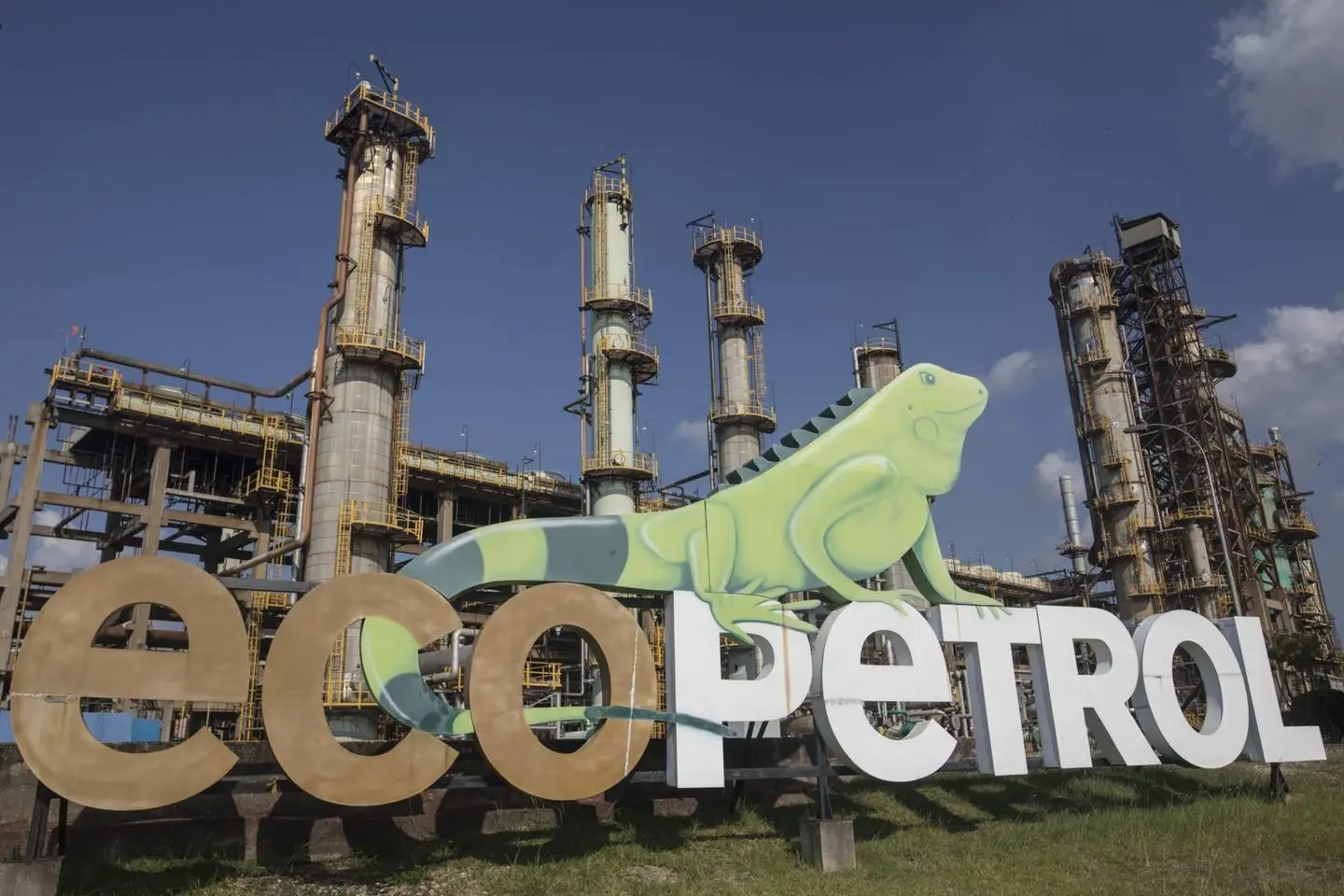
What the Procuraduría actually did to the Ecopetrol SIC sanction
The instrument is an oficio urgente from Marcio Melgosa, the Procurador Delegado for preventive oversight of public functions, sent after his office carried out an inspection visit on Tuesday 4 August.
It does not suspend anything. What it does is require the Superintendencia de Industria y Comercio to answer the Procuraduría’s questions before it issues its ruling. The warning attached is the point: ruling first would leave the act legally defective, open to annulment in court, with what the letter calls significant financial consequences for the state.
The file now waits on two things — the regulator’s reply, and the opinion of its advisory committee, which is mandatory but not binding. A source at the regulator told El Tiempo that if the reply does not come within what remains of Petro’s term, the decision passes to the incoming administration. On the morning Abelardo De La Espriella was sworn in, that is the whole story.
Live Company IntelligenceEcopetrol SA ADR — the full investor dossier
Wall Street view
Valuation & profitability
Price & risk
$8.1652-wk high
$18.38
Revenue trend · 6y
Ownership
Dividend
The case itself
The Superintendencia’s delegate for competition, Francisco Melo Rodríguez, had recommended a finding of liability. The head of the regulator is Cielo Rusinque.
The allegation covers six tenders for air transport to oilfields between 2011 and 2023, worth more than 400,000 million pesos, roughly US$127 million. The claim is that the terms were written so only the incumbent could win: an aircraft-age ceiling that moved from five years to fifteen, then ten, then twenty, dropped in 2023 as having no legal basis; and a requirement that aircraft already be in Colombia, armoured and equipped.
Internal messages from 2021 are quoted in the file. One official proposed framing a requirement around security; another suggested a fifteen-year age cap because with it “there would only be one bidder”.
Ecopetrol has raised two procedural objections. It says the regulator’s company visits were carried out under a preliminary enquiry rather than a formal investigation, and that it ordered forensic imaging of a mobile device without a judicial order, under threat of fines.
A company without a permanent chief executive
The timing lands on an organisation already in transition. Ricardo Roa Barragán left definitively on 30 July after a period of unpaid leave, and Juan Carlos Hurtado Parra has been interim chief executive since 31 July while the board runs a selection process.
The board changed the same day. Luis Felipe Henao Cardona took the chair on 31 July, and De La Espriella has already named Jorge Mario Velásquez as an incoming board member.
The underlying numbers are strong. Second-quarter revenue was 40.2 trillion pesos (about US$11.1 billion) and net income 6.1 trillion (about US$1.7 billion), up 235 percent, with Brent averaging US$96.7 a barrel against US$66.7 a year earlier.
One number worth reading carefully. Ecopetrol’s 2026 plan, approved last November, expected to hold lifting cost below US$12 a barrel. First-half lifting cost fell 3 percent in pesos, to 47,249 pesos a barrel — but in dollars the second quarter came in at US$13.68, up 14.3 percent. The plan assumed 4,050 pesos to the dollar; the second-quarter average was 3,612, and the peso is now nearer 3,157. It is the exchange rate breaking that target, not the cost of pumping oil.
What it means if you hold Colombian assets
Ecopetrol is the largest weight in the COLCAP and a core holding in most Colombian pension portfolios. Two things changed this week: a competition case carrying a nine-figure potential fine has been pushed past the handover, and the company enters a new administration without a permanent chief executive.
For residents, the practical line is the exchange rate rather than the lawsuit. A peso near 3,157 makes Ecopetrol’s dollar costs look worse and makes your dollar income buy less in Bogotá.
None of this touches visas, residency or property. This is general information, not investment advice.
Frequently Asked Questions
What did the Procuraduría do to the Ecopetrol SIC sanction?
It sent an urgent letter requiring the competition regulator to answer its questions before issuing a ruling, warning that ruling first would leave the decision open to annulment in court.
Is the case closed?
No. The letter is not an injunction. The file waits on the regulator’s reply and a mandatory but non-binding advisory committee opinion.
What is Ecopetrol accused of?
Writing the terms of six air-transport tenders between 2011 and 2023, worth more than 400,000 million pesos (about US$127 million), so that only the incumbent operator could realistically win.
Who runs Ecopetrol now?
Juan Carlos Hurtado Parra has been interim chief executive since 31 July, after Ricardo Roa left. Luis Felipe Henao Cardona chairs the board.
Did Ecopetrol hit its US$12 lifting-cost target?
In pesos, costs fell 3 percent in the first half. In dollars the second quarter came in at US$13.68 a barrel, because the peso is much stronger than the 4,050 the plan assumed.
Sources: Procuraduría General de la Nación; Superintendencia de Industria y Comercio; Ecopetrol Q2 2026 results and 2026 investment plan; Infobae; El Tiempo; Portafolio.
This article was produced by The Rio Times’ automated newsroom system. How we use AI · Report an error
Read More from The Rio Times