Economic Isolation of Russia Strengthens China’s Negotiating Position
The United States has imposed new sanctions on Russia, aiming to limit its access to the global financial system. These measures may hinder Russia-China trade in the short term.
However, they could strengthen China’s position in future negotiations with Russia. The sanctions target Russia’s alternative to the SWIFT banking system, called SPFS.
They also affect the Chinese branch of Russia’s VTB Bank. This move will likely disrupt payments between the two countries for some time.
Aleksei Chigadaev, a former lecturer at the Higher School of Economics in Moscow, expects trade to slow significantly. He believes this will impact Russia-China trade until the new year.
The disruption could be substantial, as VTB China processes many business payments. China may explore new ways to overcome these sanctions.
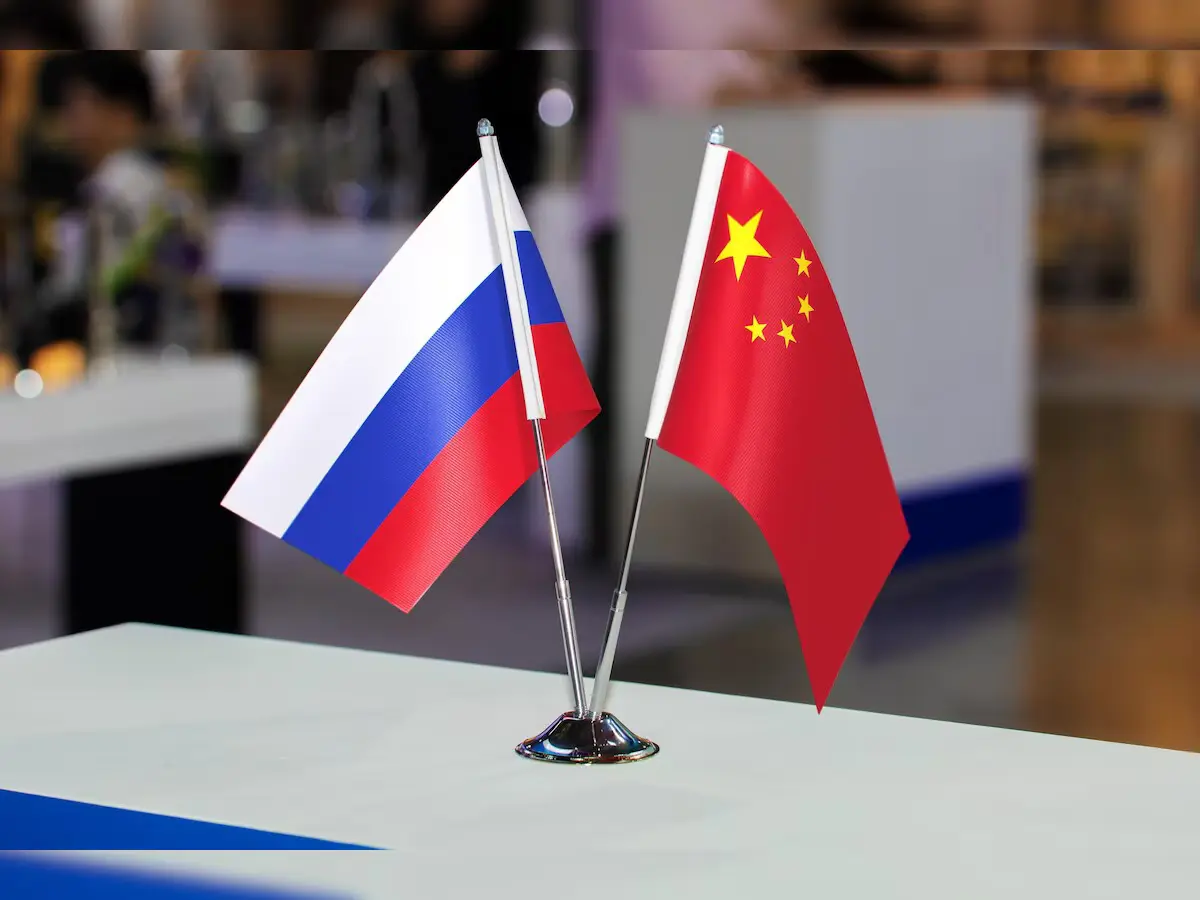
These could include using its Cross-Border Interbank Payment System or offshore yuan markets. Creating specialized financial institutions not connected to Western systems is another possibility.
China and Russia’s Economic Adaptation Amid Sanctions
The Knightsbridge Strategic Group suggests that China might also turn to bartering. This ancient practice could help bypass modern financial restrictions. Such moves highlight China’s adaptability in the face of external pressures.
As Russia becomes more economically isolated, China gains leverage. This shift in power dynamics could allow China to set stricter terms in future deals.
The planned Power of Siberia 2 natural gas pipeline negotiations may reflect this changing balance. China’s growing influence doesn’t come without risks.
Increased dependence on Chinese markets and financial systems could limit Russia’s options. This situation might push Russia to seek alternative partnerships to maintain some autonomy.
The U.S. Treasury claims Russia uses its SPFS system to evade sanctions. This assertion underscores the ongoing cat-and-mouse game between sanctioning countries and their targets.
It also highlights the challenges of enforcing economic restrictions in a globalized world. These developments raise questions about the effectiveness of sanctions.
They may push targeted countries to create parallel economic systems. Such systems could potentially undermine the dominance of Western-led financial institutions.
The situation also underscores the complexities of international relations. Countries must balance their economic interests with geopolitical considerations. This balancing act becomes more challenging as global power dynamics shift.
This article was produced by The Rio Times’ automated newsroom system. How we use AI · Report an error
Read More from The Rio Times