Dubrule Family Walks Away from Tok&Stok Takeover Bid, Alleges Mobly Sabotage
The founding family of Brazilian furniture chain Tok&Stok abandoned efforts to reclaim their company Monday, accusing current management of sabotaging a rescue bid through financial maneuvers and legal roadblocks.
The Dubrule family withdrew their R$0.68-per-share offer for Mobly-controlled Toky Group after failing to dismantle a poison-pill clause requiring full buyouts for stakes above 15%, according to securities filings.
Mobly, an e-commerce rival that bought 61% of Tok&Stok for R$112 million last August, blocked the deal by keeping the defensive measure active.
The Dubrules had pledged R$100 million in fresh capital and R$125 million in debt relief to stabilize the merged company, which reported R$1.6 billion revenue but carries R$600 million in legacy Tok&Stok debt.
Analysts note the bid valued Mobly at half its market price, fueling board resistance. This clash stems from a troubled merger between Brazil’s second-largest home furnishings retailers.
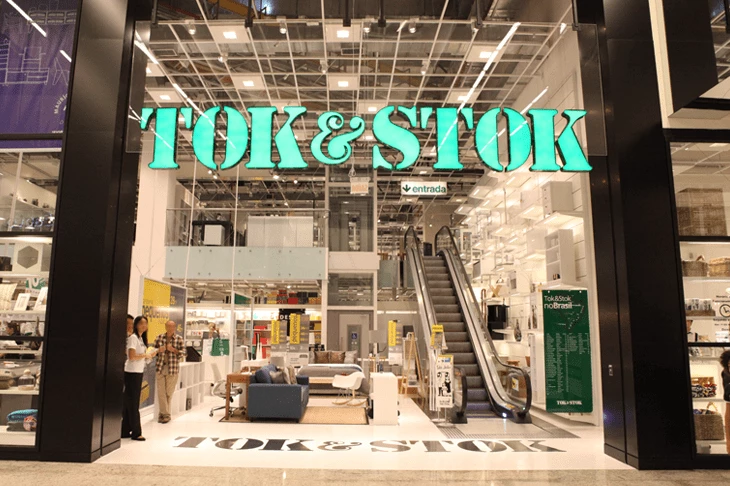
Tok&Stok, founded in 1978, dominated physical stores before debt crises led to a 2009 sale. Mobly, launched in 2011, rose rapidly online but sought Tok&Stok’s brand cachet.
The 2024 deal now teeters as both sides trade blows: Mobly claims the Dubrules paid German investors €5 million to gain influence, while the family alleges Mobly mismanaged R$5.2 million in employee health funds.
Shareholders narrowly voted to keep the poison pill by 59.8 million to 54.5 million votes last week, despite pressure from Germany’s Home24/XXXLutz, which owns 44% of Toky Group.
Mobly–Tok&Stok Feud Highlights Brazil’s Retail Identity Crisis
Mobly’s stock has swung 18% this month, reflecting fears over R$135 million in annual merger savings now at risk. Beneath the legal drama lies a generational divide.
The Dubrules advocate reviving Tok&Stok’s brick-and-mortar strengths, while Mobly pushes digital integration despite R$140 million annual losses. With Toky Group’s shares down 43% this year, industry watchers warn the feud could destabilize 8,700 jobs and 217 stores across Brazil.
As courts prepare to review fraud allegations, the battle exposes Latin America’s corporate growing pains-where family legacies, foreign investors, and tech-driven newcomers collide in markets squeezed by inflation and credit shortages.
The outcome may redefine whether traditional retailers can survive the e-commerce era without burning their founders.
This article was produced by The Rio Times’ automated newsroom system. How we use AI · Report an error · Editorial responsibility: Matthias Camenzind, Editor-in-Chief
LatAm Markets: Live Signals → — real-time movers, turnover leaders and FX across Latin America.