Dollar Dives 7.6% Against Brazilian Real in Q1 2025, Marking Steepest Quarterly Drop Since 2022
Brazil’s currency surged against the U.S. dollar in early 2025, with the greenback falling 7.6% in Q1—its steepest quarterly decline since 2022—amid aggressive unwinding of foreign bets on dollar strength,...

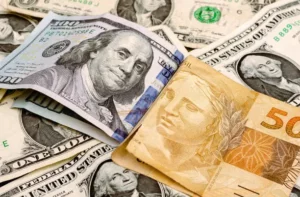
Brazil’s currency surged against the U.S. dollar in early 2025, with the greenback falling 7.6% in Q1—its steepest quarterly decline since 2022—amid aggressive unwinding of foreign bets on dollar strength, according to Banco Central do Brasil and B3 exchange data.
Foreign investors slashed net long positions in dollar derivatives from $67.9 billion in late 2024 to $39.7 billion by March 28, pressured by shifting U.S. policy and Brazil’s hawkish monetary moves.
The dollar’s global retreat under President Donald Trump’s new administration amplified market shifts, while Brazil’s central bank hiked its benchmark Selic rate to curb inflation and stabilize the real.
Simultaneously, policymakers intervened through spot dollar sales and “line auctions”—short-term currency swaps—to ease hedging costs for investors. These measures lowered the “cupom cambial,” a key dollar-denominated interest rate, making it costlier for speculators to maintain bullish dollar positions.
Traders note Brazil’s deep derivatives market had attracted foreign hedges during prior volatility, but shrinking rate gaps now discourage this strategy.
Central Bank Director Nilton David acknowledged Brazil’s role as a liquidity hub for emerging-market hedging, citing the real’s tight correlation with global risk sentiment.
Key Factors Driving the Real’s Rebound
Despite net outflows of $13.7 billion in foreign currency transactions this year, the real’s gains stemmed primarily from the dollar’s derivative-market unraveling. The currency closed Q1 at R$5.7057, reflecting a 0.94% drop on March 31 alone as positions unwound further.
This dollar slump echoes a 2015–2016 downturn but unfolded faster, fueled by Trump’s trade-focused dollar policies and Brazil’s rate hikes. Analysts warn the rally faces headwinds: fiscal concerns under President Lula’s spending plans and global risk aversion could reignite volatility.
Still, Brazil’s narrowed credit default spreads signal improved investor confidence, contrasting with 2024’s 30% real depreciation. Market participants attribute the shift to arbitrage opportunities fading as rate differentials tightened.
“Hedging dollar exposure here became punitive compared to late 2024,” said Ace Capital currency strategist Daniel Tatsumi, noting that Brazil’s high liquidity once drew protective bets during turbulence.
Now, as U.S. and Brazilian rates converge, traders face steeper costs to maintain dollar longs—a dynamic reshaping Latin America’s largest currency market. The real’s rebound highlights how emerging economies can leverage monetary tools to counter external shocks.
Yet sustainability hinges on balancing fiscal discipline with growth priorities, a challenge as global capital recalibrates post-Trump. For now, the dollar’s slide offers Brazil respite, though policymakers remain wary of complacency in turbulent markets.
More: Brazil news in English, every day from The Rio Times.
This article was produced by The Rio Times’ automated newsroom system. How we use AI · Report an error
LatAm Markets: Live Signals → — real-time movers, turnover leaders and FX across Latin America.