Dollar Climbs to R$5.58 Amid Brazil’s Fiscal Uncertainty
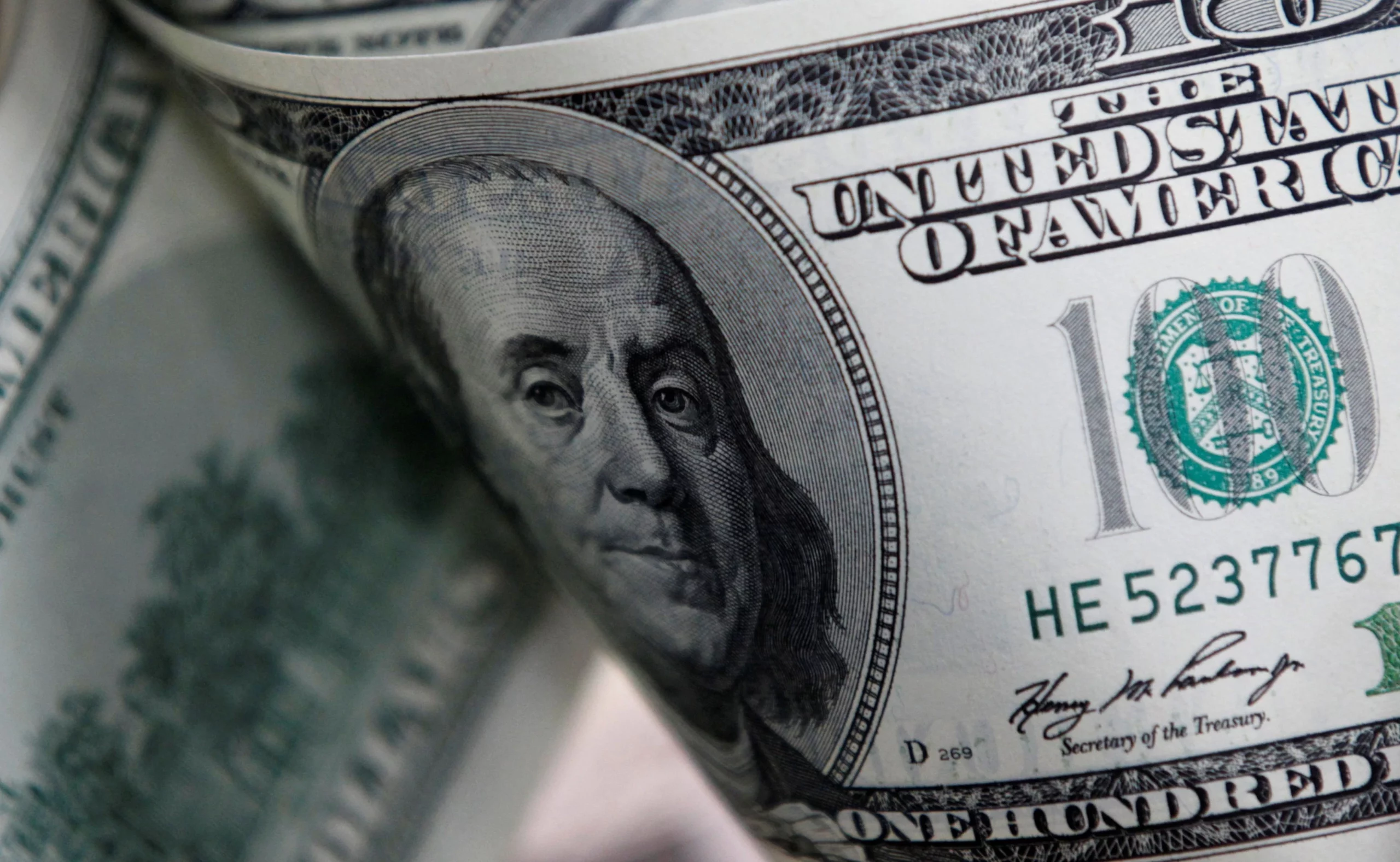
The dollar surged nearly 2% to R$5.586 on Thursday as investors adopted defensive positions over Brazil’s fiscal stability concerns.
At 4:30 PM, the commercial dollar increased 1.74%, reaching R$5.579 for both buying and selling.
On the B3 exchange, the first-maturity dollar futures contract (DOLc1) rose 1.69%, hitting 5,591 points. The previous day, the spot dollar closed at R$5.485, up 1.03%.
Key Drivers Behind the Dollar’s Surge
This week’s dollar gains stem from recent statements by President Luiz Inácio Lula da Silva.
In a TV Record interview on Tuesday, Lula questioned adherence to Brazil’s fiscal framework if “more important things” arise.
This sparked market fears about the government’s commitment to fiscal balance. Investors are anxious about the upcoming Revenue and Expenditure Report detailing the government’s zero-deficit plan.
Planning and Budget Minister Simone Tebet emphasized the government’s policy of not spending more than it collects.
This directive from President Lula should reflect in the next year’s budget. Despite her reassurances, investor skepticism remains high.
Global Market Context
Internationally, markets evaluated the European Central Bank’s (ECB) interest rate decision and U.S. unemployment data.
The ECB kept its deposit rate unchanged at 3.75%, following a 25 basis point cut in the previous meeting.
This marked the start of a long-anticipated monetary easing cycle. ECB officials reiterated their commitment to returning eurozone inflation to the 2% target, indicating that rates would stay sufficiently restrictive for as long as necessary.
In the U.S., new unemployment claims data exceeded expectations, suggesting a moderating labor market.
The Department of Labor reported a rise of 20,000 initial jobless claims from the previous week, totaling 243,000, above the 230,000 forecast by Reuters.
These developments, combined with milder inflation figures in the second half of the year, reinforce expectations of a Federal Reserve rate cut in September.
Traders are anticipating an initial cut next month, with the possibility of two more cuts by year-end. Lower U.S. interest rates typically reduce the dollar’s appeal as Treasury yields decrease.
Despite these economic indicators, the dollar index, which measures the U.S. currency against a basket of six others, rose 0.22% to 103.900.
This article was produced by The Rio Times’ automated newsroom system. How we use AI · Report an error
LatAm Markets: Live Signals → — real-time movers, turnover leaders and FX across Latin America.
Read More from The Rio Times