Brazil · Business
Key Facts
—Asset CSN Cimentos, the cement division of Brazilian steelmaker Companhia Siderúrgica Nacional (CSN).
—Valuation Estimated between R$12 billion and R$14 billion (~US$2.4-2.7 billion), depending on debt and asset scope.
—Leading Bidders China’s Huaxin Cement and Sinoma International, Italy’s Italcementi, and Brazil’s Votorantim and Polimix.
—Rationale CSN aims to use proceeds to cut a near-US$8 billion debt pile and clean up its balance sheet.
—Timeline Binding proposals expected by early August 2026, with a contract signing targeted for September and closing by year-end, pending antitrust (Cade) approval.
The CSN Cimentos sale has entered its final bidding phase, with Chinese, Italian, and Brazilian industrial groups leading a pack of suitors for the cement unit of Brazilian steelmaker Companhia Siderúrgica Nacional (CSN). Binding proposals are expected by early August, and the transaction could fetch up to R$14 billion (~US$2.7 billion), marking one of Latin America’s largest building-materials deals in years.
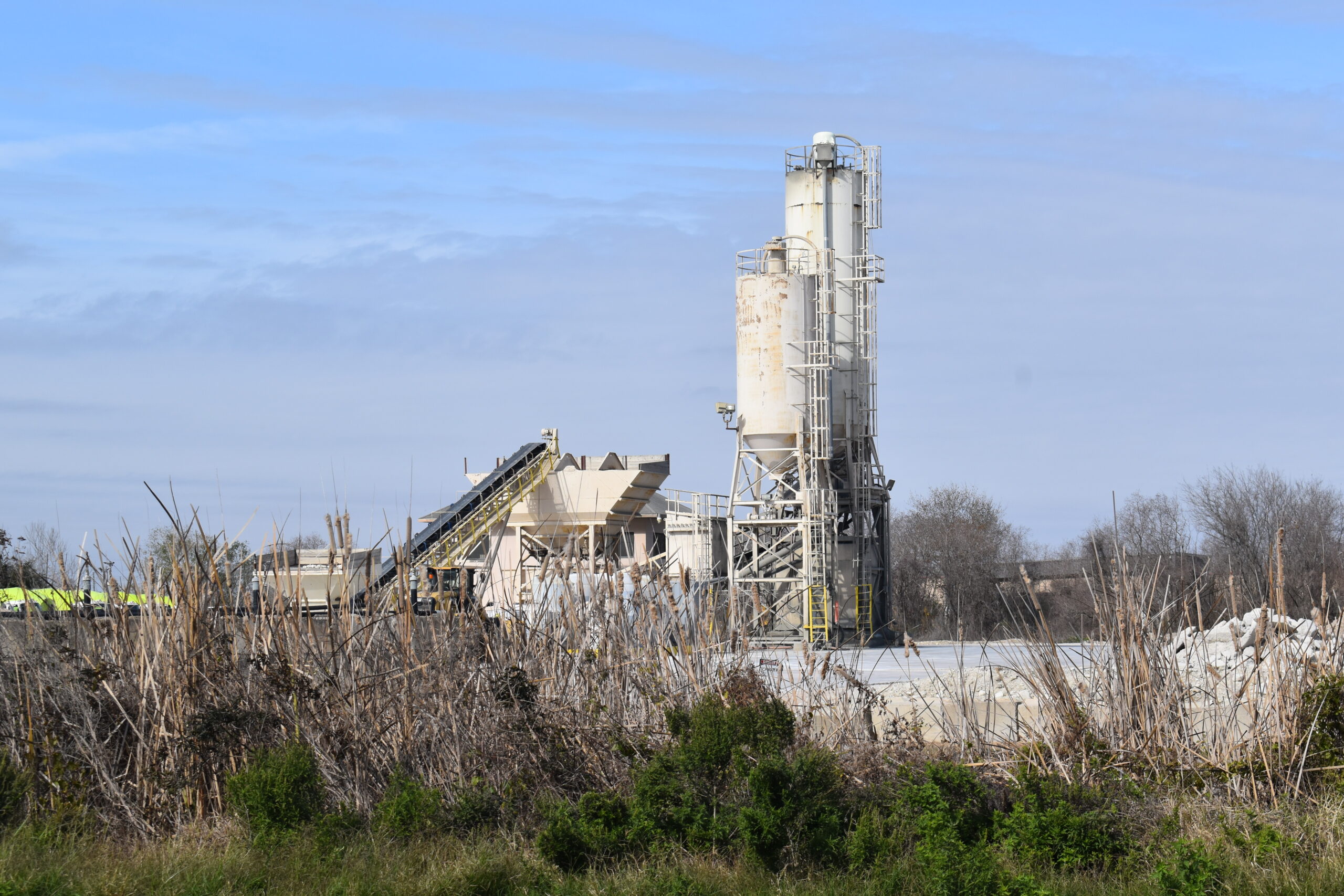
CSN Cimentos sale: The Contenders: A Global Cast
China’s Huaxin Cement and engineering giant Sinoma International have emerged as frontrunners, according to market sources and local media reports. They are competing against Italy’s Italcementi, a subsidiary of the Heidelberg Materials group, which was named in late July as a bidder in the final phase.
Brazil’s own Votorantim and Polimix are also in the running, which adds a domestic dimension to the contest. A sale to a local group would keep the asset in Brazilian hands, while a foreign buyer would signal long-term international confidence in the country’s construction sector.
Why CSN Is Selling
The sale is the centerpiece of a broader deleveraging push by CSN, a steelmaking and mining group that has accumulated nearly US$8 billion in debt. Proceeds from the divestment will go directly toward paying down that burden and cleaning up the company’s balance sheet.
For a foreign reader, “deleveraging” simply means reducing the amount of borrowed money on the books. A heavily indebted company faces higher interest costs and less flexibility during economic downturns, so selling a valuable division can be a faster route to financial health than waiting for operating profits alone.
Live Company IntelligenceCompanhia Siderúrgica Nacional — the full investor dossier
Valuation & profitability
Price & risk
$4.1952-wk high
$11.32
Revenue trend · 6y
Ownership
Dividend
Valuation Gap and Deal Structure
The expected price tag has been a moving target. CSN is reportedly seeking between R$12 billion and R$14 billion (~US$2.4-2.7 billion), while bidders have signaled expectations closer to R$10 billion to R$12 billion (~US$2.0-2.4 billion).
This gap is common in large asset sales and often comes down to what exactly is included. The final number will likely depend on how much debt travels with the cement unit and which plants, reserves, and contracts are part of the package.
Timeline: From Bids to Closing
The sale process has moved swiftly since non-binding offers were submitted by the end of April 2026. Binding bids were initially expected by late June, but the timeline was extended into the first half of August, with one report pinpointing August 7 as the submission date.
After a preferred bidder is chosen, the parties aim to sign a contract by September. Closing by year-end would then require a green light from Cade, Brazil’s antitrust authority, which reviews large mergers to ensure they do not harm competition.
Market Context and Strategic Fit
For Chinese bidders like Huaxin and Sinoma, the acquisition would deepen their footprint in Latin America’s largest economy at a time when infrastructure spending is a government priority. Huaxin has been expanding aggressively overseas, while Sinoma brings engineering and equipment supply synergies.
For Italcementi and its parent Heidelberg Materials, the asset would strengthen an already sizable presence in the region. For Brazilian players Votorantim and Polimix, the prize is market consolidation in a sector where scale directly influences production costs and pricing power.
What Comes Next
The next few weeks will be decisive. The binding offers due in early August will reveal whether bidders are willing to bridge the valuation gap.
CSN’s board, led by billionaire chairman Benjamin Steinbruch, will then weigh the bids against the company’s urgent need to deleverage.
Beyond price, the board will likely consider how quickly each bidder can close the deal and how regulators might view the different ownership scenarios. A foreign buyer may face a smoother antitrust path than a domestic rival that would command a larger combined market share.
What to watch next is whether the binding bids cluster near the top or the bottom of the reported range, and whether any bidder attaches conditions that could delay the year-end closing target. Another open question is how Cade would treat a deal that concentrates Brazil’s cement market further, especially if a local champion emerges as the winner.
More: Brazil news in English, every day from The Rio Times.
Frequently Asked Questions
What is the CSN Cimentos sale?
It is the planned divestiture of the cement division of Brazil’s Companhia Siderúrgica Nacional (CSN), a major steelmaker. The sale aims to raise between R$12 billion and R$14 billion (~US$2.4-2.7 billion) to reduce the parent company’s nearly US$8 billion debt.
Who are the leading bidders for CSN Cimentos?
The frontrunners include Chinese firms Huaxin Cement and Sinoma International, Italy’s Italcementi (part of Heidelberg Materials), and Brazilian groups Votorantim and Polimix. Binding bids are expected in early August 2026.
When will the CSN Cimentos sale be completed?
CSN aims to sign a contract by September 2026 and close the transaction by the end of the year. The timeline depends on successful binding bids and approval from Brazil’s antitrust regulator, Cade.
Connected Coverage
Brazil WTO Complaint Targets US Tariffs as Election Looms
Gol Fitch Upgrade to B- Signals Turnaround for Brazil Airline
Sources: market sources and local media reports.
This article was produced by The Rio Times’ automated newsroom system. How we use AI · Report an error
Read More from The Rio Times