Costa Rica Residency: the Migration Steps, Fees and Timelines
Guides · Costa Rica
Key Facts
- The country — Costa Rica is a Central American democracy of roughly five million people, and it admits foreigners through a closed list of migration categories written into statute, each with its own income test, its own paperwork and its own price.
- How the system works — Two laws govern everything: Ley 8764, the General Migration Law of 19 August 2009, and the Reglamento de Extranjería, decree 37112-GOB of May 2012. The DGME, the immigration directorate, receives the file, resolves it and then documents you.
- What matters now — The ombudsman concluded on 19 August 2026 that the directorate is in structural crisis, with the online filing route running about a year behind and roughly twenty-five officials each holding some 1,500 pending files.
- What happened — This guide records the Costa Rica residency process as of September 2026: the categories, the document rules, every statutory fee, the order of the steps and what overstaying costs.
- The numbers — The application fee is US$50, a change of migration category is US$200, the annual migration fund levy is US$25, and the repatriation deposit is 75% of an open one-year ticket home, which has ranged from US$20 to US$1,586 in documented cases.
- What it means for you — Budget a year or more from filing to card in hand, keep the notified resolution safe because it is your proof of legal stay, and join the health service before you are documented.
- Still open — No statutory deadline obliges the directorate to resolve an application, no institution publishes an average processing time, and the current deposit table by nationality is not public.
The categories, the apostilles and the fees are all written down — the waiting is the part nobody will put a number on.
Costa Rica residency is not a single transaction. You file, you wait for a written resolution, you pay a set of separate fees, you join the health service, and only then do you collect an identity card. Each stage has its own legal basis and its own price, and the order matters more than most applicants realise. This guide follows the sequence as it stood in September 2026, names the article behind each rule, and is honest about the parts nobody can date.
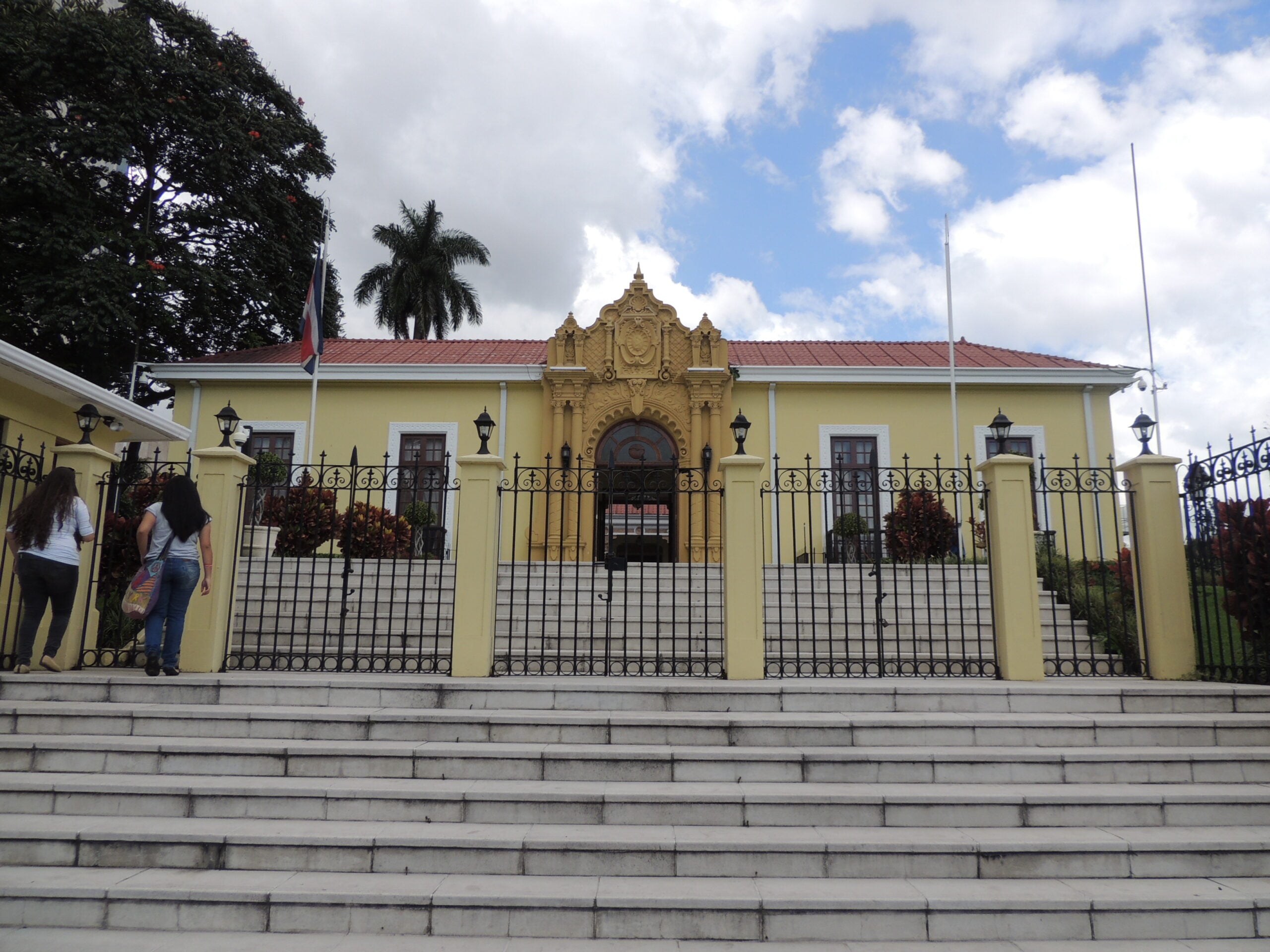
How Costa Rica residency is structured in law
Two texts govern the whole process. Ley 8764 of 19 August 2009 appeared in La Gaceta 170 on 1 September 2009. The Reglamento de Extranjería, decree 37112-GOB, followed in Alcance Digital 64 to La Gaceta 95 on 17 May 2012. Article 77 defines permanent residence as authorisation to stay for an indefinite period. Article 78(1) opens that route after three consecutive years as a temporary resident. First-degree blood relatives of Costa Ricans reach it directly.
Article 79 defines temporary residence as a set period, longer than ninety days and up to two years, renewable for the same. Pensionados, rentistas and investors all sit there. Both classes must keep uninterrupted health-service cover, under article 78 for permanent residents and article 80 for temporary ones. The income tests are fixed: a lifetime pension of US$1,000 a month for a pensionado, US$2,500 a month for a rentista, and US$150,000 for an investor.
Documents, apostilles and translations
Three articles of the reglamento decide whether your paperwork is even looked at. Article 8 requires every document from abroad to be apostilled, or legalised by the Costa Rican consul in the issuing country and then authenticated by the foreign ministry. Article 9 confirms the apostille route under the Hague Convention, adopted here by Ley 8923 of 22 February 2011. Article 11 requires anything not in Spanish to carry a literal translation by an official translator, or by a notary who knows the language.
The core set is short but exacting. You need a signed application giving your particulars, your claim, your current address and an address for notifications, signed before a public official or authenticated by a lawyer. You need a birth certificate from your country of origin, apostilled or legalised. You need a police certificate from your country of origin, or from wherever you legally lived for the last three years, with proof of that residence. Add certified copies of the passport pages showing your details and the Costa Rican entry stamp.
Every fee, and the one most guides get wrong
The application itself costs US$50 under article 42 of the reglamento, and the receipt is an admissibility requirement rather than an optional extra. Fiscal stamps add ¢125 (about US$0.28) plus ¢2.50 (about US$0.01) a page. Every colón figure here is converted at ¢450 (about US$1), the rate on 23 September 2026. Issuing the document that accredits legal permanence costs US$30 under article 253 of Ley 8764. The migration fund levy is US$25 on grant and at each renewal, and US$5 a year for non-residents and special categories.
Here is the correction worth printing. The US$50 is the application fee, not a change-of-status fee. Changing your migration category while inside the country costs US$200 under article 89 of Ley 8764. That applies to most applicants, with parents or guardians of Costa Rican children the exception. Extending a tourist stay is a separate US$100 under article 90. The identity card then costs US$95 to US$133 by category, plus processing and shipping.
The repatriation deposit nobody quotes correctly
The guarantee deposit is not a flat sum. It is 75% of the cost of an open one-year ticket to your country of origin or last habitual residence. The directorate sets it by route, and the law caps it at the value of a high-season fare. The basis is article 10 of the guarantee fund regulation, article 133 of Ley 8764 and article 46 of the reglamento. Documented examples from 2024 show how wide the spread is: US$20 for a Nicaraguan, US$596 for a Dominican, US$1,586 for a Dutch national.
Refugees, asylum seekers and stateless people are exempt. On a change of category their deposit is capped at 20% of a salario base, which is ¢92,440 (about US$205) in 2026. Salaried workers are excluded under article 134, with the employer depositing instead. Refunds are tightly drawn. Article 32 authorises none unless the system shows you left the country, except on change of category, naturalisation or death. Article 54(b) refuses a refund outright if you overstayed.
The sequence, step by step
File the application with the US$50 receipt, the fiscal stamps and the apostilled, translated set. You can file at the directorate service platform, at a regional office, or through the Trámite Ya online route. Then you wait for the resolution. When approval is notified you have ninety days to book the documentation appointment, under article 172. Book it inside that window and the notified resolution itself becomes your proof of legal stay, under article 55(b). Keep it in good condition and carry it.
Pay the amounts the resolution specifies into finance ministry account 242480-0 at the Banco de Costa Rica, in colones, before the appointment. Bring the physical receipt in the exact name on the resolution, and expect wet-ink signatures only. Register with the health service first, because immigration verifies affiliation before documenting you. Book through the directorate on 1311, the bank on 800-227-2482, or the postal service. Older applicants and people covered by Ley 7600 may attend without an appointment from 7:20am, capped at twenty-seven a day.
How long it takes, and what overstaying costs
The ombudsman reported on 19 August 2026 that the directorate is in structural crisis. The Trámite Ya route runs about a year behind while taking 400 to 500 applications a month. The unit that resolves files has roughly twenty-five officials, each carrying about 1,500 pending cases, and 7,000 identity cards were waiting to be printed. Ten recommendations followed. The directorate disputes the picture, saying the data is from 2025 and the backlog has fallen by 80%.
No statutory clock obliges the directorate to resolve an application, and no institution publishes an average. Plan for a year or more. Overstaying is priced separately: article 33(3) allows a fine of US$100 for each month of irregular stay, or a re-entry ban of three times the overstay. Article 137 bars any refund of your guarantee deposit where a deportation is carried out, or where you stayed longer than authorised, and the money pays for the removal instead.
Frequently Asked Questions
How much does Costa Rica residency cost in official fees?
The application is US$50, a change of migration category is US$200, the permanence document is US$30 and the migration fund levy is US$25 a year. The identity card then costs US$95 to US$133 by category, and the repatriation deposit varies by nationality. Lawyer, apostille and translation costs are extra and are not published anywhere official.
Do I need to join the health service before my residency is documented?
Yes. Immigration verifies your affiliation before documenting you, and article 80 of Ley 8764 requires temporary residents to keep that cover without interruption. Article 78 imposes the same duty on permanent residents.
How long does a Costa Rica residency application take?
Nobody publishes an average, and no law sets a deadline for the directorate to decide. The ombudsman found in August 2026 that the online route was running about a year behind. Budget a year or more and keep your notified resolution as proof of legal stay in the meantime.
What happens if I overstay my authorised entry?
Article 33(3) of Ley 8764 allows either a fine of US$100 for each month of irregular stay or a re-entry ban lasting three times the overstay. You also lose the repatriation deposit, which is then used to pay for your removal.
Connected Coverage
- Costa Rica residency guide for expats
- Moving to Costa Rica: the full relocation guide
- Costa Rica taxes: a guide for expats
This article was produced by The Rio Times’ automated newsroom system. How we use AI · Report an error
Read More from The Rio Times
Rotate for Best Experience
This report is optimized for landscape viewing. Rotate your phone for the full experience.
You've reached your free article limit
Subscribe to The Rio Times for unlimited access to expert analysis, market intelligence, and daily briefings on Latin America.