Seven Costa Rica National Parks and What Each One Costs
Costa Rica · NATURE
Key Facts
- —What happened Costa Rica’s top national parks now sell tickets online only; unbooked visitors get turned away.
- —How big a jump Entry fees are US$15-US$18 for adults, but the real cost is US$80-US$120 daily for a guide.
- —The real story Manuel Antonio caps 600 daily visitors and closes Tuesdays, so the limit, not price, blocks you in high season.
- —The catch Cahuita asks a US$5 to US$10 donation, not a fixed ticket, making it the cheapest wildlife park.
- —Who it touches Foreign adults visiting these four parks must book via SINAC’s official portal, not overcharging resellers.
- —What comes next Check SINAC’s site in the week you travel, as fees, hours and daily caps change without much warning.
Turning up at the gate no longer works at several of the big ones. Fees, hours, caps and the booking rules for seven parks.
Costa Rica national parks have quietly changed how they work. At several of the best known, tickets are sold online only and the gate will turn you away.
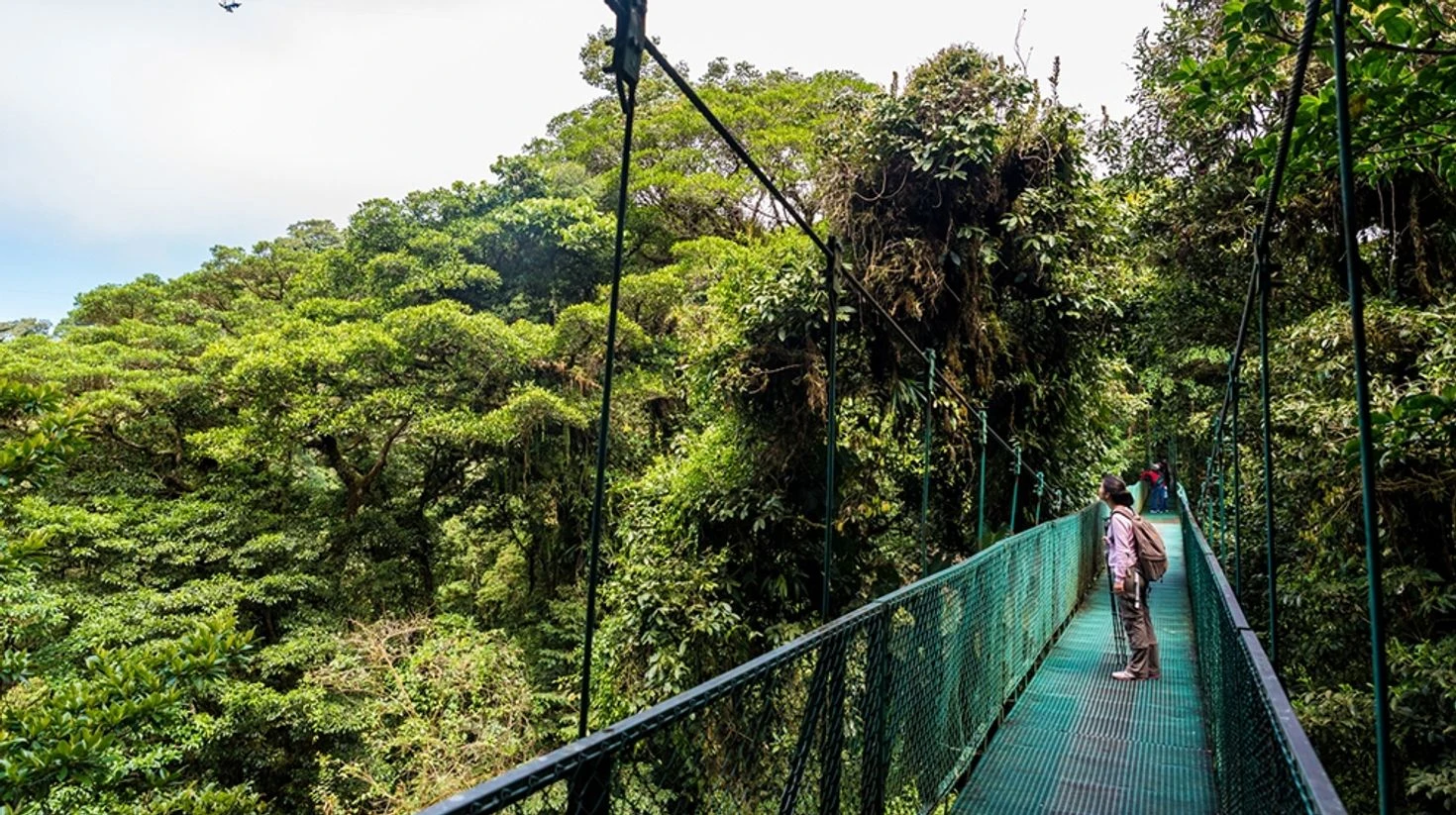
The change nobody announces to visitors
Costa Rica national parks used to work the way parks do everywhere. You drove up, paid at a hut and walked in.
At several of the most visited parks that is over. Tickets are sold in advance through the park service’s online system and there is no counter at the entrance.
Manuel Antonio, Poás and Tortuguero all work this way. Arriving without a booking means being turned around.
The system is run by SINAC, the government agency in charge of the national parks. Book through its official website rather than a reseller.
Manuel Antonio
This is the busiest of Costa Rica national parks, on the central Pacific coast. It is also the one where the new rules bite hardest.
Entry is US$18 for adults from 13 up, US$5 for children aged two to twelve, and free below two.
It opens Wednesday to Monday from 07:00 to 16:00, with entry windows every fifteen minutes until 15:00. It is closed on Tuesdays.
Only 600 visitors are let in each day. In high season that sells out, so book several days ahead rather than the night before.
Poás Volcano
Poás is an hour and a half from San José. It is the easiest active volcano crater in Central America to reach.
Entry is US$15 for foreign adults and US$5 for children two to twelve. It opens daily from 08:00 to 16:00, with last entry at 14:00.
You must book online in advance, and nothing is sold at the gate. Your ticket carries a short arrival window, reported as 20 minutes.
The visit itself is short by design. The crater viewpoint is a walk of minutes, and time at the rim is limited for safety.
Corcovado
Corcovado sits on the Osa Peninsula in the far south. National Geographic once called it the most biologically intense place on earth.
Entry is about US$17 for a non-resident adult. That is not the real cost.
A certified guide is standard, and in practice you need one. Day trips to the Sirena station from Drake Bay run around US$110 per person, boat included.
Guides alone are quoted at US$80 to US$120 a day. Budget for the package rather than the ticket.
Getting there is its own journey, usually by boat from Sierpe to Drake Bay or by small plane.
Tortuguero
Tortuguero is on the Caribbean coast and can only be reached by boat or small plane. Green turtles nest there between July and October.
Entry is US$17 for non-resident adults and US$5 for children aged six to twelve, plus tax.
Tickets must be bought online in advance. There are no gate sales.
Most visiting is done from a boat on the canals rather than on foot. Book a guided trip and the park entry is usually handled with it.
Cahuita
Cahuita is on the southern Caribbean, with a coral reef just offshore. Its flat coastal trail is one of the best easy walks in the country.
The Kelly Creek entrance still asks for a donation rather than a fixed ticket. Guidebooks suggest US$5 to US$10 a person.
That makes Cahuita much the cheapest serious wildlife park in the country.
Pay the donation. It funds the park, and a free entrance that stops being funded stops being free.
Rincón de la Vieja
Rincón de la Vieja is in Guanacaste, in the dry north-west. It is built around a volcano with bubbling mud pots and steam vents.
The Las Pailas sector charges US$15 per person per day. It opens Tuesday to Sunday from 07:00, with last entry at 15:00.
It is closed on Mondays. Tickets are picked up at the ranger station rather than booked online.
The mud pots trail is a loop of a couple of hours and needs no guide.
Arenal Volcano
Arenal is the postcard cone above La Fortuna. Most people combine the park with hot springs and a night in town.
Foreign entry is reported at around US$15.
The volcano has not erupted since 2010. You get old lava fields, forest trails and, if the cloud lifts, the cone itself.
Cloud is the variable. Mornings are the better bet.
What to check before you go
Fees, hours and daily limits at Costa Rica national parks change without much warning. Check the SINAC site in the week you travel.
Buy Costa Rica national parks tickets through the official portal. Resellers add a margin, and some sell tickets they cannot deliver.
And book early for Manuel Antonio and Poás. Those are the two where the cap, not the price, is what stops you.
More: Costa Rica news in English, every day from The Rio Times.
Frequently Asked Questions
How much do Costa Rica national parks cost?
Non-resident adult entry runs from about US$15 to US$18 at the main parks. Cahuita still operates on a voluntary donation at its Kelly Creek entrance.
Do I need to book online?
At Manuel Antonio, Poás and Tortuguero, yes. Tickets are sold in advance through the SINAC portal and there are no gate sales.
Which park is closed on Tuesdays?
Manuel Antonio. It opens Wednesday to Monday, 07:00 to 16:00, and caps entry at 600 visitors a day.
Do I need a guide for Corcovado?
In practice yes. A certified guide costs US$80 to US$120 a day. A Sirena day trip from Drake Bay runs about US$110 including the boat.
Sources
This article was produced by The Rio Times’ automated newsroom system. How we use AI · Report an error
Read More from The Rio Times