Copper’s Record Run Hands Chile a Windfall as Cochilco Lifts Its Forecast
Chile · Mining
Key Facts
- —The upgrade Chile’s copper commission Cochilco raised its 2026 average copper price forecast to US$5.95 a pound, from US$5.55.
- —The 2027 view It kept its 2027 forecast unchanged at US$5.10 a pound.
- —The records COMEX copper hit an intraday record near US$6.77 a pound on August 7, with London prices above US$14,000 a tonne.
- —The drivers Cochilco cited strong demand and tight supply; markets add US tariff stockpiling and the energy-and-AI boom.
- —The paradox Even as prices soar, Chile’s own 2026 output is seen slipping to 5.27 million tonnes.
The world suddenly wants far more copper than it can dig up. For Chile, which lives off the metal, that shortage is turning into money.
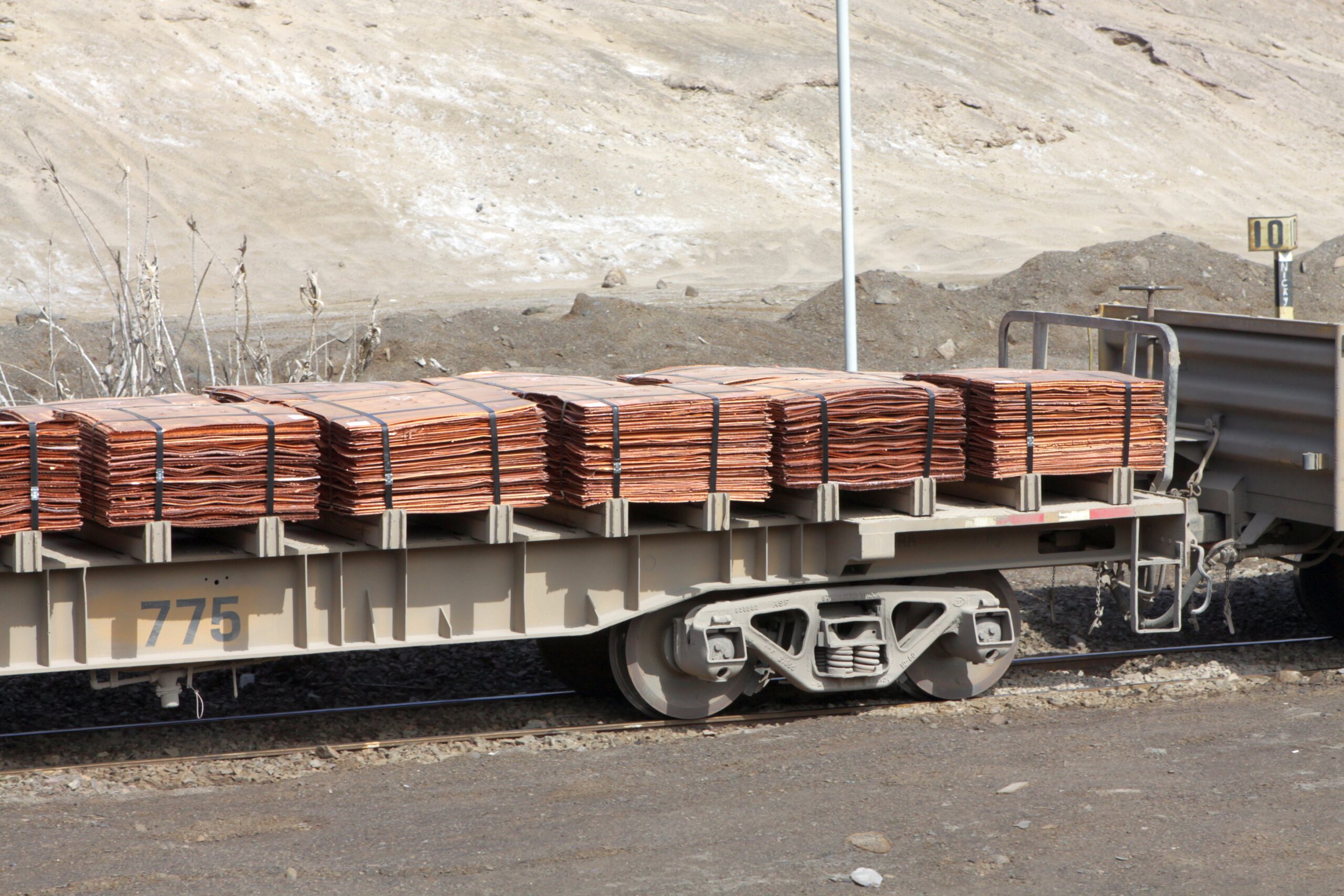
Copper is on a tear, and few countries feel it as directly as Chile — home to Cochilco, the state copper commission. It has just raised its price forecast for the year.
A quiet acknowledgement that the red metal is worth far more than it thought.
What Cochilco changed
The revision is blunt and bullish. Cochilco lifted its 2026 average copper price forecast to US$5.95 a pound.
However, that is up from its earlier call of US$5.55, a sizeable jump for a body that tends to be cautious. By contrast, for 2027 it held steady at US$5.10 a pound, suggesting it sees this year’s surge as partly a spike.
Prices that keep breaking records
The forecast is chasing a market that has been running hot. Meanwhile, in early August, copper set fresh highs.
On August 7, copper in New York hit an intraday record near US$6.77 a pound. In London, prices pushed above US$14,000 a tonne.
As a result, these are levels that reshape budgets and business plans, not just trading screens. Prices at these heights ripple far beyond the mine, into everything from electrical wiring to the cost of building a power grid.
Live Market IntelligenceChile — Live Market Board
Rio Times · Live Market Intelligence
Chile — Live Market Board
-0.66%
183,223.75
+0.13%
64,944.41
-0.07%
11,064.58
-0.66%
2,771,311
-0.99%
2,565.60
-0.53%
60,220.45
+0.02%
| Instrument | Last | Change | YoY | Prev. | High | Low | Volume |
|---|---|---|---|---|---|---|---|
| IPSA | 11,064.58 | -0.66% | — | 11,137.59 | 11,210 | 10,984 | 1,513,213,483 |
| USD/CLP | 913.98 | +0.04% | -5.67% | 913.65 | 915.11 | 906.68 | — |
| COPPER | 6.61 | +0.03% | +46.70% | 6.61 | 6.71 | 6.61 | 39,543 |
| SQM-B | 65,305 | -0.84% | +49.03% | 65,860 | 66,949 | 64,978 | 76,539 |
| COPEC | 5,964 | -1.09% | -11.70% | 6,030 | 6,100 | 5,960 | 634,331 |
| BSANTANDER | 78.37 | -2.28% | +35.94% | 80.20 | 81.69 | 78.34 | 36,288,711 |
| FALABELLA | 6,334 | -1.48% | +23.28% | 6,429 | 6,450 | 6,300 | 26,085,814 |
| ENELAM | 87.09 | +0.10% | -10.13% | 87.00 | 87.40 | 86.50 | 13,106,417 |
| CENCOSUD | 1,946 | -2.19% | -35.30% | 1,990 | 2,010 | 1,945 | 966,528 |
| CMPC | 1,020 | -1.96% | -29.10% | 1,040 | 1,050 | 1,015 | 3,526,677 |
| BANCO CHILE | 184.96 | -1.01% | +32.87% | 186.85 | 189.99 | 184.33 | 18,101,240 |
| LATAM AIR | 24.08 | -1.11% | +16.61% | 24.35 | 24.59 | 23.88 | 573,612,753 |
| SOUTHERN COPPER | 193.97 | -0.26% | +104.01% | 194.48 | 199.36 | 192.59 | 367,102 |
Why the world wants more copper
The demand story is structural, not a passing fad. Copper is the metal of electrification.
For example, power grids, electric cars, solar farms and wind turbines all need it in large quantities. On top of that, the boom in data centres for artificial intelligence is adding a hungry new customer to the queue.
In short, the modern economy is being wired, and copper is the wire. That single fact underpins the whole rally.
A metal with a long runway
What makes this more than a passing rally is the timeline. After all, the energy transition is a decades-long project.
Every wind farm and charging network built from here adds to copper demand for years to come. That is why many analysts believe the world is heading into a structural copper shortage, not a brief squeeze.
A supply that can’t keep up
Demand alone does not make a price surge; scarcity does. And copper supply is tight.
Meanwhile, new mines take a decade or more to build, and many existing ones are ageing and lower-grade. Cochilco pointed squarely to that mismatch, citing strong demand meeting persistent supply tightness.
The tariff twist from Washington
One more force has supercharged the market this year. The prospect of US tariffs on copper set off a scramble.
Buyers rushed to stockpile metal before any levy landed, pulling supply and pushing prices higher. That frenzy widened the gap between US and London prices, a sign of just how jittery the market became.
It is a striking reversal from years of cheap copper, when miners struggled to justify new investment at all.
What it means for Chile’s finances
For Chile, copper is not one industry among many; it is the backbone of the economy. The metal makes up a huge share of exports and a major slice of government revenue.
Higher prices flow almost directly into the treasury, easing deficit pressure and brightening the fiscal outlook.
A boost the government badly wants
Moreover, the timing is helpful. Like many governments, Chile’s has been juggling spending demands and budget limits.
A copper windfall loosens that squeeze, giving policymakers a little more room to breathe. It can also support the Chilean peso, which tends to strengthen when copper earnings rise.
The paradox at the heart of it
There is an awkward footnote to the good news. Even as prices soar, Chile is digging up less copper.
Cochilco trimmed its 2026 output forecast to 5.27 million tonnes, about 2.6% below the previous year. Ageing mines, water constraints and permitting delays all weigh on production.
Price versus volume
That tension matters. Chile earns from both how much copper it sells and how high the price is.
For now, soaring prices more than offset softer volumes, so the country still comes out ahead. But it is a reminder that Chile cannot simply rely on prices; it must also keep its mines productive.
A risk hiding in the boom
Yet windfalls can breed complacency. High prices ease pressure to fix the harder problems.
Investment in new capacity, water and cleaner processing still has to happen, boom or not. The danger is treating a price spike as a permanent solution rather than a lucky reprieve.
The regional race for copper
Meanwhile, Chile’s slipping output opens a door for its neighbours. The Andes hold copper well beyond Chilean borders.
Peru is already a major producer, and Argentina is pushing projects like Los Azules to join the club. In addition, high prices are the strongest possible invitation.
They make even difficult, remote deposits worth developing.
What to watch next
The near-term signal is whether copper holds these record levels or cools as tariff fears settle. Longer term, watch Chile’s output.
If production keeps slipping, rivals like Peru and Argentina will chase the gap. For now, though, Chile is enjoying a rare and welcome tailwind from the metal that built it.
Either way. The metal that has funded Chilean schools and pensions for generations is once again at the centre of the country s fortunes.
Frequently Asked Questions
What did Cochilco change?
It raised its 2026 average copper price forecast to US$5.95 a pound, up from US$5.55, while keeping its 2027 forecast at US$5.10.
Why is copper so expensive right now?
Strong demand from electrification and AI, tight global supply. And a rush to stockpile ahead of possible US tariffs have driven prices to records.
How high did copper prices go?
COMEX copper hit an intraday record near US$6.77 a pound on August 7, with London prices above US$14,000 a tonne.
Why does this matter for Chile?
Copper is the backbone of Chile’s exports and public revenue, so higher prices boost the budget and support the peso.
Is Chile producing more copper?
No. Cochilco trimmed its 2026 output forecast to 5.27 million tonnes, about 2.6% below the previous year, even as prices rise.
Connected Coverage
Sources: Cochilco; Reuters; COMEX; London Metal Exchange.
This article was produced by The Rio Times’ automated newsroom system. How we use AI · Report an error
In depth
Read More from The Rio Times