Colombian Mato Grosso: De la Espriella’s US$1.3 Billion Agro Plan
Agribusiness: Colombia
Key Facts
—Plan. President-elect Abelardo De la Espriella’s team is studying a 20-year “state plan” to develop farmland in the Llanos Orientales, pitched as a “Colombian Mato Grosso.”
—Scale. The proposal would bring roughly two million new hectares of the eastern high plains (Altillanura) into production over two decades.
—IDB role. A representative of the Inter-American Development Bank (IDB) attended the Barranquilla presentation, signaling a possible multilateral financial sponsor.
—Targets. Backers project three million tonnes of soy and corn by 2030 and up to 20 million tonnes by 2045, sharply cutting Colombia’s grain imports.
—Caveat. Analysts warn that land-tenure insecurity and weak rural roads, not soil quality, are the main obstacles to the vision.
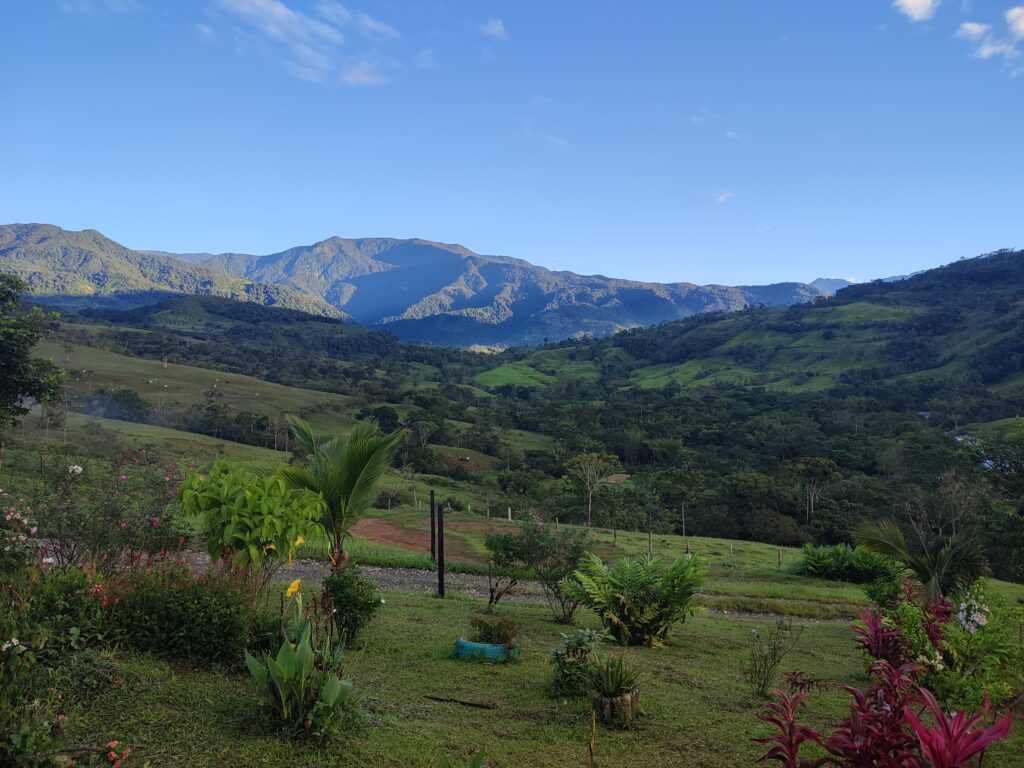
President-elect Abelardo De la Espriella’s team is exploring a 20-year, IDB-backed plan to turn Colombia’s Llanos Orientales into a ‘Colombian Mato Grosso,’ an agribusiness-led growth model built on soy, corn and cattle.
What De la Espriella’s Team Is Proposing
Last week in Barranquilla, where the president-elect has been assembling his cabinet, a group of investors and technical experts from Colombia’s Orinoquía region and from Brazil presented a plan to designated ministers and a representative of the Inter-American Development Bank (IDB), according to the business daily Portafolio, which reviewed the document.
The presentation was signed by the business association Prorinoquia and the “Soya-Maíz Proyecto País” initiative, drawing on figures from the think tank Fedesarrollo and from Scheffer Colombia, the local arm of a Brazilian agricultural group. Its core thesis is that the eastern savanna can repeat, in a compressed timeframe, what the Brazilian state of Mato Grosso achieved over four decades.
The document lays out a 20-year plan that would eventually bring about two million hectares into production. Backers estimate the private sector would need to commit US$1.3 billion in capital investment for the first stage alone, plus a further US$440 million in working capital.
The ‘Colombian Mato Grosso’ Comparison
Mato Grosso is central-western Brazil’s agricultural engine. Its soils are acidic, high in aluminum and poor in calcium and magnesium, almost the same defects found in Colombia’s Altillanura high plains. Yet the state went from just over one million hectares harvested in 1980 to close to 20 million by 2020.
Today Mato Grosso is Brazil’s leading producer of cattle, soybeans, corn and cotton, and its farm-sector output grew by an average of 11.5% a year between 2003 and 2021. For the plan’s authors, that trajectory is the template: correct the soil, secure the land and build the roads, and the Colombian plains could follow.
The label ‘Colombian Mato Grosso’ is deliberately aspirational. It frames the Llanos Orientales not as a frontier to be tamed slowly, but as a region that could become a globally competitive grain and protein basket within a generation.
Why the Numbers Are Striking
According to the Fedesarrollo study underpinning the proposal, the Orinoquía holds 25.5 million hectares, with an agricultural frontier of about 15 million once protected areas are excluded. In the Altillanura specifically, of 6.9 million available hectares, only 238,000 were harvested in 2023, or 3.4%.
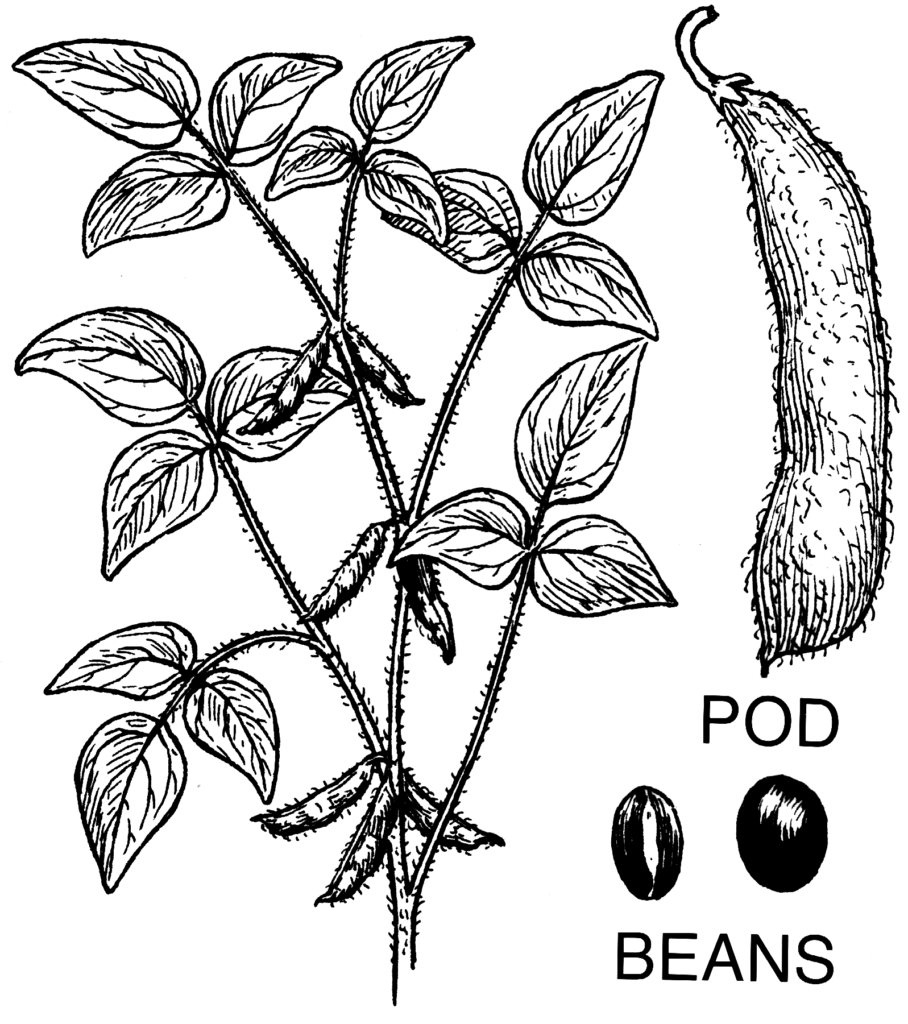
Colombia currently imports around seven million tonnes of yellow corn and soybeans a year, a deficit that cost roughly US$3.1 billion in 2023. The plan projects three million tonnes of local soy and corn between 2026 and 2030, enough to cut imports by 37.5%, rising toward eight million tonnes by 2034 and 20 million by 2045, with 12 million earmarked for export.
For foreign readers, the appeal is straightforward: a large, underused, relatively flat landmass close to the Orinoco river system, in a country that already imports much of its grain. The gap between potential and current use is the whole argument.
The Obstacles Analysts Flag
The same study that excites the incoming cabinet delivers a blunt warning: the biggest barrier to investment is not soil or roads but legal insecurity over land ownership. In six of the Altillanura’s seven municipalities, between 60% and 80% of properties are informal, against a national average of 52.7%.
Two Colombian laws sit at the center of the debate. Law 160 of 1994 limits the accumulation of land that was once public property beyond the size of a Family Agricultural Unit, while the 2016 Zidres law, meant to unlock large-scale projects, has not produced a single approved zone in eight years. Reforming them touches sensitive questions of land concentration and conflict-victim restitution.
Infrastructure is the other bottleneck. The Altillanura spans nearly 140,000 square kilometers but has only about 353 kilometers of primary roads, and moving a tonne of freight there costs almost double the national average. Fedesarrollo proposes the state spend COP 1.5 trillion (about US$370 million) over ten years just to rehabilitate the 750-kilometer road between Puerto López and Puerto Carreño.
A Signal About the Incoming Government’s Model
De la Espriella toured Vichada, in the heart of the Orinoquía, the same week, visiting a technified cattle ranch and a soy-and-corn estate. He wrote on X that he had toured not just farms and crops but ‘a vision for the country: a Colombia that believes in its countryside again.’
The framing positions agribusiness as the engine of the new administration’s growth strategy, with import substitution and rural infrastructure as headline goals. The presence of an IDB representative at the Barranquilla meeting, days before the president-elect takes office, suggests the search for a multilateral financial backer is already under way.
Supporters and critics agree on the stakes but not the method. Fedesarrollo estimates that, fully implemented, the agenda could lift national farm-sector GDP 20% higher by 2045 and total GDP 8.2% higher, generating up to 54,000 jobs a year. Critics counter that changing land laws written to curb concentration and repair war victims is politically fraught, and that a production-first model must address who benefits, not only how much is grown.
More: Colombia news in English, every day from The Rio Times.
Frequently Asked Questions
What is the ‘Colombian Mato Grosso’ plan?
It is a 20-year proposal, studied by president-elect De la Espriella’s team, to develop about two million hectares of farmland in the Llanos Orientales, modeled on Brazil’s Mato Grosso and aimed at boosting soy, corn and cattle output.
What role would the IDB play?
A representative of the Inter-American Development Bank attended the plan’s presentation in Barranquilla. The document envisions a multilateral lender as financial sponsor, though no formal financing agreement has been announced.
What are the main risks to the plan?
Analysts at Fedesarrollo say informal land tenure and poor rural roads are the chief obstacles, and that unlocking large-scale farming would require reforming sensitive land-ownership and restitution laws.
Sources
Portafolio · La Silla Vacía · El Espectador · Bloomberg Línea
Connected Coverage
More coverage of Colombia’s incoming government and its economic agenda:
Sources: Portafolio; Fedesarrollo (via Portafolio); La Silla Vacía; Bloomberg Línea.
This article was produced by The Rio Times’ automated newsroom system. How we use AI · Report an error
In depth
Read More from The Rio Times