Colombia Water Emergency: Bogotá Rationing, Hydropower at Risk
Climate & Infrastructure
Key Facts
—National disaster. President Gustavo Petro signed Decree 0037 in January 2024, declaring a 12-month national disaster situation due to El Niño.
—Bogotá rationing. The Chingaza reservoir system, supplying 70% of the capital’s water, fell to 16-17% capacity, triggering rotating 24-hour shutoffs across nine zones.
—Widespread scarcity. Over 565 municipalities reported water shortages, with 91 implementing rationing and multiple departments declaring public calamity.
—Energy risk. National reservoirs dropped below 31% capacity, threatening hydropower generation that supplies roughly 60% of Colombia’s electricity.
—Financial mobilisation. The government redirected over US$1.2 billion toward El Niño readiness, prioritising water security, energy grids, and agriculture.
Colombia declared a national disaster and imposed water rationing across its capital as the El Niño weather phenomenon pushed reservoir levels to historic lows, threatening drinking water for millions and the hydropower that keeps the economy running.
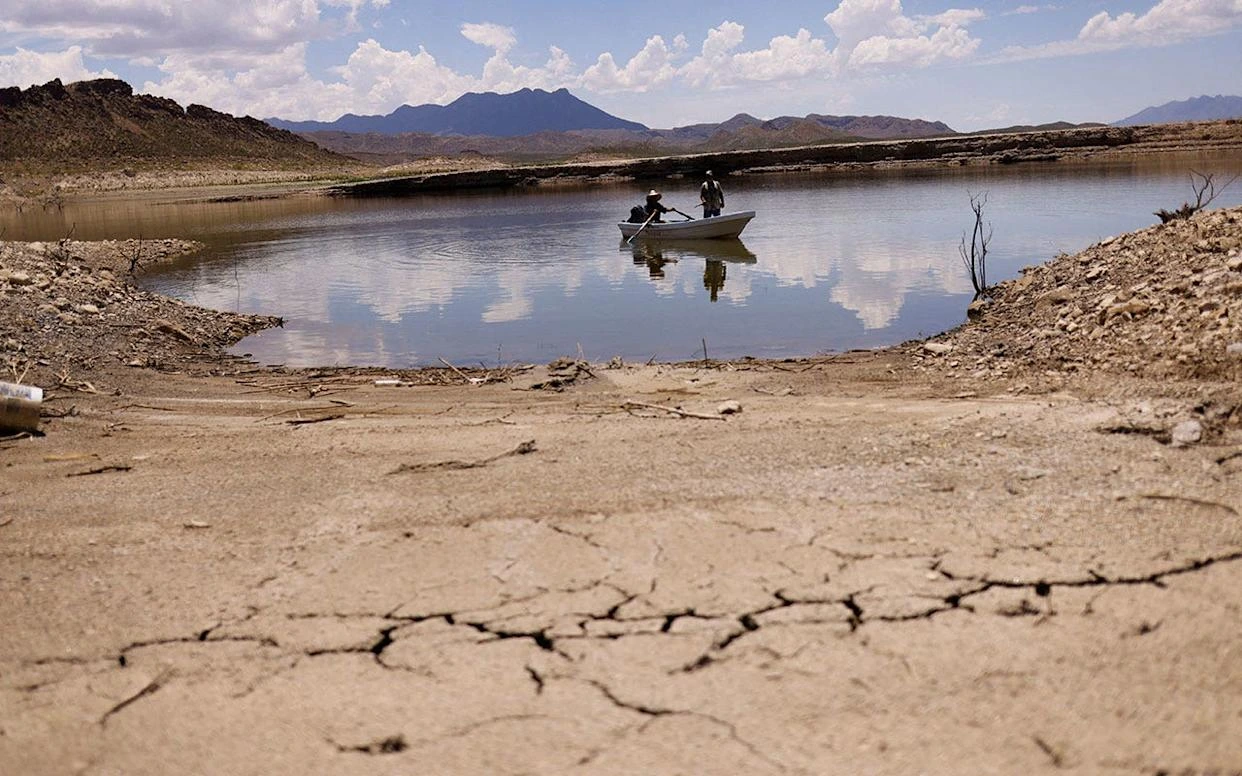
The Colombia water emergency: what triggered the crisis
Since late 2023, Colombia has been locked under El Niño conditions that bring less rainfall, higher temperatures, and prolonged drought, particularly to the Caribbean, Andean, and Pacific regions.
IDEAM, the national meteorological institute, formally declared the start of El Niño on 4 November 2023, based on a technical communiqué issued the previous day, and activated early-warning systems across the country.
By January 2024, President Gustavo Petro signed Decree 0037, declaring a national disaster situation for 12 months that unlocked exceptional budget shifts and emergency powers.
For readers unfamiliar with the term, El Niño is a natural climate pattern marked by unusually warm ocean temperatures in the central and eastern Pacific. It disrupts normal weather worldwide, and in northern South America it typically means suppressed rainfall and extended dry spells.
A national disaster declaration, meanwhile, is a legal tool that lets the executive branch fast-track spending, reallocate funds without standard congressional approval, and coordinate military and civilian agencies under a single emergency command.
The significance of this early phase goes beyond weather charts. By activating the decree when it did, the government signalled that it expected the drought to deepen and wanted to front-load resources before reservoirs hit truly critical levels.
That kind of pre-emptive move is relatively rare in the region and reflects lessons from past El Niño cycles that caught administrations off guard.
Bogotá’s reservoirs and the race to avoid running dry
Bogotá became the most visible face of the Colombia water emergency when the Chingaza, Chuza, and San Rafael reservoir system fell to roughly 16–17% of capacity, the lowest level in decades.
That system supplies about 70% of the capital’s water, and officials warned that only 50 to 60 days of supply remained if conditions did not improve.
The city was divided into nine zones, each facing 24-hour water shutoffs on a rotating basis to slash consumption and give reservoirs time to recover.
Rotating rationing of this kind is a managed scarcity tool. Rather than waiting for a system-wide failure, the utility deliberately cycles outages neighbourhood by neighbourhood.
This keeps pressure in the pipes high enough to prevent contamination and gives households predictable windows to store water. For a city of roughly eight million people, the logistical challenge is enormous, and compliance depends heavily on clear public communication.
What makes Bogotá’s situation especially delicate is its altitude and geography. The Chingaza system sits high in the eastern Andes, fed by páramo ecosystems—sponge-like high-altitude wetlands that slowly release water.
When rainfall fails, those sponges dry out, and recovery can take months even after rains return.
Beyond the capital: a national drought unfolds
The Colombia water emergency extends far beyond Bogotá, with humanitarian reports documenting shortages in 565 municipalities and rationing in 91 of them.
Multiple departments, including La Guajira, Magdalena, Huila, Sucre, Boyacá, Santander, Atlántico, and Valle del Cauca, declared public calamity over water scarcity.
By April 2024, Colombia’s main reservoirs sat at less than 31% of capacity, just a few points above levels that would trigger national power-grid alerts.
A departmental public calamity declaration functions like a local version of the national disaster decree. It lets governors and mayors redirect budgets, request national support, and impose temporary restrictions on water use without the usual bureaucratic delays.
The geographic spread of these declarations—from the Caribbean coast to the Andean interior—shows that this is not a single-region problem but a structural stress test for Colombia’s water infrastructure.
Hydropower and the economic read-through
Roughly 60% of Colombia’s electricity comes from hydropower, making the Colombia water emergency a direct threat to energy supply and business continuity.
The government redirected over US$1.2 billion toward El Niño readiness, prioritising water security, energy grid stability, and agricultural support to cushion the economic blow.
For investors and expats, the crisis signals heightened operational risk in water-intensive sectors and potential electricity cost volatility if reservoir levels do not recover.
This heavy reliance on hydropower is both a strategic advantage and a vulnerability. In normal years, it gives Colombia some of the cleanest and cheapest electricity in Latin America.
During severe drought, however, the grid operator must fall back on thermal plants—usually gas or coal—which are costlier to run and can push up wholesale power prices. The US$1.2 billion redirected by the government is meant in part to subsidise those thermal backups and to fund emergency water deliveries for agriculture, a sector that employs a large share of the rural workforce.
What comes next: a “super” El Niño on the horizon
IDEAM and other agencies have warned that the probability of a very strong El Niño affecting Colombia in the coming months exceeds 80%.
Projections point to prolonged drought, record heat, further drops in reservoir levels, and increased forest fires and crop failures.
On a more encouraging note, Bogotá’s reservoirs are currently in a more stable condition than during the 2023–2024 peak, and the capital’s utility does not expect near-term rationing, though this depends on rainfall and continued conservation.
What to watch next is whether the early conservation efforts in Bogotá can hold if the predicted super El Niño materialises. Another open question is how the national grid operator will manage the balance between hydropower and thermal generation if reservoir levels dip below the alert threshold.
Finally, readers with business interests in Colombia will want to monitor whether the government extends or modifies the disaster decree as the 12-month window approaches its end, since that decision will shape emergency spending and regulatory flexibility well into the following year.
Sources
- El Colombiano – Gobierno declarara desastre nacional por fenomeno de El Niño
- BluRadio – Petro declara situacion de desastre nacional por El Niño
Frequently Asked Questions
Is Colombia actually going to run out of water?
Not entirely, but parts of the country have come dangerously close to critically low reservoir levels where urban systems and hydropower plants could fail without drastic rationing. The national disaster declaration and emergency measures are specifically designed to prevent that outcome, though the risk remains serious if dry conditions persist.
How does the Colombia water emergency affect electricity supply?
Since hydropower generates roughly 60% of Colombia’s electricity, low reservoir levels directly threaten energy supply. When national reservoirs dropped below 31% capacity, they approached levels that trigger power-grid alerts, raising the prospect of electricity rationing or price increases for businesses and households.
What is the government doing to manage the water crisis?
President Petro declared a 12-month national disaster via Decree 0037, unlocking exceptional budget powers and emergency coordination. The government redirected over US$1.2 billion toward water security, energy grid stability, and agriculture, while local authorities imposed rotating water rationing in Bogotá and activated conservation campaigns nationwide.
Connected Coverage
Argentina’s Aerolíneas Orders 20 Jets in Self-Funded Renewal
Sources: IDEAM, the national meteorological institute; President Gustavo Petro; Decree 0037.
This article was produced by The Rio Times’ automated newsroom system. How we use AI · Report an error
In depth
LatAm Markets: Live Signals → — real-time movers, turnover leaders and FX across Latin America.
Read More from The Rio Times