China is moving decisively to reshape its relationship with Central Asia through the construction of a new railway connecting Kashgar, Kyrgyzstan, and Uzbekistan.
This 523-kilometer (325-mile) railway project, known as the China-Kyrgyzstan-Uzbekistan Railway (CKU), represents a significant investment in regional connectivity and trade.
The project had languished for decades, but recent developments have brought it to the forefront. The Chinese government has committed approximately $8 billion to the railway, with $4.7 billion earmarked specifically for the Kyrgyz section.
Construction is expected to begin in late 2024, with completion anticipated by 2030. This railway will run from Kashgar in China’s Xinjiang province through Kyrgyzstan and into Uzbekistan, significantly enhancing trade routes across Central Asia.
Analysts suggest that this railway is just the beginning of a broader network that could eventually connect to other regions, including South Asia and Europe.
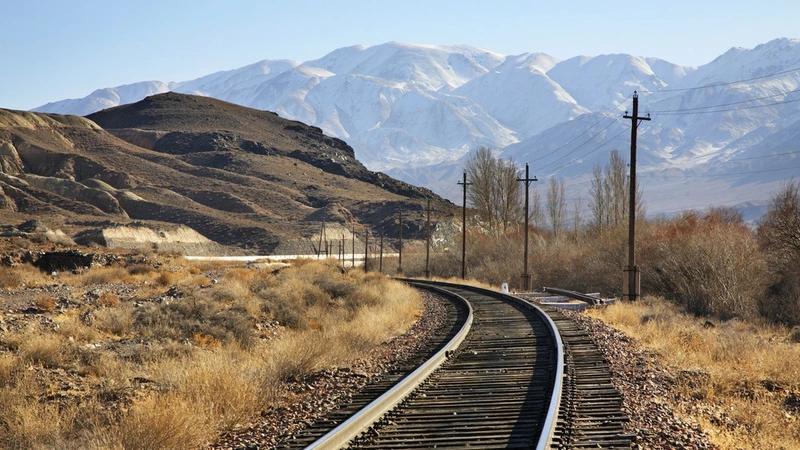
The CKU railway will not only facilitate faster transportation of goods but also reduce transit times significantly. Once operational, it is expected to carry around 15 million tonnes of freight annually.
Transforming Central Asia into a Global Trade Hub
The route could reduce delivery times by up to eight days compared to existing routes through Russia. This efficiency could make Central Asia a more attractive hub for international trade.
The strategic importance of this project cannot be understated. It provides China with an alternative route that bypasses traditional pathways through Russia, which have become increasingly complicated due to geopolitical tensions.
By establishing this railway, China aims to strengthen its economic ties with Central Asian nations while enhancing its influence in the region. Kyrgyzstan and Uzbekistan stand to gain substantially from this development.
Both countries are landlocked and have historically faced challenges in accessing global markets. The CKU railway promises to unlock new economic opportunities and improve logistics infrastructure, which is crucial for their economic growth.
The project has garnered support from various stakeholders, including state-owned rail companies from China, Kyrgyzstan, and Uzbekistan.
A joint venture will oversee the construction and operation of the railway, ensuring that all parties are invested in its success. However, challenges remain. Concerns about financing stability and potential cost overruns are prevalent among analysts.
The success of such large-scale infrastructure projects often hinges on effective management and clear agreements among participating nations.
This article was produced by The Rio Times’ automated newsroom system. How we use AI · Report an error
Read More from The Rio Times