China’s Guangdong’s Economic Struggles: A Powerhouse in Transition
Guangdong Province, once a beacon of economic growth in China, faces significant challenges in maintaining its economic momentum.
Historically, Guangdong has been a reliable contributor to China’s GDP, but 2024 has seen a noticeable slowdown in its economic growth.
The province’s GDP increased by only 3.4% in the first three quarters of the year, falling short of the national average of 4.8%. This gap has widened since the first half of the year, when Guangdong’s growth rate was 3.9%, compared to the country’s 5%.
The ongoing property market crisis has played a crucial role in this downturn. Once a major driver of economic expansion, the real estate sector has experienced a significant decline, impacting related industries.
Investments in real estate have dropped by 16.8% in the first half of 2024, reflecting the severity of the crisis. Major real estate companies like Evergrande face debt issues, further straining financial markets and investor confidence.
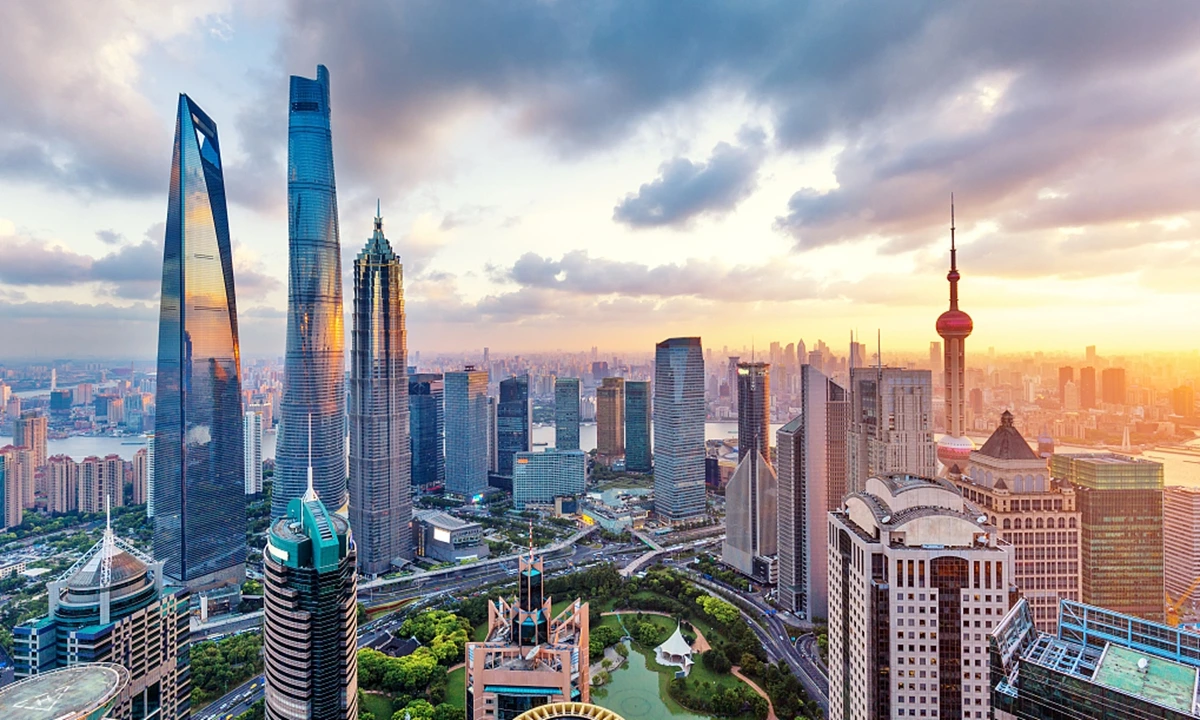
The economic performance across Guangdong’s cities varies significantly. Shenzhen, known for its tech industry, reported a robust GDP growth rate of 5.9% in the first half of 2024.
Guangdong’s Economic Challenge
In contrast, cities like Guangzhou and Foshan lag behind, with growth rates significantly lower than the provincial average. This uneven performance highlights the reliance of certain cities on traditional manufacturing and real estate sectors.
Compared to other major provinces like Jiangsu and Zhejiang, Guangdong’s slowdown is more pronounced. Jiangsu recorded a higher GDP growth rate of 5.8% in the first half of 2024, driven by balanced development across its cities and sectors.
This contrasts with Guangdong’s polarized economic landscape, where only a few cities drive growth while others stagnate.
In response to these challenges, Guangdong is focusing on stabilizing its economy by promoting tech industries. The province is also advancing manufacturing to offset the downturn in real estate.
The province also emphasizes boosting exports, with foreign trade increasing by 13.8% year-on-year as businesses explore emerging markets like Southeast Asia.
Additionally, Guangdong has implemented policies aimed at improving employment and entrepreneurship among graduates to stimulate economic activity.
These include incentives for graduates working in less developed regions and support for entrepreneurial ventures. Guangdong’s current economic challenges underscore the need for diversification and innovation in its strategies.
While it remains one of China‘s largest provincial economies, maintaining this status requires addressing structural issues within its key sectors and fostering more balanced regional development.
In short, the province’s ability to adapt to these changes will be crucial for sustaining its role as an economic leader in China.
This article was produced by The Rio Times’ automated newsroom system. How we use AI · Report an error
Read More from The Rio Times