China faces a new economic reality as foreign investment dwindles for the second consecutive quarter.
The country’s State Administration of Foreign Exchange reported an $8.1 billion deficit in foreign direct investment (FDI) for the third quarter of 2024.
This follows a larger $14.9 billion deficit in the previous quarter, marking an unprecedented trend in China’s economic history. The figures paint a stark picture of China’s changing economic landscape.
Multinational companies now hesitate to invest in the world’s second-largest economy. They recover more funds from existing operations than they put into new projects.
This shift reflects growing concerns about China’s economic health and its future prospects. China’s GDP growth slowed to 4.6% in the third quarter, down from 4.7% in the second quarter.
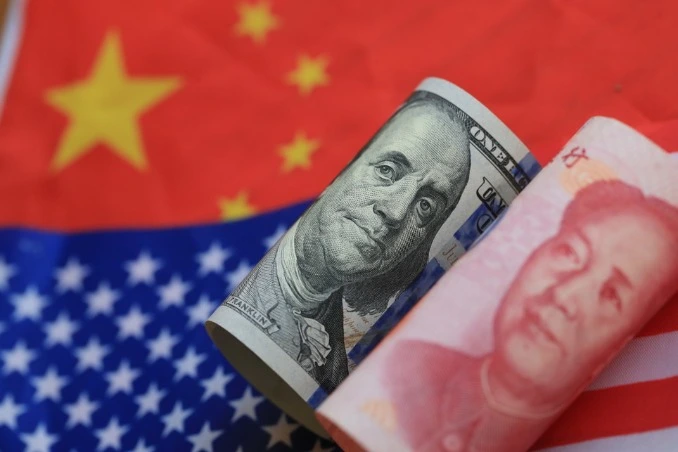
The real estate sector continues to struggle, dragging down overall economic performance. Consumer demand remains weak, further dampening growth prospects.
These factors combine to create a challenging environment for foreign investors. Japanese and American companies express particular caution.
A survey by the Japanese Chamber of Commerce in China revealed that 45% of Japanese firms plan to reduce or halt investments in 2024.
Similarly, American businesses report record-low optimism about operating in China over the next five years. Safety concerns also play a role in investment decisions.
Recent incidents involving Japanese nationals in China have heightened anxieties. These events may further discourage Japanese companies from expanding their presence in the country.
China’s Economic Landscape
The Chinese government recognizes the gravity of the situation. Premier Li Qiang recently emphasized the “sound fundamentals” of China’s economy at an international expo in Shanghai.
He highlighted the tech sector’s strong performance and urged global companies to increase their investments in China. However, words alone may not suffice to reverse the trend.
China faces the challenge of rebuilding investor confidence in an increasingly complex global economic landscape. The government must address concerns about regulatory uncertainties and geopolitical tensions to attract foreign capital.
The current FDI deficit represents more than just numbers on a balance sheet. It signals a potential shift in global economic dynamics.
As companies reassess their investment strategies, China may need to adapt its economic policies to remain competitive. This situation presents both challenges and opportunities for China.
The country may need to accelerate reforms and open up more sectors to foreign investment. Improving the business environment and ensuring fair competition could help regain investor trust.
The coming months will prove crucial for China’s economic trajectory. The government’s ability to address investor concerns and implement effective policies will be crucial.
It will determine whether this FDI deficit becomes a temporary blip or a long-term trend. The global business community watches closely as this economic story unfolds.
This article was produced by The Rio Times’ automated newsroom system. How we use AI · Report an error
Read More from The Rio Times