China Faces Test as It Turns to Domestic Spending for Growth
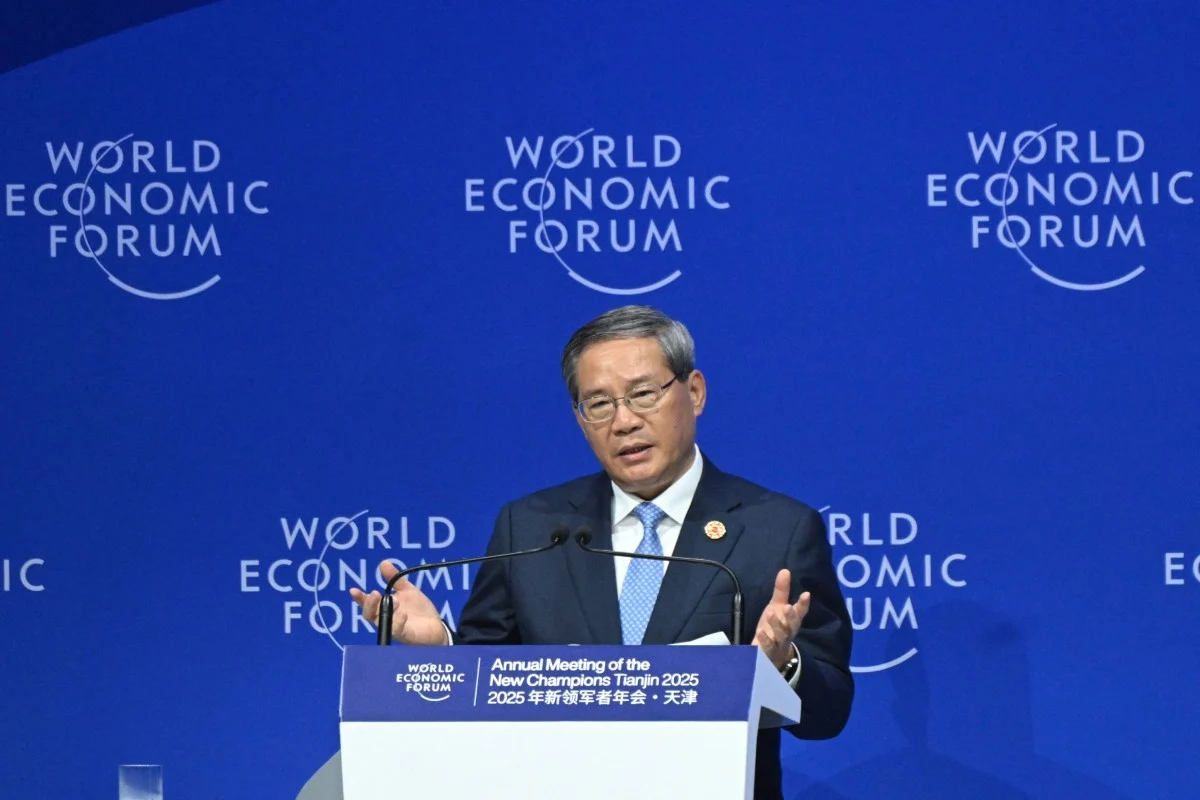
China’s Premier Li Qiang recently announced at the World Economic Forum in Tianjin that the country will shift its focus from exports and manufacturing to boosting consumer spending to keep its economy growing.
This move comes as China faces slower global demand, trade tensions with the United States, and the need for new sources of growth. The Chinese government has set a growth target of about 5% for 2025 and claims the economy grew 5.4% in the first quarter.
China’s leaders want more people to spend money at home on goods and services. They have started policies to support jobs and raise incomes, hoping this will help the economy rely less on exports.
This shift is not easy. Many Chinese families save a lot because of worries about healthcare and pensions, and the financial system still favors big industrial projects over household spending.
International organizations like the International Monetary Fund have called for reforms to strengthen social safety nets and encourage people to spend more confidently.
The trade imbalance with the United States adds pressure. In 2024, China exported $439 billion in goods to the US and imported $144 billion, leaving a trade gap of nearly $300 billion.
The US, especially under President Trump, has pushed for China to buy more American products and open its markets, using tariffs and other measures to protect US industries.
China’s push to boost consumer spending marks a major change in its economic strategy. The outcome will affect not only China but also global businesses and economies.
If China succeeds, it could mean steadier growth and more opportunities for companies worldwide. If not, the world’s second-largest economy could face slower growth and continued trade tensions.
This article was produced by The Rio Times’ automated newsroom system. How we use AI · Report an error
Read More from The Rio Times