China has taken a significant step to attract foreign capital into its stock market. Regulators have lowered entry barriers for overseas investors to buy into Chinese listed companies. This move aims to boost the yuan-denominated A-share market and increase its global appeal.
The new rules, effective December 2, 2024, reduce capital requirements for foreign investors. The threshold for proprietary assets drops from $100 million to $50 million, while managed assets requirements decrease from $500 million to $300 million. For the first time, individuals meeting these criteria can make strategic investments in A-share firms.
Additionally, the mandatory holding period for foreign strategic investors has been shortened from three years to 12 months. These changes reflect China’s ongoing efforts to liberalize its financial markets while maintaining some control.
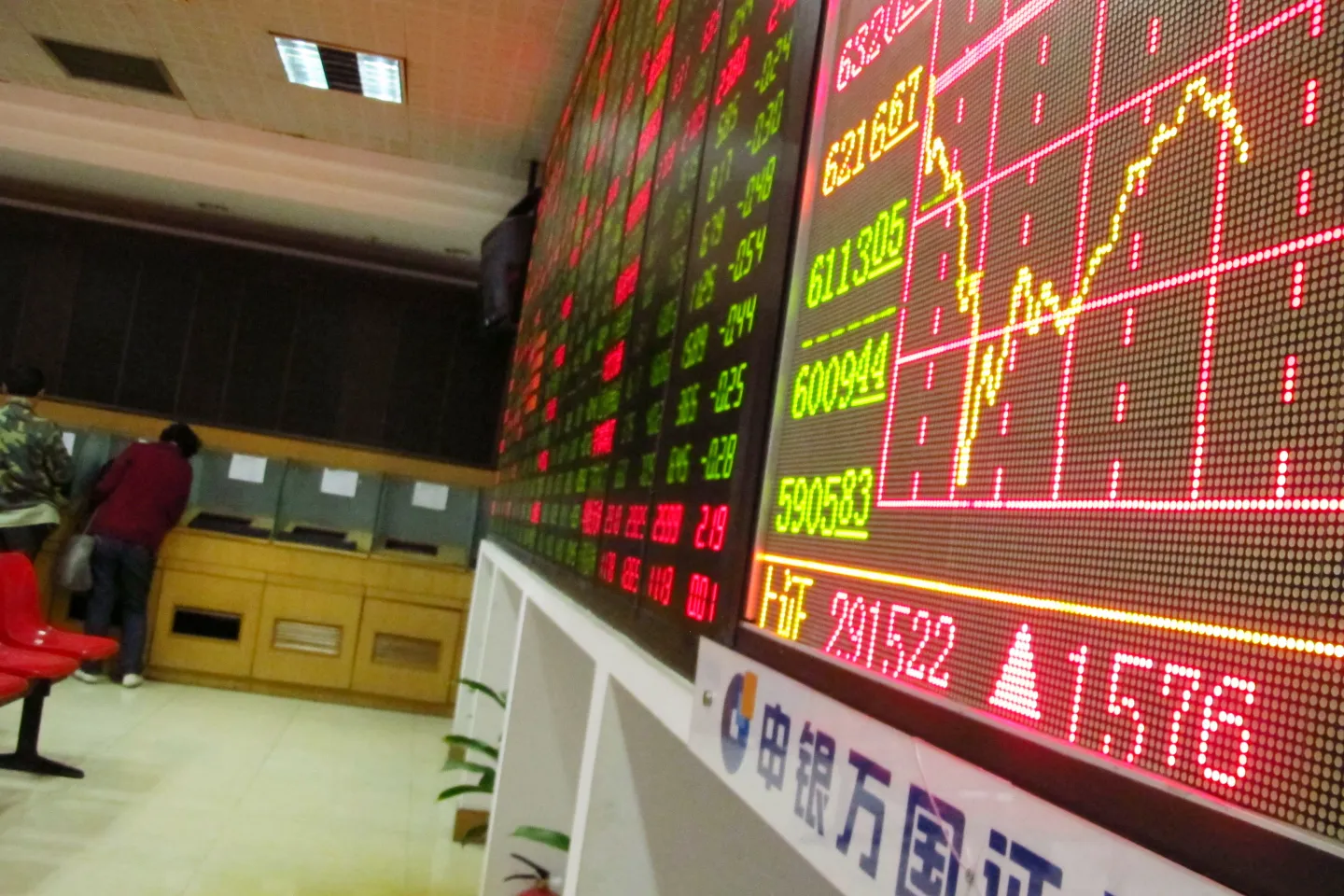
The timing is notable, as China’s A-share market has recently added $4 trillion in value since September 2024, largely due to government stimulus measures. However, challenges remain. The yuan is not fully convertible under the capital account, limiting direct access to A-shares for most foreign investors.
China Eases Foreign Investment Rules for A-Shares
The government’s approach includes other market interventions, such as reducing stamp duties and restricting short selling. These actions aim to stabilize the market but highlight the government’s strong influence on market dynamics.
Foreign investors must navigate a complex regulatory environment, with rules issued by multiple government agencies. The easing of investment rules could bring more stability and liquidity to the market and potentially improve corporate governance.
China’s Central Bank Launches 500 Billion Yuan Swap Line to Revive Chinese Stocks
For global investors, these changes offer new opportunities for portfolio diversification. However, they must weigh these opportunities against potential risks, including policy changes and market volatility.
The success of these measures will depend on various factors, including global economic conditions, geopolitical tensions, and China’s domestic policies. As China continues to open its markets, it faces the challenge of balancing control and liberalization. These recent changes mark another step in China’s ongoing journey of economic reform and global integration.
This article was produced by The Rio Times’ automated newsroom system. How we use AI · Report an error
Read More from The Rio Times