Chile Merges 25 Social Programmes Into Nine After Kast Vowed No Cuts
Key Facts
Chile’s government says it is tidying up a crowded shelf of overlapping social programmes. Its critics say the tidying is where the spending cuts begin.
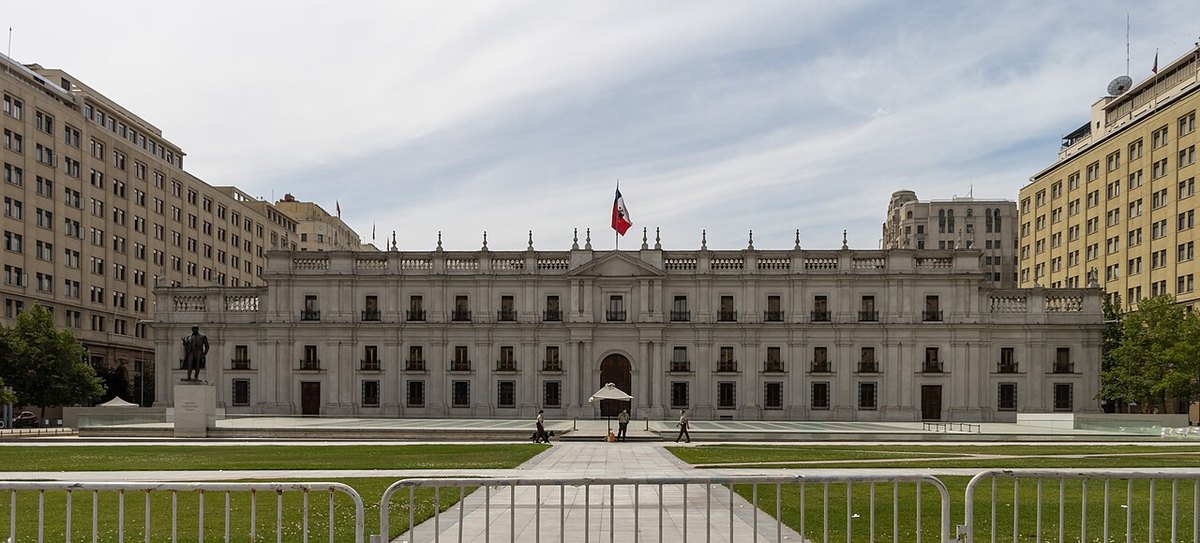
Chile’s social evaluation office and its budget directorate discontinued 25 social programmes on 25 September. The programmes will be folded into nine new ones in the 2027 budget, The Clinic and BioBioChile reported.
Why This Matters
Chile is drafting the first budget of a government elected on a promise of austerity. President José Antonio Kast, a right-wing lawyer, took office in March 2026 after winning the December runoff.
His finance ministry has been chasing a fiscal adjustment of about US$6 billion over eighteen months. Reaching that number without touching social benefits was always going to be arithmetically hard.
The state runs 677 monitored programmes across 23 ministries. Roughly seven in ten of those programmes are classified as social, CNN Chile reported.
Every one of them has a constituency, a staff and a line in the budget law. Merging them is the least visible way to reduce their number.
For a foreign reader, this is the moment abstract austerity meets named services. Scholarships for students in Patagonia, tsunami drills and indigenous development funds are all on the list.
The bill goes to Congress by 30 September, where Kast does not command an outright majority. How this first batch is received will shape the harder fights that follow.
What Was Actually Decided
The decision came from the Subsecretaría de Evaluación Social, the social evaluation office inside the social development ministry. It works with Dipres, the budget directorate that drafts the annual spending bill.
Together they run an ex-ante review that grades every programme before it enters the budget. For 2027 the review covered 46 programmes from 22 institutions across 11 ministries.
Forty-three received a favourable recommendation, BioBioChile reported from the published results. Three were objected to on technical grounds and are the ones most at risk.
The office has not published which three programmes drew the technical objection. Separately, 25 existing programmes were discontinued as standalone lines and merged into nine.
The office said the aim was to cut fragmentation and remove duplicated objectives. It also reported problems in how beneficiaries are selected and how results are measured.
The evaluation itself was shortened from 88 working days to 39. The assessment questionnaire fell from 164 questions to 65.
Which Programmes Disappear as Separate Lines
Three regional scholarship schemes run by the school aid agency Junaeb become one Patagonia scholarship. They are the Aysén, Patagonia Aysén and Magallanes grants, all aimed at students in the far south.
Two national reading and writing plans merge into a single literacy programme. The digital public library and the Bibliomás lending service merge into one reading-frequency programme.
Two youth orchestra programmes run by the FOJI foundation become a single national orchestra scheme. Three culture ministry lines supporting traditional artisans merge into one commercial sustainability programme.
Four primary health care promotion programmes become a single scheme called Más Salud en Comunidad. Three disability support programmes from the agency Senadis merge into one independent-living service.
Four intervention lines run by Conadi, the indigenous development agency, become one indigenous development fund. Two emergency drills run by Senapred merge into a programme called Chile Preparado.
One covered coastal evacuation, the other volcanic eruption evacuation. The nine successor programmes keep their stated purposes, at least on paper.
This Is Not the Pension Fight, Though It Rhymes
Readers should not confuse this with the separate argument over Chile’s universal pension. That row concerns the PGU, the guaranteed pension paid to about 2.2 million older Chileans.
The Rio Times reported in May on plans to trim that benefit by 15%. The PGU costs roughly US$6.2 billion a year, Diario Financiero reported this week.
It is a cash transfer, and reducing it would cut money reaching households directly. The 25 programmes discontinued now are services and grants, not a universal benefit.
The government is also auditing PGU eligibility across agencies as part of a drive against benefit fraud. The two tracks are separate decisions that land in the same budget bill.
The Promise Made on the Campaign Trail
During televised campaign debates, Kast was asked how he would make his fiscal plan add up. “We are not going to cut any social benefit that exists today,” he said.
He gave that answer while defending an adjustment then valued at about US$6 billion. In April 2026 the finance ministry circulated a list of programmes it proposed to drop.
El Mostrador reported the document sought savings of more than US$5.4 billion for 2027. It covered 15 education programmes, 24 health programmes and several security schemes.
The investigative outlet Ciper later reported that 402 programmes were affected in total. The government has disputed the framing rather than the existence of the review.
The Government’s Defence
Ministers reject the word cuts and prefer the word order. Gabriel Ugarte, the social evaluation subsecretary, said efficiency had improved without losing technical rigour.
He pointed to faster evaluations and new data-sharing tools that cross-check beneficiary records. Finance Minister Jorge Quiroz put the government’s answer directly to CNN Chile.
“It is not a budget of cuts, it is one of measured spending expansion,” he said. Quiroz has capped real spending growth at 1%, measured against what 2026 actually spent.
He listed health, public works, security and defence as the priorities inside that limit. Budget director José Pablo Gómez has pushed a parallel argument about permanent spending.
He told Diario Financiero that a legislated programme must carry its staff and equipment with it. The ministry says about US$2 billion of permanent cuts made this year will carry into 2027.
The Opposition’s Case
Left-wing legislators have treated the merger as the opening move of a larger retreat. Senator Daniella Cicardini, of the Socialist Party, attacked the April proposals on school meals.
She said taking food from Chile’s poorest children to fund tax relief for the very rich was cruel. Deputy Jaime Araya, an independent close to the PPD, focused on the security programmes.
He warned the plan would end the Calle Sin Violencia policing scheme and break up organised-crime teams. Opposition deputies pushed earlier this year for a parliamentary inquiry into the review, CNN Chile reported.
The think tank Rumbo Colectivo, linked to the left-wing Frente Amplio, published its own audit on 21 September. It found four ministries received more money despite the instruction to cut, Diario Financiero reported.
Interior gained about 213.4 billion pesos (about US$222 million) and health about 298 billion pesos (about US$311 million). The report said 72% of the reductions, some 706.4 billion pesos (about US$736 million), fell on investment rather than running costs.
The Money and the Calendar
Peso figures here use the Banco Central de Chile observed rate of 959.39 pesos per US dollar on 24 September 2026. No budget total has been published for the 25 discontinued programmes.
That absence is the weakest point in both cases; nobody can say whether the merger saves money or renames it. The wider adjustment target remains about US$6 billion across eighteen months.
The 2027 bill must reach Congress by 30 September under Chile’s budget calendar. Congress then has 60 days to approve it or the executive version becomes law.
Chile’s fiscal rule and its credit ratings hang over the negotiation. Quiroz has said the rating agencies have backed the government’s consolidation path.
What It Means If You Live, Work or Invest in Chile
Families using the merged services should expect new programme names and new application rules. The ministries say entitlements continue, but transition arrangements have not been published.
Students in Aysén and Magallanes will apply to one scholarship instead of three. Contractors and non-profits delivering these programmes face renegotiated agreements for 2027.
Investors should read the 1% spending ceiling as the number that matters for the fiscal path. The political risk sits in Congress, where the opposition controls enough votes to force changes.
Foreign residents claiming benefits should check whether their programme has been renamed. Anyone following Chilean assets should watch the budget vote rather than the programme list.
What Is Not Yet Known
The peso amount attached to the 25 discontinued programmes has not been published. It is not known whether any beneficiary will lose an entitlement in the merger.
The fate of the three technically objected programmes has not been decided. No figure has been given for staff affected inside the delivering agencies.
The government has not said whether further programmes will be merged before the bill is filed. It is unclear how the PGU audit will change who qualifies for the pension.
Congress has not signalled which budget headings it intends to reject. Whether the 1% ceiling survives the parliamentary process is an open question.
Frequently Asked Questions
What did Chile’s government decide about social programmes?
It discontinued 25 social programmes and merged them into nine for the 2027 budget. The decision came from the social evaluation office and the budget directorate.
Did President Kast promise not to cut social benefits?
Yes. In televised campaign debates he said he would not cut any social benefit that exists today.
Is this the same as the universal pension cut?
No. The PGU pension is a separate cash benefit and a separate decision, though both land in the 2027 budget.
How much money does the merger save?
No figure has been published for the 25 programmes. The wider adjustment target is about US$6 billion over eighteen months.
Sources: The Clinic, government discontinues 25 social programmes, The Clinic, what the 25 programmes do, BioBioChile, 25 programmes reduced to nine, CNN Chile, evaluation figures and official comment, CNN Chile, Quiroz on a measured expansion of spending, Diario Financiero, benefit fraud and permanent spending, Diario Financiero, opposition audit of the 2027 adjustment, El Mostrador, the April proposal and the campaign pledges, El Ciudadano, campaign promise against the programme cuts, CNN Chile, opposition deputies seek an inquiry, SII, Banco Central observed dollar table for 2026
This article was produced by The Rio Times’ automated newsroom system. How we use AI · Report an error
In depth
Read More from The Rio Times