Chaos by Design: Trump’s Economic Storm and Its Possible Blueprint
(Analysis) Picture the scene: tariffs cascade across borders, striking allies and adversaries with equal ferocity; the stock market pitches like a ship caught in a tempest; the once-indomitable dollar falters under mounting strain.
To most, this is Donald Trump unleashed—a volatile force dragging America, and perhaps the world, toward economic calamity.
Wall Street wails, foreign leaders bristle, the public recoils, and the narrative hardens: this is chaos incarnate—a one-man wrecking ball smashing decades of prosperity.
But what if there’s more beneath the surface? What if this turbulence isn’t reckless destruction but deliberate upheaval—a calculated dismantling that sets the stage for something greater?
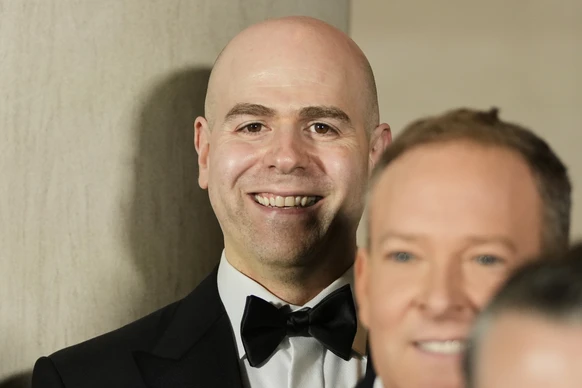
Step back for a moment. A tantalizing possibility emerges. Behind Trump’s bombast lies a cadre of sharp minds—Scott Bessent, his newly minted Treasury Secretary, and Stephen Miran, his chief economic strategist—quietly crafting a vision to reimagine America’s place in the global order.
Their writings suggest ambition—not retreat but resurgence. A weaker dollar that still commands global trade. A revitalized industrial heartland humming with steel and ships. A nation poised to reclaim the greatness Trump so often invokes.
Far from plunging America into ruin, this could be a daring gambit to make it truly great again—if it succeeds.

The Minds at Work
Consider the masterminds behind this storm. Scott Bessent isn’t your typical Washington insider; he’s a hedge fund titan who helped George Soros topple the Bank of England in 1992.
A former Yale lecturer in economic history, Bessent combines market acumen with an eye for power’s ebb and flow.
Stephen Miran brings his own intellectual firepower—a Harvard PhD and hedge fund strategist whose November 2024 paper, A User’s Guide to Restructuring the Global Trading System, has sparked intrigue across Wall Street.
The 41-page manifesto argues that America’s industrial decline stems from an overvalued dollar—a currency so strong it priced factories out of business, shrinking manufacturing from 28% of GDP in the 1950s to just 10% today.
Miran’s ideas are provocative: tariffs as leverage, currency deals to tilt global scales, even fees on foreign dollar reserves.
Wall Street has taken note; Yahoo Finance dubbed his paper a potential playbook for Trump’s team.
Miran himself calls it “options,” not doctrine. Their shared obsession? Deindustrialization—the slow bleed that hollowed out America’s Midwest and fueled Trump’s 2024 victory.
Vice President J.D. Vance paints it starkly: one Beijing firm builds more ships annually than all U.S. yards have since World War II.
For Bessent and Miran, this isn’t just about jobs—it’s existential. A great America needs factories that churn out steel and ships, not just stocks traded on Wall Street.
A Pattern in the Chaos?
So what might their strategy entail? One theory suggests they’re deploying tariff chaos as an opening salvo—disrupting markets to force nations into trade negotiations.
This could lead to reciprocal tariffs that level the playing field or even a “Mar-a-Lago Accord”—a pact where countries peg their currencies to the dollar, making U.S. goods cheaper abroad while reigniting domestic manufacturing.
Hints abound. Bessent has spoken of “green, yellow, and red buckets”—a triage system where allies enjoy low tariffs and protection while rivals face exclusion.
The dollar’s DXY index has dipped 3% since January 2025 as tariffs bite. Stocks slid 5% in March, yet the dollar remains central to global trade—oil is still priced in greenbacks.
Miran himself once suggested tariffs could set up currency moves later—a notion that today’s turmoil might be less collapse than lever.
The Greatness Equation
What does “greatness” mean here? Imagine a seesaw: a strong dollar boosts America’s purchasing power—cheap imports and military dominance—but crushes factories by making exports too costly abroad.
Deindustrialization has left America lean on tanks or ships for crises. A weaker dollar could reverse this—spurring exports and jobs—but only if it retains its crown as the world’s reserve currency.
Most economists say you can’t have both: weaken the dollar too much, and its dominance slips away. Bessent and Miran seem to disagree.
They may envision a deal where allied nations—Japan, the U.K —peg their currencies to the dollar in exchange for U.S. protection, creating a web of dependency akin to tenants funding their landlord’s empire.
It’s audacious—and precarious. Critics warn that destabilizing the dollar risks financial panic; banks and oil markets loathe uncertainty. Major trade partners like China or Mexico may balk without trust forged through alliances or crises.
History offers cautionary tales—the tariff wars of the 1930s plunged economies into depression. Yet Miran counters: America remains indispensable as a market; “they’ve only got the United States to sell to.” If he’s right, pain could force concessions.
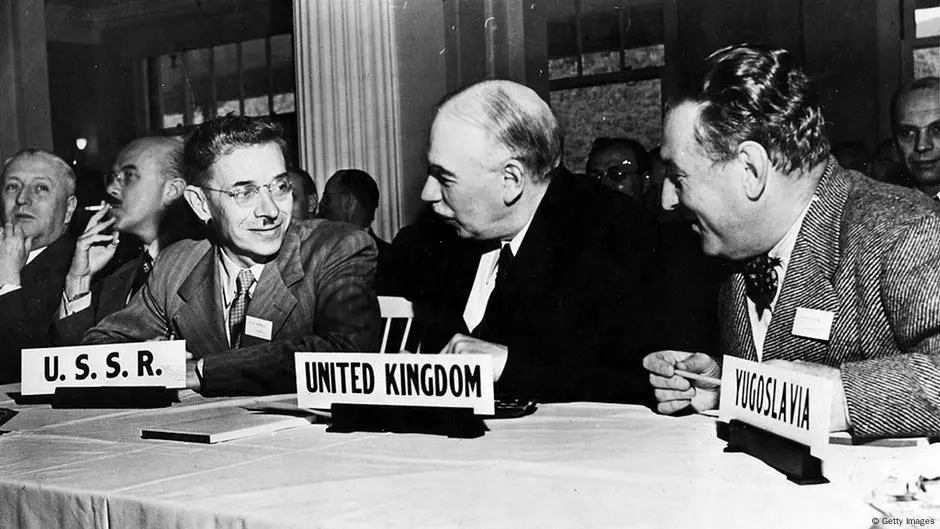
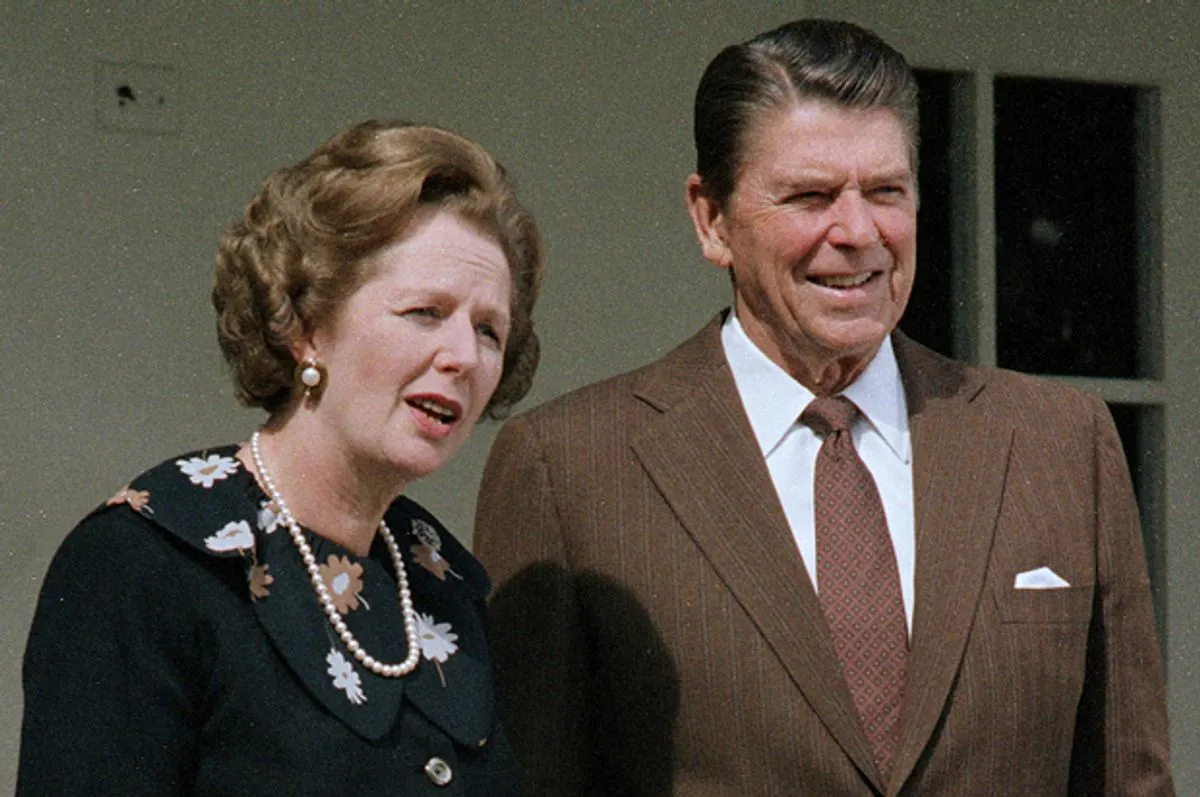
And it recalls moments when America rewrote the rules before: Bretton Woods in 1944, tying money to the dollar for a postwar boom; Reagan’s 1980s free-market push, amplifying U.S. wealth. Could this be another pivot?
A Gamble Worth Watching
This isn’t certainty—it’s hypothesis wrapped in risk. If Bessent and Miran are indeed steering Trump’s policies, they’re gambling on unmaking an aging system to forge one where America builds anew rather than borrows endlessly.
Success could cement U.S. supremacy for decades—a manufacturing powerhouse with a still-dominant dollar. Failure might fracture markets, alienate allies, and accelerate decline.
The storm rages now; whether it clears to reveal a master plan or mere wreckage remains unseen.
But dismissing it as madness risks missing something profound: there may very well be design in this chaos—and perhaps even greatness waiting in its wake.
Read More from The Rio Times