Carlo Slim’s Grupo Carso and Pemex Join Forces for Lakach Gas Project
Carlos Slim’s Grupo Carso, controlled by the billionaire himself, recently signed a deal with Pemex to revive the Lakach natural gas project.
Interestingly, this partnership replaces New Fortress Energy, which withdrew last year.
Notably, Grupo Carso will commit over $1.2 billion to the venture. Meanwhile, Pemex maintains ownership of the field along with its vast gas reserves.
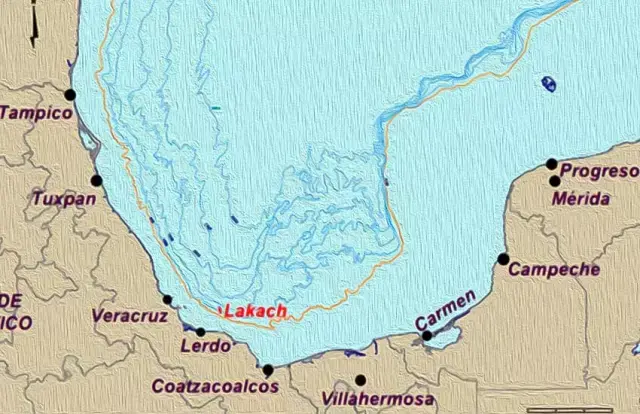
In the Gulf of Mexico, the Lakach field is over 1,500 meters deep with 847.9 billion cubic feet of recoverable gas.
Grupo Carso will build an onshore gas processing station, expecting production in two and a half years.
Originally launched in 2006, the Lakach project encountered obstacles, including soaring costs and fierce competition from U.S. shale gas.
By 2016, after Pemex had invested over $1 billion, the project was paused. Furthermore, this revival aims to curb Mexico’s growing reliance on imported natural gas.
From over 6,000 million cubic feet per day in 2010, domestic production dwindled to 4,900 million cubic feet by the close of 2023.
President Andrés Manuel López Obrador champions this alliance as pivotal for bolstering Mexico’s energy security.
Moreover, this collaboration not only underscores the utilization of domestic resources but also marks a significant stride in enhancing Mexico’s energy independence.
Slim’s substantial stakes in Mexico’s energy sector, including other oil fields, play a crucial role in reinvigorating the Lakach project.
Carlo Slim’s Grupo Carso and Pemex Join Forces for Lakach Gas Project
Also, this partnership promises to substantially augment Mexico’s natural gas output. Thus, it reduces the necessity for imports and fortifies the national energy framework.
The Lakach project, a potential start of deepwater gas in Mexico, has Pemex seeking more partners for development. Grupo Carso and Pemex’s union aims to boost Mexico’s gas production.
This is essential for energy security and economic growth through better infrastructure and local resource use.
More: Mexico news in English, every day from The Rio Times.
This article was produced by The Rio Times’ automated newsroom system. How we use AI · Report an error · Editorial responsibility: Matthias Camenzind, Editor-in-Chief