Brazil’s Top Court Lets Night-Time Home Confinement Count Toward January 8 Sentences
Brazil · Politics
Key Facts
- —The ruling On August 6, 2026, the Supreme Federal Court let time under night-time home confinement with electronic monitoring count toward January 8 sentences.
- —Detração Brazilian law lets time already spent in custody be subtracted from the final sentence.
- —The twist The majority also credited time the defendant spent under a form of home confinement.
- —A close vote Justice Alexandre de Moraes, who allowed only 59 days, was outvoted by his colleagues.
- —The effect Nominal sentences do not shrink, but some convicts may progress or finish them sooner.
A narrow, technical point about counting days has landed in the middle of Brazil’s most sensitive prosecutions. The ruling also handed a rare defeat to the justice overseeing the cases.
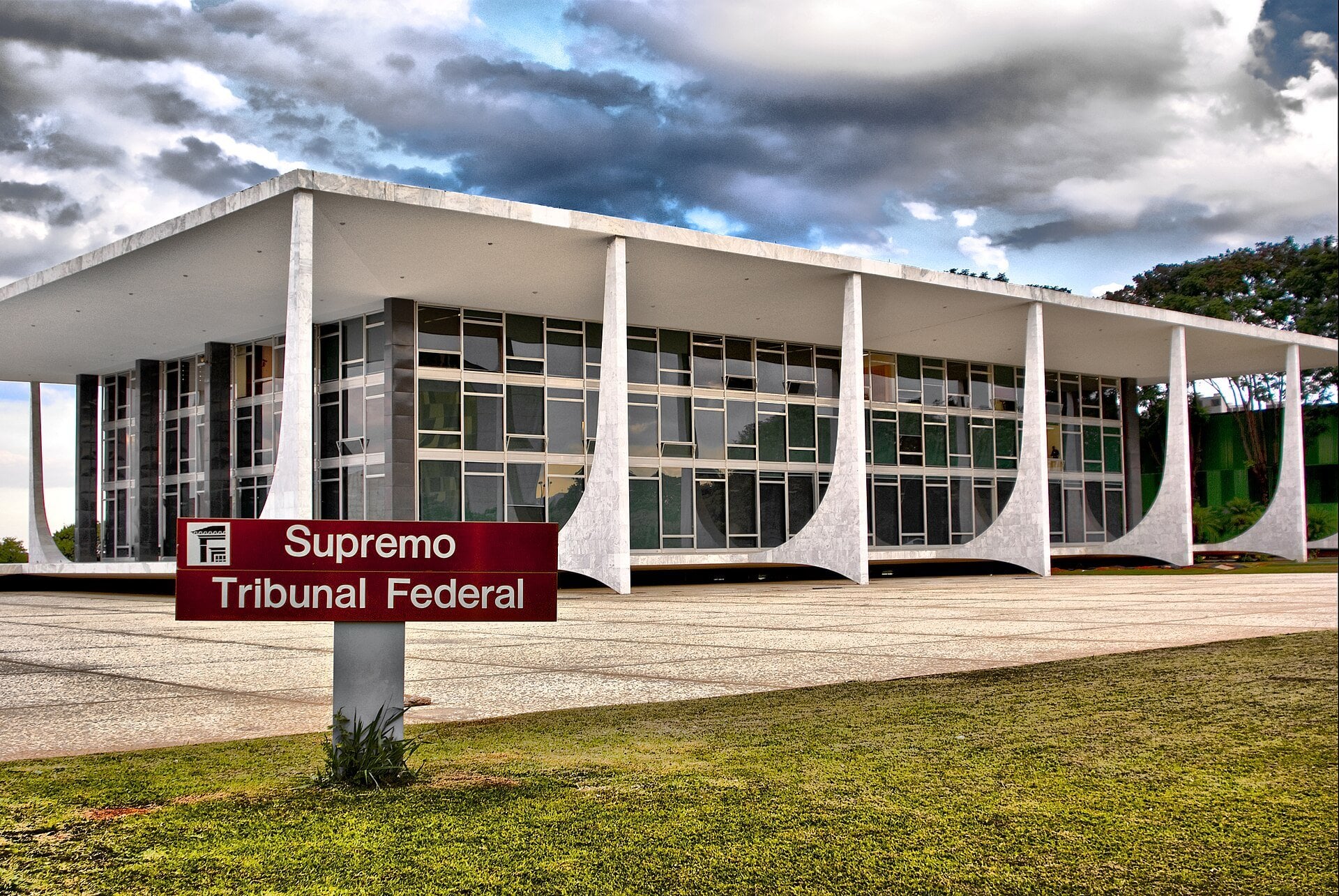
Brazil’s Supreme Court says time in pretrial detention can count toward sentences from the January 8, 2023 attacks. The justices reached the decision on August 6, 2026, and also let some restrictions short of jail count as served.
What the Court Decided
Brazil’s Supreme Federal Court, known as the STF, ruled on Thursday, August 6, 2026 on a sentencing question. It concerned a person convicted over the January 8, 2023 attacks in Brasília.
The court confirmed that time already spent in detention is subtracted from the final sentence. That principle is standard in Brazilian criminal law.
The majority then went a step further than expected. It also credited time the defendant had spent under a form of home confinement.
What Detração Means in Plain Terms
Brazilian law calls this crediting of time detração penal. In plain terms, it means days already served come off the sentence.
The idea itself is simple and widely accepted. A person should not have to serve the same period twice.
The dispute is rarely about whether detração exists. It is about which kinds of detention should count.
The Pretrial Detention Question
The clearest case for credit is pretrial detention. That is time held in custody before a conviction becomes final.
Everyone on the bench agreed this time should count. The reporting justice recognized 59 days of it, from 9 January to 8 March 2023.
The harder question was a different one. Should restrictions short of a prison cell also count.
A Split on the Bench
The reporting justice in the case was Alexandre de Moraes. He oversees the January 8 cases at the court.
He argued that only the formal detention should count. In his view, the law did not stretch to other measures.
A majority of his colleagues disagreed. They voted to credit the wider period as well, outvoting him.
What Happened on January 8, 2023
On Sunday, January 8, 2023, crowds stormed Brazil’s seat of power in Brasília. They targeted Congress, the Planalto presidential palace and the Supreme Court itself.
The protesters were supporters of former president Jair Bolsonaro. They rejected the election that returned Luiz Inácio Lula da Silva to power.
The buildings were ransacked and their contents damaged. The events are widely described as an attack on Brazil’s democratic institutions.
The Charges and the Sentences
Prosecutors brought a range of serious charges. They included armed criminal association and damaging protected public property.
The gravest counts touched the democratic order itself. They covered the violent abolition of the rule of law and an attempted coup.
Many of the resulting sentences run to several years. Small adjustments in counted time can still matter within them.
What Changes in Practice
The ruling does not shorten anyone’s nominal sentence. The headline number of years stays the same.
What changes is the calculation of time left to serve. More credited days mean less time still owed.
That can move the dates that matter in the prison system. Progression to a lighter regime, or release, can arrive sooner.
Who Could Benefit
The decision arose in one individual case. But Brazilian courts often treat such rulings as guidance for similar ones.
Other January 8 defendants held under comparable conditions may cite it. Each request is still judged on its own facts.
The available reports do not give a firm count of those affected. The number depends on each person’s detention history.
The Wider Debate
The ruling drew immediate political attention. Some read it as easing the position of January 8 defendants.
Those who favor a strict line warned of leniency. Others framed it as ordinary criminal law applied evenly.
The court’s task was narrower than the politics around it. It was deciding how existing rules apply to detention time.
What to Watch Next
The broader principle is still being settled. The court has a separate, general case on whether home confinement counts.
How lower courts apply the ruling will matter. They will weigh individual requests case by case.
For now, the precedent stands as decided. Its real reach will show up in the months ahead.
Frequently Asked Questions
What did Brazil’s Supreme Court decide?
It ruled that time in pretrial detention counts toward sentences from the January 8, 2023 attacks. The majority also credited time under a form of home confinement.
What does detração mean?
Detração is the crediting of time already spent in detention against the final sentence. In plain terms, days already served come off the total.
Does this shorten the sentences?
No, the nominal sentence stays the same. It changes how much time still counts as owed, so some may finish sooner.
Who was outvoted on the ruling?
Justice Alexandre de Moraes, who oversees the January 8 cases, took the narrower view. A majority of his colleagues credited the wider period instead.
Sources: Migalhas, SBT News, O Globo, UOL, Supreme Federal Court (STF).
This article was drafted with automated assistance and reviewed before publication. How we use AI · Report an error
Read More from The Rio Times