Brazil’s Sequoia Logistics Fights for Survival: Extrajudicial Recovery Plan Unveiled
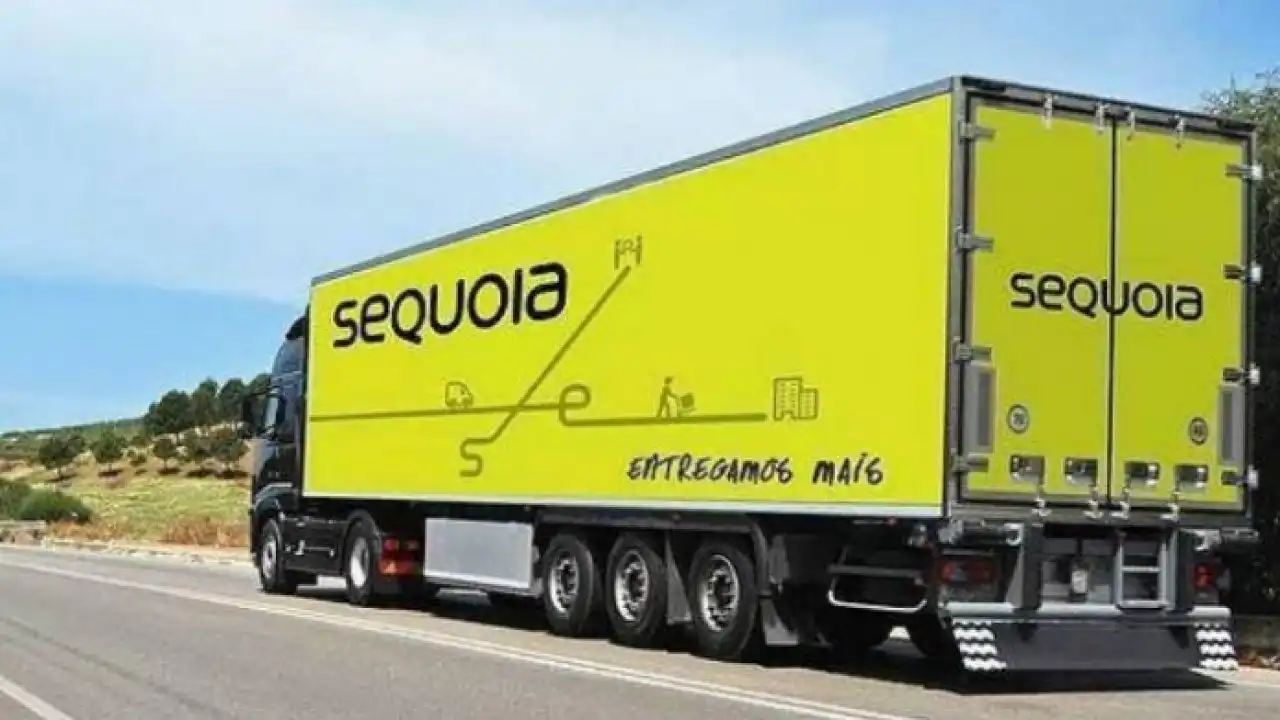
Sequoia Logistics (SEQL3), a Brazilian transportation and logistics company, is taking decisive action to address its financial challenges by unveiling an extrajudicial recovery plan.
This plan aims to renegotiate R$295 million ($52.7 million) in non-financial debts, following a successful debt restructuring with banks and debenture holders in December 2023.
Leopoldo Bruggen, Sequoia’s CFO, outlined the company’s strategy: “We’ve successfully restructured our financial debts. Now, we need to reach new agreements with our suppliers and lessors.”
The plan seeks to convert and reprofile credits from contracts with suppliers, service providers, and warehouse lessors. Sequoia’s recovery plan offers creditors five repayment options.
The first option allows for full conversion of debts into Sequoia shares at R$8.00 per share, a 78% premium over current market prices, capped at R$110 million ($19.6 million).
Other options include extended payment terms, debt discounts, and immediate cash payments under varying conditions.
Notably, the plan excludes several debt categories, such as bank loans, debentures, labor-related obligations, and debts from Sequoia’s recent merger with Move3 Group.
Sequoia’s Restructuring Efforts
The company assures that this process will not adversely affect customers or employees, as it primarily involves inactive creditors.
Sequoia’s financial difficulties are attributed to several factors: a post-pandemic slowdown in Brazil’s e-commerce sector, high interest rates, and China’s economic instability.
These challenges have severely impacted Sequoia’s stock price, which has plunged 98% since its 2020 IPO. Currently, the company’s market value has dwindled to R$100 million ($17.9 million) on the B3 stock exchange.
In 2024 alone, Sequoia’s shares have fallen by 54%, prompting a reverse stock split to avoid penny stock status. For the recovery plan to succeed, Sequoia needs approval from at least 60% of affected creditors and court homologation.
Additionally, the company must secure waivers from debenture holders to prevent early maturity of those commitments. Shareholders will vote on the plan at an extraordinary general meeting on November 4, 2024.
Despite these hurdles, Sequoia‘s management remains cautiously optimistic, viewing the crisis as “fully surmountable” with proper restructuring. They see this process as crucial for normalizing operations with suppliers and lessors.
As Sequoia navigates these turbulent waters, its survival amid Brazil’s economic headwinds is at stake. The success of this debt restructuring effort will determine its future.
More: Brazil news in English, every day from The Rio Times.
This article was produced by The Rio Times’ automated newsroom system. How we use AI · Report an error
LatAm Markets: Live Signals → — real-time movers, turnover leaders and FX across Latin America.
Read More from The Rio Times