Brazil’s Environmental Dilemma: Oil Auction After COP28
Brazil’s auction of over 600 oil and gas exploration blocks has sparked a complex debate.
This decision came just after the COP28 climate summit, where Brazil committed to reducing fossil fuel dependency.
However, the auction has been met with criticism for potentially contradicting these environmental commitments.
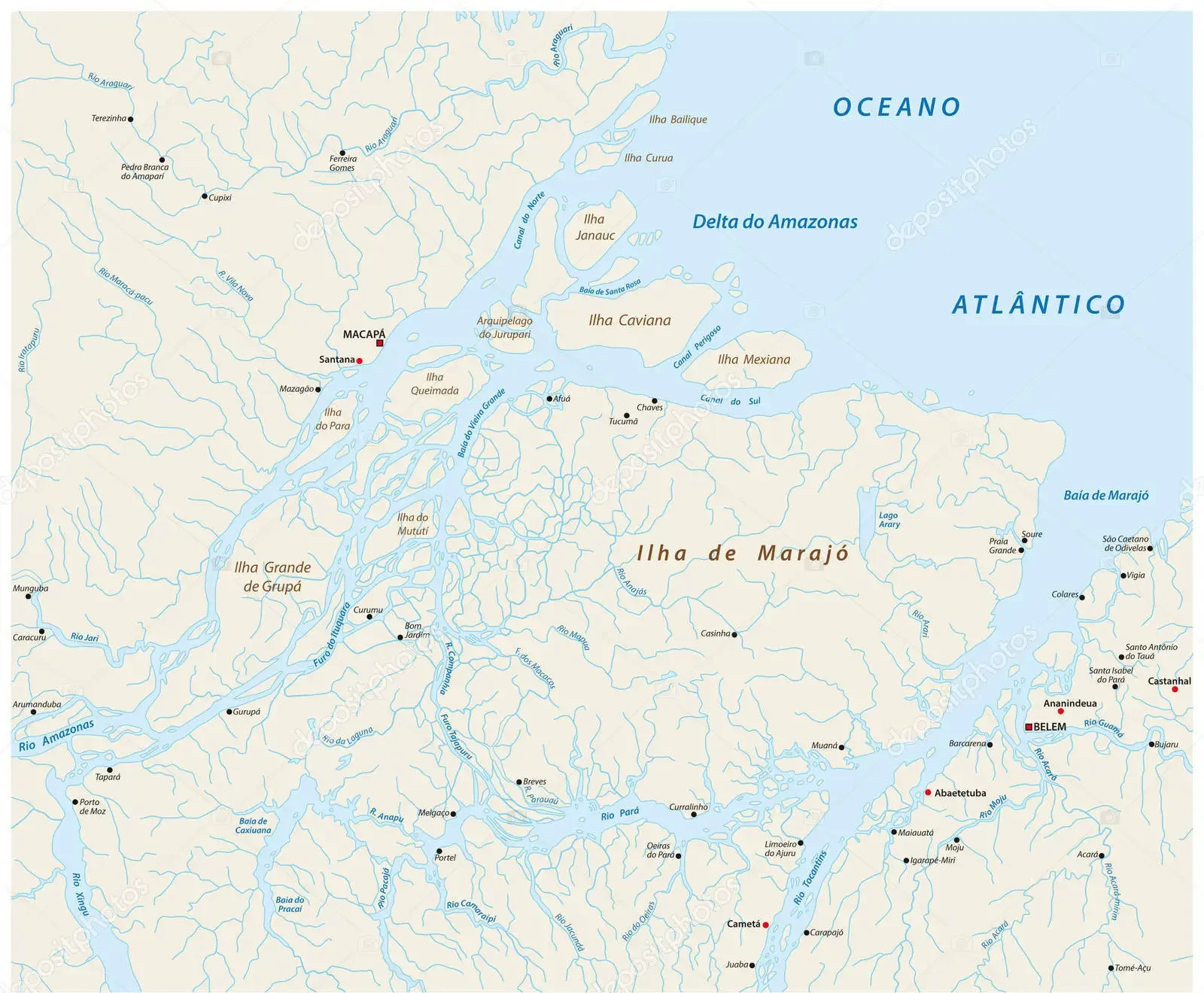
Environmental organizations and indigenous leaders have protested this move. They argue that it poses risks to the Amazon River Basin’s biodiversity and indigenous territories.
The controversy lies in the auction’s overlap with protected areas, raising questions about Brazil’s adherence to environmental standards.
The Brazilian government’s simultaneous celebration of fossil fuel reduction commitments and conduct of the oil auction presents a conflict.
This situation highlights the tension between economic growth and environmental sustainability.
It also puts a spotlight on the need to balance natural resource management with global climate obligations.
The auction’s economic benefits are clear, as it aims to boost Brazil’s energy sector.
Yet, the environmental risks are significant, particularly for indigenous communities near the exploration sites.
Past incidents, like the 2016 oil spill in the Brazilian Amazon, illustrate the potential consequences of such activities.
Brazil’s approach to energy policy is crucial as it seeks to achieve climate neutrality by 2050.
The government’s future actions will be key in balancing economic interests with environmental protection and social responsibility.
For a more comprehensive understanding of Brazil’s post-COP28 oil and gas auction and its implications, it is recommended to explore detailed reports and analyses from various sources.
These can provide deeper insights into the complexities of Brazil’s environmental and economic policies.
More: Brazil news in English, every day from The Rio Times.
Live Market IntelligenceBrazil — Live Market Board
Rio Times · Live Market Intelligence
Brazil — Live Market Board
-1.04%
206,887.52
-1.04%
67,147.36
+0.60%
11,020.01
-0.21%
2,869,151
+1.45%
2,570.34
+1.55%
60,645.95
-0.22%
| Instrument | Last | Change | YoY | Prev. | High | Low | Volume |
|---|---|---|---|---|---|---|---|
| IBOV | 206,887.52 | -1.04% | +21.85% | 209,066.90 | 168,310 | 167,142 | — |
| USD/BRL | 5.16 | +0.01% | -5.13% | 5.16 | 5.18 | 5.14 | — |
| SELIC | 14.00% | — | — | — | — | — | |
| PETR4 | 41.64 | -0.05% | +35.19% | 41.66 | 41.97 | 41.15 | 41,499,400 |
| VALE3 | 72.97 | +0.83% | +30.75% | 72.37 | 73.54 | 72.66 | 17,658,000 |
| ITUB4 | 38.60 | -1.03% | +4.57% | 39.00 | 39.34 | 38.39 | 29,487,800 |
| BBDC4 | 16.85 | +0.36% | +3.50% | 16.79 | 16.90 | 16.67 | 19,416,900 |
| BBAS3 | 19.37 | +0.47% | +0.73% | 19.28 | 19.44 | 19.16 | 11,069,200 |
| B3SA3 | 14.26 | -0.21% | +12.73% | 14.29 | 14.47 | 14.11 | 33,037,800 |
| ABEV3 | 14.89 | -0.80% | +21.91% | 15.01 | 15.07 | 14.81 | 16,453,100 |
| WEGE3 | 47.59 | +0.49% | +29.99% | 47.36 | 48.08 | 47.36 | 3,364,600 |
| PRIO3 | 59.14 | -0.19% | +50.67% | 59.25 | 59.81 | 58.74 | 3,325,600 |
| SUZB3 | 41.33 | +2.35% | -23.55% | 40.38 | 41.48 | 40.35 | 3,914,900 |
| RENT3 | 34.68 | -0.09% | +0.84% | 34.71 | 34.96 | 34.35 | 7,979,100 |
| AZZA3 | 15.89 | -2.63% | -53.76% | 16.32 | 16.42 | 15.82 | 1,330,300 |
| CSNA3 | 4.30 | +0.47% | -42.65% | 4.28 | 4.41 | 4.26 | 10,076,100 |
| GGBR4 | 24.69 | +2.19% | +51.38% | 24.16 | 24.85 | 24.18 | 7,047,600 |
| ENEV3 | 24.21 | -1.38% | +70.49% | 24.55 | 24.64 | 23.99 | 9,297,000 |
This article was produced by The Rio Times’ automated newsroom system. How we use AI · Report an error · Editorial responsibility: Matthias Camenzind, Editor-in-Chief