Brazil’s 1.4% Q1 2025 Growth Clashes With Debt Surge to 76.2% of GDP
Brazil’s economy grew 1.4% in the first quarter of 2025, driven by a historic 12.2% agricultural boom that offset industrial stagnation.
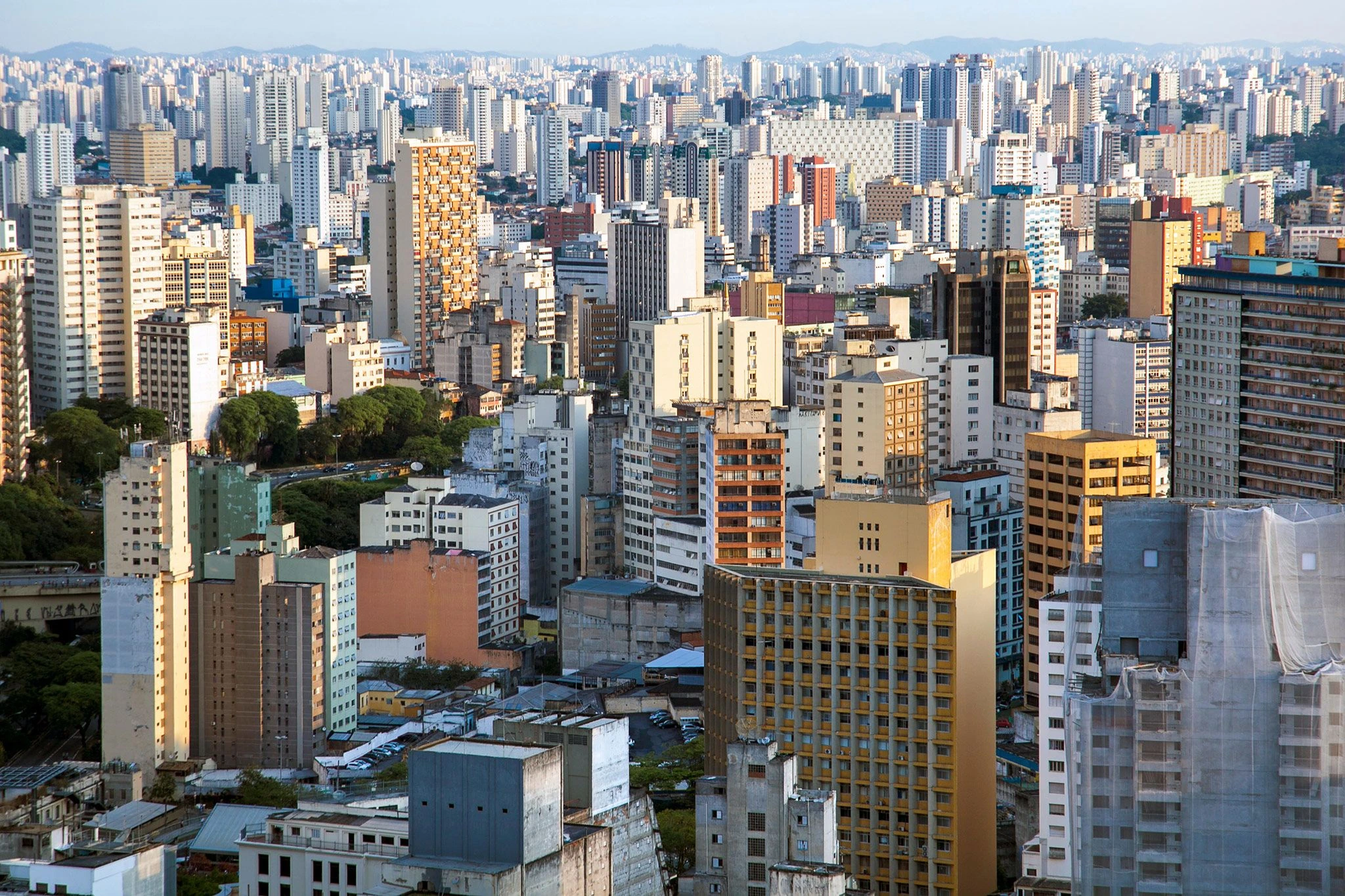
Brazil’s economy grew 1.4% in the first quarter of 2025, driven by a historic 12.2% agricultural boom that offset industrial stagnation, according to the Brazilian Institute of Geography and Statistics (IBGE).
The agricultural sector’s record soybean and cotton harvests propelled growth, while industry contracted 0.1% and services inched up 0.3%.
Household consumption rose 2.7%, though high borrowing costs at 14.75% constrained spending power and credit access.
Federal public debt reached 7.617 trillion reais ($1.33 trillion) in April 2025, pushing gross debt to 76.2% of GDP—a figure the IMF warns could hit 92% by year-end.
Interest payments alone consume 7.76% of annual economic output, diverting funds from public services.
The central government reported a 17.8 billion reais primary surplus in April, exceeding forecasts, while the broader public sector posted a 14.15 billion reais surplus.
Tax revenues and oil dividends drove improvements, but 1.365 trillion reais in debt maturing within a year threatens refinancing stability.
Inflation eased to 0.36% in mid-May 2025, the lowest monthly rate since 2020, though the 12-month figure remains elevated at 5.4%.
Industrial output showed volatility: March’s 1.2% monthly gain contrasted with Q1’s overall 0.1% decline, as chemical and food processing sectors lagged.
Brazil’s 1.4% Q1 2025 Growth Clashes With Debt Surge to 76.2% of GDP
The fourth quarter of 2024 saw revised growth of just 0.1%, down from 0.2%, capping a year of 3.4% GDP expansion.
The services sector, accounting for 70% of GDP, grew 0.3% quarterly but faces pressure from tight credit conditions.
Transportation services rose 1.7% in March, while professional and family-oriented services gained 0.6% and 1.5%, respectively.
Regional disparities emerged: São Paulo’s 3.5% growth offset Rio Grande do Sul’s 11% plunge amid local economic strains.
Brazil Faces Growing Fiscal Debt Load, Rises 1.44% in April 2025
Policymakers confront dual challenges: sustaining agriculture’s momentum while managing debt dynamics.
The 2025 soybean harvest added 11% to agricultural production value, reaching 1.41 trillion reais.
Yet industrial stagnation persists, with machinery and petroleum sectors posting modest gains insufficient to counter broader declines.
Economists project 2025 growth between 2.2% and 2.5%, revised upward from 1.8%, but the IMF forecasts a slowdown to 2% amid global uncertainty.
Fiscal targets hinge on disciplined spending, with a 0.25% GDP surplus goal by 2026 requiring stable tax inflows.
The real’s recent strength reduced external debt to 306.13 billion reais, but debt costs threaten currency stability.
Unemployment risks loom in rate-sensitive sectors like construction, while 5.4% inflation strains household budgets.
As 2026 elections approach, Brazil’s economic resilience faces a stress test: balancing growth fueled by commodity exports against structural reforms needed to stabilize debt.
With 19 states showing economic expansion and 8 in decline, regional inequities underscore the fragility of recovery.
The Treasury’s warning of interest payments consuming 1 of every 13 reais in GDP highlights the urgency for fiscal discipline—a task complicated by political pressures and global market volatility.
More: Brazil news in English, every day from The Rio Times.
This article was produced by The Rio Times’ automated newsroom system. How we use AI · Report an error
LatAm Markets: Live Signals → — real-time movers, turnover leaders and FX across Latin America.