Brazilian Cities Turn to Tourist Entry Fees to Balance Business and Environmental Protection
Brazilian cities and natural destinations have started charging tourists entry fees, aiming to balance economic interests with environmental preservation.
This trend, confirmed by local government sources and official regulations, reflects a pragmatic response to the pressures that mass tourism places on infrastructure and fragile ecosystems.
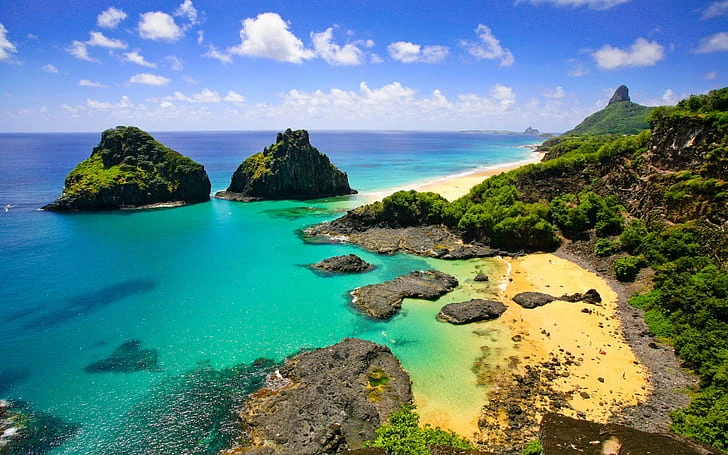
Fernando de Noronha, an island 350 kilometers off Brazil’s northeast coast, stands as the most prominent example. Authorities there charge a daily environmental preservation fee of R$97.16 per person in 2024, which tourists must pay before leaving the airport.
The island also limits visitor numbers to about 11,000 per month, or 132,000 annually, to protect its unique marine and terrestrial habitats. To access the Marine National Park, visitors pay an additional fee of R$179 for Brazilians.
For foreigners, the fee is R$358, and both are valid for ten days. These funds directly support conservation, waste management, and infrastructure maintenance. Other destinations across Brazil have followed suit, each tailoring fees to their local needs and visitor profiles.
Morro de São Paulo in Bahia charges R$30 per visitor for a 30-day period, exempting children under five and seniors over sixty. Jericoacoara in Ceará requires a R$41.50 payment for a ten-day stay, with an additional R$4.50 for each extra day.
Abrolhos, another protected archipelago, sets different rates: R$52 for Brazilians, R$104 for foreigners, and R$10 for local residents. These fees fund park maintenance and help manage the influx of tourists.
Balancing Revenue and Sustainability
Mainland cities have introduced similar measures. Ubatuba in São Paulo charges vehicles between R$3.50 and R$92 per day, depending on type. Bombinhas in Santa Catarina imposes a seasonal fee, ranging from R$4 for motorcycles to R$175.50 for buses, collected only during peak months.
Caldas Novas, a popular resort town, recently implemented a fee structure starting at R$4.50 for motorcycles. The fees reach up to R$183 ($30) for buses, with rates valid for a week.
Municipalities justify these fees as essential for maintaining public services and protecting natural assets. The funds support waste collection, beach cleaning, infrastructure upgrades, and environmental education.
In Fernando de Noronha, authorities have invested in advanced waste recycling and strict plastic reduction policies. These efforts have set a national standard for sustainable tourism.
The business rationale behind these charges is clear. Local governments see tourism as a vital revenue stream but recognize that unchecked growth can erode the very assets that attract visitors.
By charging entry fees, cities aim to ensure that tourism remains profitable without degrading natural or cultural resources.
Brazil’s approach reflects a broader global trend, as seen in places like Venice, where similar entry fees target overtourism. For Brazil, these measures represent a practical, market-driven strategy to align tourism with long-term sustainability and economic stability.
| City/Region | Type of Fee | Amount (2024/2025) | Who Pays / Exemptions | Use of Funds |
|---|---|---|---|---|
| Fernando de Noronha | Per person, per day | R$ 92.89 to R$ 6,550.33 ($1092) | Residents, workers exempt | Environmental preservation, public works |
| Morro de São Paulo | Per visitor, 30 days | R$ 30 | Children <5, seniors >60 exempt | Local infrastructure, conservation |
| Jericoacoara | Per visitor, 10 days | R$ 41.50 | None specified | Environmental projects |
| Abrolhos | Per visitor | R$ 52 (BR), R$ 104 (foreigners) | Locals: R$ 10 | Park maintenance, conservation |
| Ubatuba | Per vehicle, per day | R$ 3.50–R$ 92 | None specified | Environmental protection |
| Bombinhas | Per vehicle, high season | R$ 4–R$ 175.50 | None specified | Public sanitation, beach maintenance |
| Caldas Novas | Per vehicle, 7 days | R$ 4.50–R$ 183 | None specified | Infrastructure, environmental care |
More: Brazil news in English, every day from The Rio Times.
This article was drafted with automated assistance and reviewed before publication. How we use AI · Report an error · Editorial responsibility: Matthias Camenzind, Editor-in-Chief