Brazilian Bank BTG Pactual Opens Its Securitization Platform to Rivals
Brazil · Finance
Key Facts
—New Infrastructure Play By letting rivals use its BSec system, BTG acts as a market utility, earning fees from transaction volume rather than just its own asset management.
—Broader Access to Credit Third-party managers can now convert illiquid receivables into tradeable securities, unlocking new funding sources for Brazilian companies.
—Risk Transfer Mechanism The platform allows originators to move credit risk off their balance sheets and onto institutional investors seeking diversified, long-term returns.
—Regulatory Tailwinds Brazil’s securitization framework is designed to increase legal certainty for investors, making this asset class safer for foreign capital.
—Liquidity for Projects Automating the packaging of receivables helps infrastructure and real estate firms anticipate cash flow sooner to finance growth.
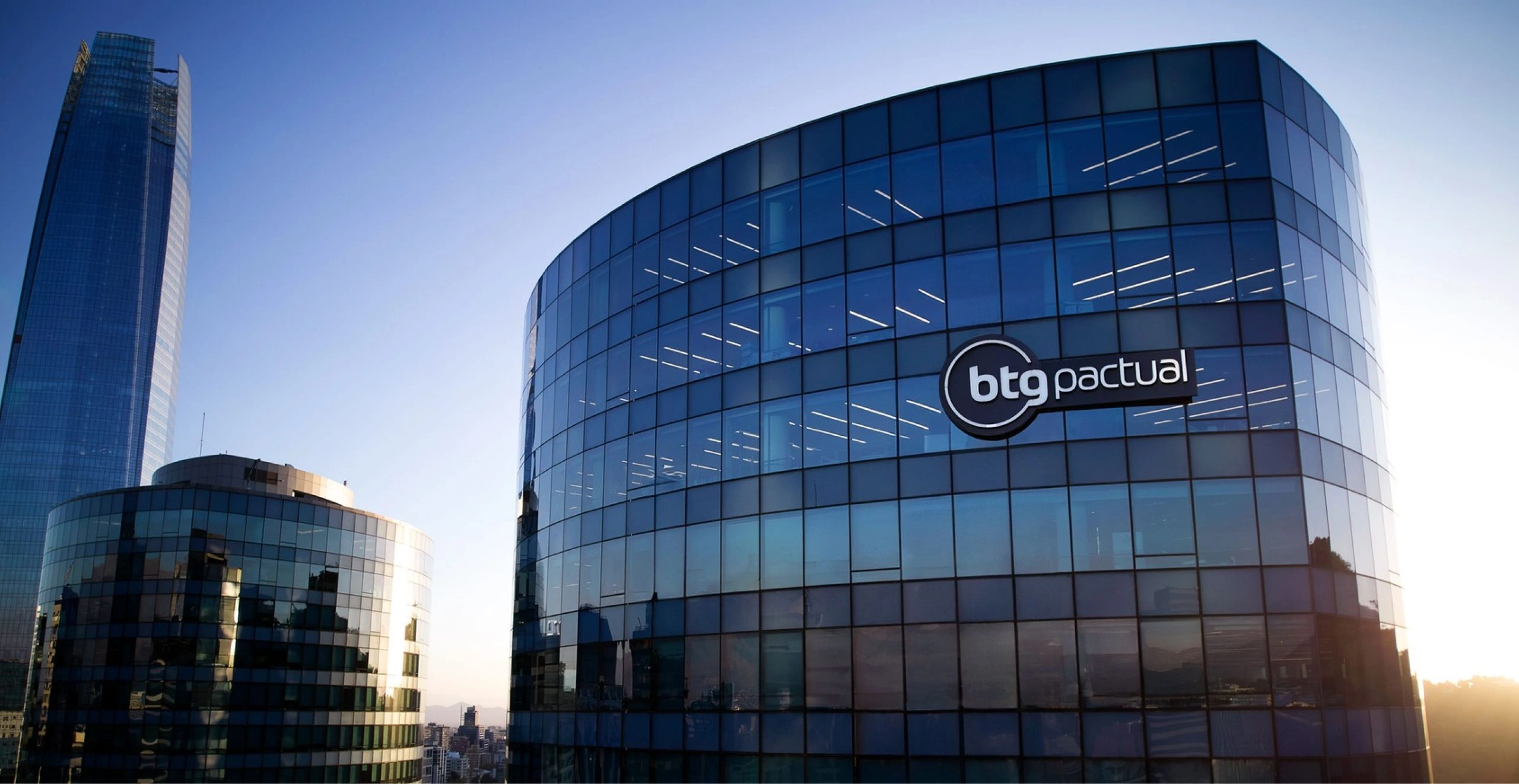
BTG Pactual opens its BSec securitization platform to competing asset managers, transforming proprietary technology into a new business line that serves the broader market.
What Securitization Means in Plain Terms
Securitization is the process of grouping debts or future receivables and converting them into standardized, tradeable securities. In simple terms, a company takes money it is owed—such as rent payments, credit-card slips, or loan installments—and sells that right to collect those payments to investors in the form of a bond.
The company gets cash sooner to finance operations, while investors buy the securities and receive interest payments as the underlying debts are paid off. In Brazil, these instruments are often called certificados de recebíveis, and ANBIMA describes them as a way for firms to anticipate cash flow without taking on a traditional bank loan.
To understand why this matters, think of a construction firm that has signed a contract to receive payments over five years. Instead of waiting, it can sell that future income stream today through a securitization platform, using the proceeds to start a new project immediately.
The investor who buys the security essentially steps into the shoes of the construction firm, collecting those scheduled payments plus interest over time.
The Business Model Shift: Becoming a Platform Operator
Historically, a large bank might build sophisticated securitization software only for its own deals. By opening BSec to rival managers, BTG Pactual turns its in-house technology into a shared market infrastructure, earning recurring service fees rather than capturing all the trading margin on its own book.
This strategy positions BTG as a neutral provider of the plumbing for Brazil’s capital markets. Rival asset managers upload their credit portfolios, structure the securities, and sell them to investors through BSec, while BTG monitors compliance and settlement. The move mirrors global trends where investment banks spin off proprietary tools into independent platforms.
For BTG, the economics shift from episodic deal fees to a steadier stream of platform usage charges. Every time a competitor structures a new security or settles a payment cycle, BTG earns a small cut.
Over time, as more managers join and transaction volumes grow, those small cuts can compound into a meaningful, predictable revenue line that is less sensitive to the ups and downs of BTG’s own trading desk.
Live Company IntelligenceBanco BTG Pactual S.A. — the full investor dossier
Valuation & profitability
Price & risk
$46.1752-wk high
$84.58
Revenue trend · 6y
Ownership
Dividend
Why Brazil’s Securitization Market Is Growing
Brazil has pushed for a modern securitization framework to broaden financing channels beyond traditional bank lending. The regulatory environment aims to increase transparency and legal certainty, making it safer for institutional and foreign investors to buy credit-backed paper without fear of hidden risks.
ANBIMA notes that converting credit rights into securities helps connect savers directly with companies that need funding. For infrastructure, agribusiness, and real estate—sectors where future receivables are predictable but lumpy—this matching of cash flows is particularly valuable.
A deeper securitization market also reduces the economy’s reliance on a handful of large banks. When mid-sized companies can tap capital markets directly by selling their receivables, they gain an alternative to negotiating loan terms with traditional lenders.
That competition can lower borrowing costs across the board, a dynamic that Brazilian policymakers have actively encouraged through successive regulatory updates.
Why This Matters for Investors and Expatriates
When a dominant investment bank opens its proprietary systems to the market, the immediate effect is usually lower transaction costs and standardized documentation. For expats and foreign investors eyeing Brazilian credit, a centralized platform simplifies due diligence because deal structures and reporting formats become uniform.
It also creates a secondary market dynamic. If multiple managers issue securities through BSec, investors gain a larger, more liquid menu of credit-backed assets. That liquidity means an expat holding a real-denominated receivables fund could potentially exit the position more easily, converting local-currency returns back to dollars with less friction than with bespoke private deals.
Standardization also helps with comparison shopping. When every security issued through BSec follows the same reporting template, an investor can more readily compare the credit quality of, say, a pool of agribusiness receivables against a pool of urban real estate rents.
That apples-to-apples clarity is often missing in fragmented, over-the-counter markets where each deal carries its own bespoke legal structure.
Transferring Risk and Unlocking Capital
One core function of securitization is transferring credit risk from the originator to the investor. A bank or fintech that originates loans can package them on BSec, sell the securities, and remove the assets from its balance sheet, freeing up capital to make new loans.
For the asset managers now accessing the platform, this risk transfer allows them to build diversified portfolios of Brazilian credit without having to hire origination teams. They simply select the tranche of risk they want—senior, mezzanine, or equity—and deploy client capital into a specific slice of the country’s receivables market.
The tranche system is worth unpacking. Senior tranches get paid first from the underlying cash flows and carry lower risk, appealing to conservative pension funds.
Mezzanine tranches absorb losses only after the senior layer is wiped out, offering higher yields in exchange for that extra risk. Equity tranches sit at the very bottom, capturing whatever cash remains after all other investors are paid—high potential returns, but also the first to suffer if borrowers default.
BSec’s automation makes it easier for managers to slice a single pool of receivables into these distinct risk buckets, matching each to the appropriate investor appetite.
What to Watch Next
Several open questions will shape how significant this platform opening becomes. One is whether rival asset managers embrace BSec at scale or prefer to build their own proprietary systems to retain full control over deal structuring and data.
The speed of adoption will signal whether the market truly wants a shared utility or sees value in keeping securitization technology in-house.
Another question is how regulators respond as volumes grow. A centralized platform concentrates operational risk in a single technology stack, and supervisors may eventually ask whether BTG’s governance of BSec needs to be ring-fenced from the rest of the bank’s activities to avoid conflicts of interest. The answers to these questions will determine whether BSec becomes the backbone of Brazilian securitization or simply one option among many.
Frequently Asked Questions
What is securitization in simple terms?
It is the process of turning money a company is owed into a paper security that can be sold to investors. The company gets cash up front, and the investor receives payments as the underlying debts are collected.
Why is BTG Pactual opening BSec to competitors?
By serving as a platform operator for rival managers, BTG diversifies its revenue toward recurring service fees and helps build deeper, more liquid securitization markets in Brazil.
Are securitized products in Brazil safe for foreign investors?
Brazil’s regulatory framework is designed to increase transparency and legal certainty. However, like any credit investment, the safety depends on the quality of the underlying receivables and the structure of the security.
Sources: ANBIMA: O que é securitização e como funciona, ANBIMA YouTube: Securitização explicada em animação, JusBrasil: O que significa securitização de créditos, Migalhas: Securitização, entenda o que é, Empiricus: Securitização explicada, Genial Investimentos: Securitização, o que é
Connected Coverage
Brazilian Meat Giant MBRF, the JBS-Marfrig Merger, Lifts Profit 27%
This article was produced by The Rio Times’ automated newsroom system. How we use AI · Report an error · Editorial responsibility: Matthias Camenzind, Editor-in-Chief
LatAm Markets: Live Signals → — real-time movers, turnover leaders and FX across Latin America.